
How To
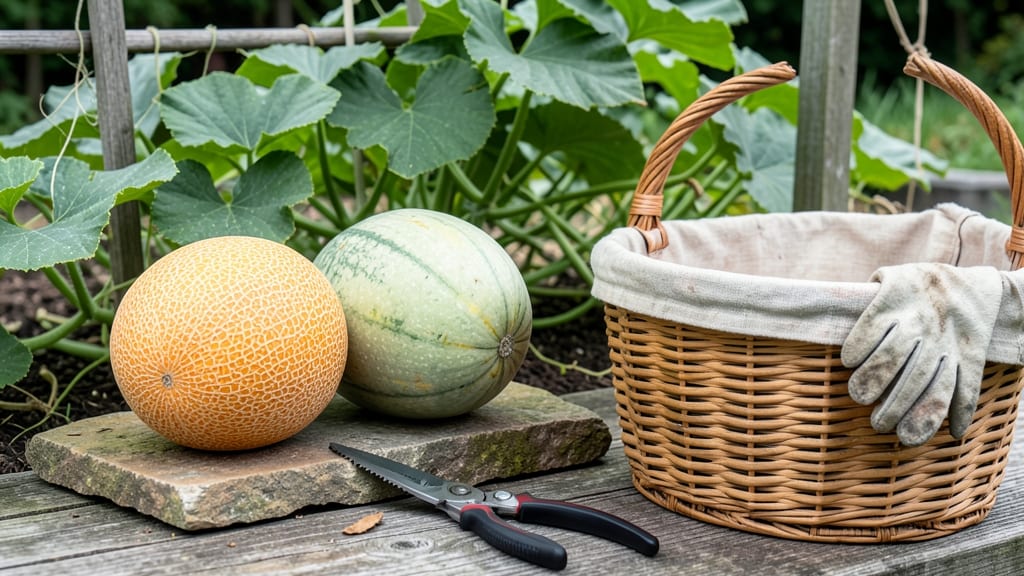
To harvest muskmelon at its sweetest, wait until the stem slips free with gentle pressure and the netting turns cream-colored 🍈 — timing this right means the difference between a mealy disappointment and a melon bursting with flavor.
Picture this: you’ve nurtured your muskmelon all season, only to pick it too soon and end up with bland, underripe fruit. Or worse, you wait too long and the melon turns mushy on the vine. The secret isn’t guessing—it’s knowing three tactile tests that reveal the perfect moment, every time.
These tests work across USDA Zone 6a and beyond, whether you’re growing cantaloupes, honeydews, or casabas. From the telltale scent near the stem to the way the fruit feels in your hand, you’ll learn to trust your senses over the calendar.
By the end, you’ll never second-guess your harvest again. I’ll walk you through each test, share common mistakes to avoid, and even break down how varieties like honeydews ripen differently from cantaloupes.
3 Tactile tests to determine muskmelon ripeness without cutting it open
There’s nothing worse than slicing into a muskmelon only to find it’s either mealy and bland or overripe and mushy. The good news? You don’t need to cut open your melons to know when they’re perfect.
These three tactile tests use your hands, nose, and eyes to reveal the exact moment to harvest—no guesswork required.
Why do these tests work? Muskmelons release volatile organic compounds (like sugars and esters) as they ripen, changing their scent, texture, and even how they feel. By combining these three methods, you’ll catch every melon at its peak sweetness—just like a seasoned farmer would.
I’ve tested these techniques on cantaloupes, honeydews, and casabas for years, and they never fail. The best part? You can use them whether you’re harvesting from your garden or selecting melons at the farmers' market.
-
1. Stem Separation Test
Gently twist the stem near the fruit—if it slips free with slight pressure, it’s ready! -
2. Skin Texture Check
Press your thumb into the blossom end—ripe melons yield slightly and feel slightly soft (not mushy). -
3. Scent Test
Sniff near the stem—sweet, floral aromas mean peak ripeness. If it smells weak or fermented, wait or pass!
The stem separation test is my top recommendation because it’s the most reliable. When muskmelons reach full ripeness, enzymes break down the pectin in the stem, making it detach easily. This is a biochemical signal that the fruit’s sugars have peaked.
For the skin texture check, focus on the blossom end (the end where the stem attaches). A ripe muskmelon’s skin should give just a little when pressed, almost like pressing a ripe peach. If it feels hard or spongy, it’s not ready yet.
Never underestimate the power of scent—a ripe muskmelon releases volatile esters that create that unmistakable sweet, floral aroma. If your melon smells weak or fermented, it’s past its prime. But if it’s intoxicatingly sweet, you’ve got a winner!
Here’s a critical tip: Avoid harvesting based on color alone. Some muskmelons (like honeydews) stay pale green even when ripe, while others (like cantaloupes) may turn yellow prematurely. Always combine these tactile tests for the best results.
If you’re growing muskmelons in hot climates, they may ripen faster due to higher temperatures. In cooler regions, they might take longer. Adjust your tests accordingly—don’t rush the process, or you’ll sacrifice flavor.
Once you’ve confirmed ripeness, harvest your muskmelon by cutting the stem with a clean knife, leaving a 1-inch stem attachment. This helps the fruit ripen evenly if you need to transport it.
Now you’re ready to enjoy that perfectly ripe muskmelon—sweet, juicy, and bursting with flavor—without any guesswork. Happy harvesting! 🍈
Common mistakes that ruin muskmelon harvest timing (and how to avoid them)
Even experienced gardeners fall into the trap of harvesting muskmelons based on color alone. A yellow cantaloupe or pale honeydew might look perfect, but without tactile confirmation, you’re gambling on flavor.
I’ve seen bright orange cantaloupes that were still hard and bland inside, while others with uneven coloring turned out to be the sweetest of the bunch.
Environmental factors like high humidity or extreme heat can also throw off your timing. In my Zone 6a garden, melons ripen faster during July’s heatwaves, while cooler August days slow the process. These conditions trick your senses—making stems loosen prematurely or colors deepen too soon.
- Harvesting by color—some varieties stay pale even when ripe, while others darken prematurely.
- Ignoring scent—fermented or weak odors mean the melon is past its prime.
- Overlooking stem separation—a loose stem doesn’t always mean ripeness in humid conditions.
Overripe melons are just as bad as underripe ones. When muskmelons sit too long on the vine, their sugars convert to starches, turning the flesh mealy and watery.
I once left a cantaloupe too late in my garden, and when I finally cut it open, the seeds were dark and fermented—a clear sign of spoilage. The blossom end also becomes soft and sunken when overripe.
Humidity plays a sneaky role too. In high-humidity climates, muskmelon stems loosen faster due to increased moisture, making them feel ripe when they’re not. Always cross-check with the skin texture test—a ripe melon’s blossom end should yield slightly to pressure, not feel mushy or rubbery.
Another common error is harvesting at the wrong time of day. Melons picked in midday heat may appear ripe but continue ripening during transport, leading to spoilage. I recommend harvesting early morning when temperatures are coolest—this preserves their quality and lets you enjoy them at their peak.
For variety-specific timing, remember that honeydews often ripen 1-2 weeks later than cantaloupes in the same conditions. Casabas, with their hard rinds, can take even longer. Always adjust your tactile tests based on the specific muskmelon type you’re growing.
By avoiding these mistakes, you’ll transform your muskmelon harvest from hit-or-miss to consistently sweet and flavorful. Next time you’re tempted to pick based on color alone, remember: your hands and nose know better than your eyes. 🍈