
How To
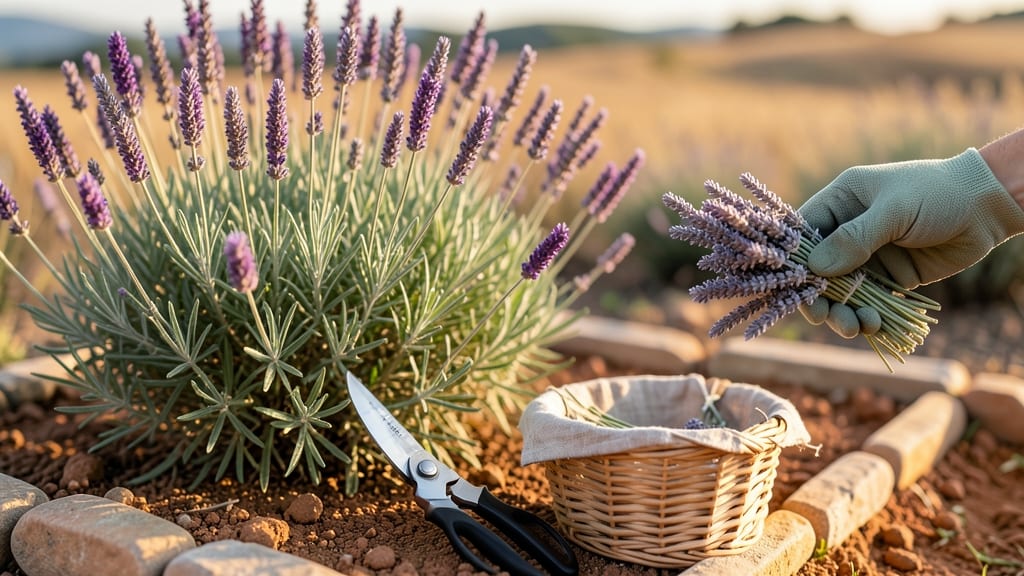
Harvest lavender when the buds turn purple and brush off easily—this is the sweet spot for the strongest fragrance and oil content.
Picture this: you’ve spent months nurturing your 🌸 lavender, and now the moment has arrived. But timing it wrong can mean weak essential oils or wilted stems. The key is catching those buds just before they open fully, when they’re firm and fragrant.
In USDA Zone 6a, mid-to-late summer is prime time, but regional differences matter. A late spring frost or early heatwave can shift your window, so keep an eye on the weather and your plant’s cues.
Below, I’ll walk you through how to spot the perfect harvest moment, from bud color to stem flexibility, plus tips to preserve that luxurious scent for years to come.
How to identify the perfect time to harvest lavender buds
Harvesting lavender at the right moment transforms your garden into a fragrant goldmine. The key lies in watching for visual cues that signal peak oil content and fragrance. When buds turn a deep purple hue and stems feel firm to the touch, you're just days away from an ideal harvest.
Missing these signs can mean weaker essential oils or dried flowers that lose their signature scent.
Seasonal timing also plays a crucial role. Most lavender varieties bloom between mid-June and August, with the exact window depending on your USDA zone and local climate. In cooler regions like Zone 6a, expect blooms to start slightly later, while warmer zones may see earlier harvests.
Understanding these patterns helps you plan ahead for the best possible yield.
Don't rely solely on calendar dates—lavender communicates its readiness through subtle changes. The brush-off test is my favorite trick: gently brush your fingers along a bud. If it releases a cloud of pollen but the flower stays intact, that's your harvest signal.
This simple check saves you from cutting flowers too early or too late, both of which compromise quality.
| Harvest Stage | Bud Color | Stem Condition | Best Time to Cut | Fragrance Strength |
|---|---|---|---|---|
| Too Early | Green buds | Soft, flexible | Avoid | Very weak |
| Ideal Harvest | Deep purple | Woody, firm | Early morning | Strongest |
| Too Late | Open flowers | Softening | Avoid | Weak |
| Overripe | Brown buds | Mushy | Never | None |
Climate considerations can shift your harvest window by weeks. In coastal regions with cooler summers, lavender may bloom later but produce more compact, fragrant buds. Inland areas often see earlier blooms with slightly larger flowers.
Pay attention to your local microclimate—lavender growing near a heat-reflecting wall might bloom weeks ahead of plants in open fields.
Another pro tip: harvest lavender on dry, sunny mornings after the morning dew has evaporated. This timing preserves essential oils and prevents mold during drying. I always check the weather forecast for the next 24 hours—avoid harvesting if rain is predicted, as damp buds can develop fungal issues during storage.
For culinary lavender, aim to harvest buds that are just beginning to open—they'll have the mildest flavor. Essential oil producers, however, prefer fully closed buds with maximum oil content. Knowing your end goal helps you fine-tune your harvest timing for the best results in your specific application.
Regional variations matter too. In USDA Zone 7b and above, you might get two harvests per season, while cooler zones may only see one. Keep a garden journal to track your lavender's blooming patterns year after year.
Over time, you'll develop an intuitive sense for when your specific plants are ready to harvest.
Remember that lavender plants reward patience. Harvesting too frequently can weaken your plants and reduce future yields. I recommend cutting no more than one-third of the plant at a time and allowing at least 6-8 weeks between harvests. This balance ensures your lavender continues producing high-quality buds season after season.
When in doubt, observe the overall plant health. Vibrant green leaves and upright growth indicate a thriving lavender ready for harvest. Yellowing leaves or leggy stems suggest the plant needs rest or proper care before you cut anything.
Your lavender's appearance tells the whole story—learn to read it like a seasoned gardener.
With these visual cues and seasonal considerations in mind, you'll never miss the perfect lavender harvest again. The difference between mediocre and exceptional lavender comes down to timing—so pay attention to what your plants are telling you, and enjoy the rewards of a well-timed harvest! 🌸
Best practices for harvesting lavender without damaging the plant
Once you’ve identified those perfect purple lavender buds, the next step is harvesting them correctly to preserve their fragrance and potency. The right techniques ensure your plant stays healthy and produces more blooms for future harvests.
I’ve learned that cutting at the wrong time or using the wrong tools can stress the plant, leading to fewer flowers next season.
Start by gathering your harvesting tools: sharp pruning shears or clean scissors, a basket or bucket, and a pair of gloves (optional, but helpful for handling prickly stems).
Avoid using dull tools—they can crush stems and reduce oil quality. I always sanitize my shears with rubbing alcohol before each harvest to prevent disease spread.
-
Step 1: Choose the Right Time of Day
Harvest lavender in the early morning after the dew has dried but before the sun gets too intense. This preserves the essential oils and prevents wilting.
-
Step 2: Select the Correct Stems
Cut stems that are woody and firm with purple buds just beginning to open. Avoid stems with open flowers or yellowing leaves.
-
Step 3: Cut at the Right Angle
Use sharp shears to cut just above a leaf node (where new growth emerges). This encourages bushier growth and more blooms next season.
-
Step 4: Bundle and Dry Immediately
Gather stems into small bundles and hang them upside down in a well-ventilated, dry space (like a garage or shed). Avoid direct sunlight to prevent fading.
-
Step 5: Store Properly for Long-Term Use
Once fully dried (usually 2-3 weeks), store lavender in an airtight container away from light. For culinary lavender, keep it whole; for essential oils, crush dried buds before storage.
Harvest lavender 2-3 times per season, spacing cuts about 6-8 weeks apart. This gives your plant time to recover and produces the best-quality buds. I’ve found that over-harvesting can weaken lavender, so resist the urge to take everything at once—patience pays off with stronger fragrance and healthier plants.
After harvesting, give your lavender a light pruning trim to shape the plant and encourage new growth. Remove any dead or diseased stems immediately to keep the plant healthy. In USDA Zone 6a, I prune mine in early spring and again after the final harvest to prep for winter.
Pro tip: If you’re harvesting for essential oils, avoid washing the buds—oils are concentrated on the surface. For culinary lavender, ensure it’s pesticide-free and organic. Always label your stored lavender with the harvest date to track freshness.