
How To
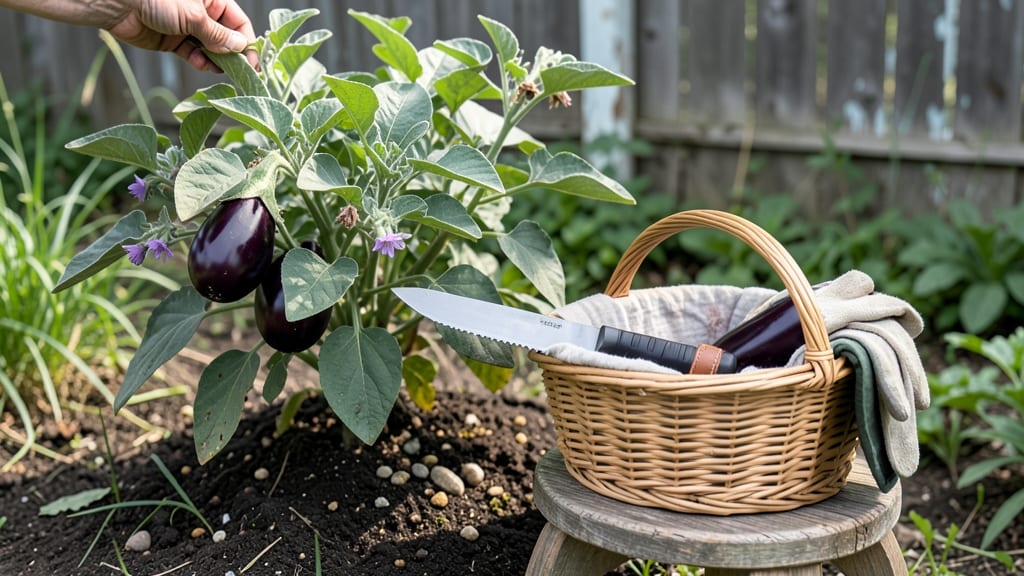
Harvesting Japanese eggplant at the right time transforms your garden into a flavor-packed kitchen staple—when the skin turns deep purple and the flesh stays tender.
Japanese eggplant—with their glossy, deep purple skin and tender flesh—are a gardener’s dream, but timing their harvest wrong can turn your culinary masterpiece into a meal of regret.
Most varieties are ready 80 days after planting, but don’t rely on the calendar alone. Instead, check for firm skin that resists gentle pressure and a length of 3-6 inches, the sweet spot for peak flavor.
In this guide, I’ll walk you through the visual cues, the best tools, and how to handle them post-harvest so you can enjoy that rich, velvety texture in every dish.
Visual and physical signs your Japanese eggplant is ready to harvest
Japanese eggplants reach their peak flavor and texture when harvested at the right moment, but spotting that perfect window can be tricky. Unlike their larger American cousins, these compact, glossy-skinned varieties mature quickly—often in just 60 to 80 days—so timing matters.
The key lies in three simple but critical visual and physical cues: skin color, firmness, and fruit size. Ignore these signs, and you risk harvesting eggplants that are either too bitter or too seedy for ideal cooking.
Start by examining the skin color—ripe Japanese eggplants develop a deep, vibrant purple or black hue, depending on the variety. The skin should also have a glossy, almost waxy finish, not a dull or matte appearance.
This shine indicates the fruit has reached its full moisture content, which directly impacts tenderness. If the skin looks pale or streaky, it’s not ready yet. Even a slight delay in harvesting can mean the difference between a delicate, melt-in-your-mouth texture and a tough, fibrous bite.
Firmness is another non-negotiable indicator. Gently press the eggplant’s skin with your thumb—it should resist slightly but not dent. If it feels soft or squishy, it’s overripe and likely seedy. On the flip side, if it’s rock-hard, it’s underripe and may develop a bitter taste. Think of it like testing a ripe avocado: the right firmness is just yielding enough to know it’s ripe, but not mushy. This tactile check is your best defense against harvesting mistakes.
Don’t overlook the size of your Japanese eggplants—most varieties top out at 3 to 6 inches long. If you’re growing a compact variety like ‘Kurohyou’ or ‘Ichiban,’ they’ll rarely exceed 4 inches. Harvesting before they reach this size means missing out on their full flavor potential.
Pro tip: Use a ruler or measuring tape to track growth if you’re unsure. Once the fruit stops growing and maintains its size for a few days, it’s a clear signal that harvest time is near.
Another pro move? Check the stem attachment point. When your Japanese eggplant is ready, the fruit should stay firmly attached to the stem when you gently twist it. If it detaches easily, it’s not ripe enough.
This trick works especially well for morning harvests, when the fruit is cool and firmest. Avoid harvesting in the heat of the day, as the skin can feel softer than it actually is, leading to premature picking.
Seasonal cues also play a role. In most USDA Zones 6a and warmer, Japanese eggplants typically hit peak ripeness between mid-July and early September. However, if you’re growing in a shorter season, like Zone 5, aim to harvest by late August to avoid the first frost.
Keep an eye on your local first frost date—eggplants won’t tolerate cold, so plan to harvest before temperatures dip below 50°F at night.
One common mistake gardeners make is waiting until the eggplant turns completely black or overly shrunken. While these signs indicate extreme ripeness, they also signal the fruit is past its prime. Overripe Japanese eggplants develop seeds and a bitter taste, making them less enjoyable to eat.
Instead, focus on that deep purple glow and firm texture—those are your golden tickets to a perfect harvest. With practice, you’ll train your eye to spot ripe eggplants in seconds.
Finally, remember that consistent harvesting encourages more production. Japanese eggplants are prolific, and picking ripe fruits regularly prompts the plant to produce new blooms. If you let too many fruits linger on the vine, the plant may shift its energy to seed production, reducing your overall yield.
Aim to harvest every 5 to 7 days once the plant starts flowering, and you’ll enjoy a steady supply of tender, flavorful eggplants all season long.
With these visual and physical cues in mind, you’ll never second-guess whether your Japanese eggplant is ready to pick again. The next time you’re in your garden, take a moment to run your fingers over the skin, check the color, and give it a gentle squeeze.
Your future meals—and your eggplant plants
Best practices for harvesting Japanese eggplant without damaging the plant
Harvesting Japanese eggplant at the right time ensures the best flavor and texture while keeping your plant healthy. The key is to pick them when they're fully mature but still firm—usually 80-100 days after transplanting.
If you harvest too early, the fruit will be bitter and seedy, while waiting too long can make them woody or overly soft. Gentle handling is crucial to avoid bruising the delicate skin, which can attract pests or diseases.
Timing your harvest correctly also depends on the time of day. Morning is ideal because the fruit is cool and firm, making it easier to assess ripeness. Avoid harvesting in the evening when the skin may feel softer due to heat.
Always use a clean, sharp pair of pruning shears or a knife to cut the stem, leaving a small portion attached to the plant to prevent disease entry.
When to Harvest Japanese Eggplant: Step-by-Step
- 1 Check the color: Look for a deep, glossy purple or black skin, depending on the variety. Dull or pale skin means it's not ready.
- 2 Test firmness: Gently press the fruit. If it feels firm and doesn’t dent easily, it’s ready. Soft spots indicate overripeness.
- 3 Measure size: Japanese eggplants typically reach 3-6 inches in length. Smaller fruits may still be bitter or underdeveloped.
- 4 Harvest in the morning: Choose a cool, dry morning to pick your eggplants. This reduces stress on the plant and ensures the best quality.
- 5 Use clean tools: Sterilize your pruning shears or knife with rubbing alcohol to prevent spreading diseases. Cut the stem 1/4 inch above the fruit.
- 6 Harvest regularly: Pick eggplants every 2-3 days during peak production to encourage continuous yield. Overcrowded fruits can stunt new growth.
After harvesting, store your Japanese eggplants in a cool, dry place for up to a week. Avoid refrigerating them, as the cold can turn the flesh mushy. If you notice any yellowing leaves or wilting after harvesting, your plant may need more water or nutrients.
Regular harvesting also encourages the plant to produce more fruit, extending your harvest season.
One common mistake is harvesting too aggressively, which can shock the plant. Always leave some fruits on the plant to mature naturally. If you’re unsure whether an eggplant is ready, err on the side of waiting a few more days.
The goal is to balance yield and quality while keeping your plant healthy for future harvests.
With these techniques, you’ll enjoy a bountiful harvest of tender, flavorful Japanese eggplants all season long. Happy gardening! 🌱