
How To
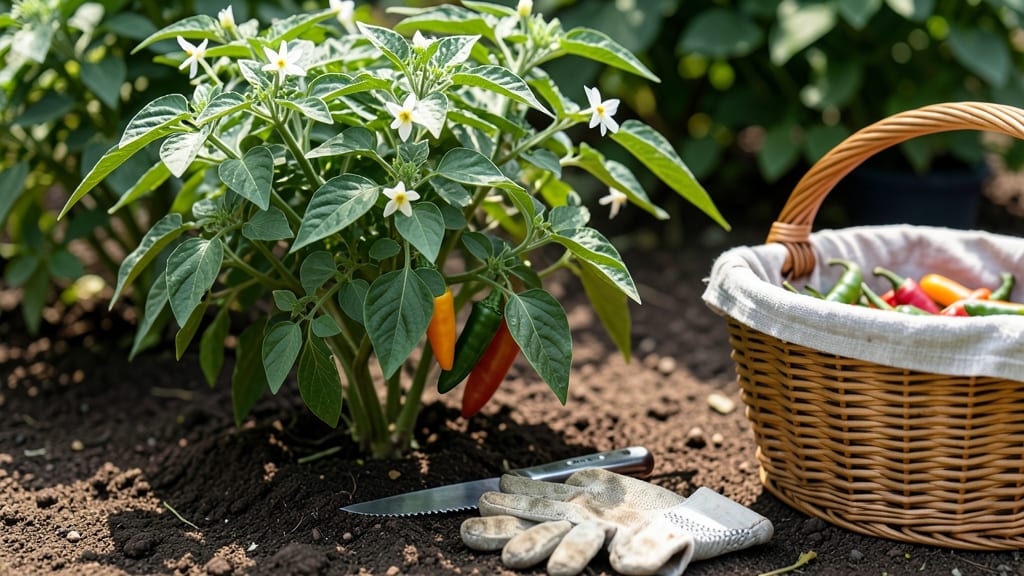
Harvesting gypsy peppers at the right time means the difference between crisp, heat-packed pods and bland, mushy ones that fall apart at the touch.
Picture this: you’ve nurtured your 🌶️ gypsy peppers all season, and now they’re begging to be picked—but how do you know when? Waiting too long dulls the flavor, while harvesting too soon robs you of that signature fiery crunch.
The key lies in three simple tactile tests that tell you exactly when to snip.
From stem separation to color shifts and firmness, these cues work whether you’re in USDA Zone 6a or a warmer climate. Miss them, and you might end up with peppers that are either underripe or overripe—neither of which delivers the bold, crisp heat you’re after.
Below, I’ll walk you through the three foolproof ways to test your gypsy peppers, plus how to adjust for your local growing season. No guesswork, just perfect pods every time.
3 Tactile tests to determine perfect gypsy pepper harvest time
Gypsy peppers pack a bold heat profile and crisp texture when harvested at peak ripeness. Unlike other peppers, they demand precise timing—pick too early, and you lose flavor intensity; wait too long, and they become rubbery.
The key lies in three tactile tests that reveal maturity beyond just color. These methods combine visual cues with hands-on checks to ensure you harvest at the perfect moment for maximum spice and crunch.
First, understand that gypsy peppers mature in stages. They start green, transition through intermediate colors (yellow, orange, or purple), and finally reach their fully ripe color.
Each stage affects heat levels and texture—green peppers are milder and crunchier, while fully ripe ones deliver peak capsaicin and a slightly softer bite. The tactile tests below help you determine which stage is ideal for your needs, whether you prefer green heat or fully mature sweetness.
Here’s the game-changer: these tests work for both green and red harvests. For example, a green gypsy pepper might be ready at 75 days, while a red or purple variety could take up to 90 days.
The difference? Stem separation and pod firmness remain consistent, but color progression signals the final stage. Let’s dive into the three tests that will transform your harvest game.
The stem separation test is my go-to for green harvests because it’s foolproof. I’ve found that gypsy peppers often detach easily when they’re just right for pickling or stir-fries.
Start by selecting a pepper that’s at least 3 inches long—smaller ones are rarely mature enough, even if the stem snaps. Pro tip: Use a sharp pair of pruning shears to avoid damaging the plant, especially if you’re harvesting multiple peppers at once.
Next, the pod firmness check reveals texture secrets. A ripe gypsy pepper should feel slightly waxy to the touch, almost like a freshly plucked tomato. If the skin gives under pressure, it’s not ready—wait another 3–5 days for optimal firmness.
Overripe peppers, on the other hand, develop a dull, wrinkled surface and lose their crisp snap. This test is crucial for preserving the papery texture that makes gypsy peppers so desirable in dishes like stuffed peppers or dried flakes.
Don’t overlook color progression, especially if you’re growing a multi-colored variety. For example, a purple gypsy pepper might look fully ripe when it’s still partially green inside. To confirm, I slice one test pepper lengthwise—if the seeds are deeply colored and the flesh is vibrant, it’s ready.
For red or orange varieties, wait until the color is uniform and intense. This step ensures you’re not missing out on the peak flavor window, which is typically 2–3 days after full color development.
Here’s a pro move: harvest in the morning when peppers are cool and firm. This timing ensures you’re testing them at their peak crispness. Avoid harvesting after a hot day—peppers can feel softer due to water loss, leading to false readings on your firmness test.
If you’re unsure, harvest a few peppers at different stages and taste-test them. Your palate will quickly learn the difference between underripe tang and fully mature heat.
One common mistake is relying solely on color. I’ve seen gardeners pick gypsy peppers that look ripe but fail the stem separation test, resulting in bland flavor. Always combine all three tests for 100% accuracy.
For example, a green gypsy pepper might pass the firmness test but not snap cleanly—this means it needs more time to develop its heat potential. Conversely, a red pepper that snaps but feels mushy is past its prime.
For dried or powdered gypsy peppers, aim for fully ripe pods with deep color and firm skin. These peppers will retain their heat longer during the drying process.
If you’re harvesting for fresh use, green or partially ripe peppers can still deliver a crisp bite and milder heat. The choice depends on your recipe—green for crunch, red for intensity. Just remember: the tactile tests are your best friends in this decision.
Finally, keep an eye on your gypsy pepper plant’s productivity. If peppers are slow to mature, check for nutrient deficiencies (like yellowing leaves) or inconsistent watering. A well-fed plant with 6–8 hours of sun daily will produce peppers that pass all three tests consistently.
With these tactile methods, you’ll never second-guess your harvest again—just crisp, heat-packed pods every time.
Gypsy pepper harvest timeline: days to maturity by stage
Gypsy peppers follow a predictable 60–90-day growth cycle from transplant to harvest, but their exact timeline depends on your local climate and variety.
In warmer regions (Zones 8+), you’ll see faster maturation—sometimes as early as 70 days—while cooler climates (Zones 6–7) may stretch this to 90 days or longer.
The key stages—green, red, and fully ripe—each offer distinct harvest windows. For example, green gypsy peppers can be picked at 50–60 days for milder heat, while fully ripe pods (your fiery, crunchy gems) take 85–90 days to develop.
Understanding these phases helps you plan ahead for continuous harvests all season.
| Stage | Days to Maturity | Harvest Window | Climate Adjustment |
|---|---|---|---|
| Green Pods | 50–60 days | Pick for milder heat | Cooler zones: delay until 60+ days |
| Red Pods (Early) | 70–75 days | Balanced heat/crunch | Warmer zones: harvest at 70 days |
| Fully Ripe (Peak) | 85–90 days | Maximum heat/crispness | Cooler zones: extend to 90+ days |
| Overripe (Risk) | 90+ days | Soft, dull flavor | Avoid in all climates |
For example, if you transplanted your gypsy peppers on May 15 in Zone 7, expect green pods ready by July 5 (50 days), red pods by July 25 (70 days), and peak harvest by August 10 (85 days).
Adjust these dates 1–2 weeks earlier in warmer zones or 1–2 weeks later in cooler ones.
Pro tip: Use a garden journal to track your peppers’ progress. Note when flowers appear (usually 45–50 days post-transplant) and when pods first form. This helps you predict future harvest windows with precision—critical for planning meals or preserving your bounty.
Remember, gypsy peppers thrive on consistency. If your plants struggle to mature within the expected timeline, check for sunlight gaps (they need 6–8 hours daily) or nutrient deficiencies. A quick soil test or side-dressing with compost can jumpstart stalled growth.
Once you’ve mastered these timelines, you’ll never miss the perfect moment to harvest—just wait for that firm, vibrant pod that snaps cleanly at the stem. That’s your cue to pick, dry, and enjoy the crisp, fiery reward of your hard work. 🌶️