
Vegetables
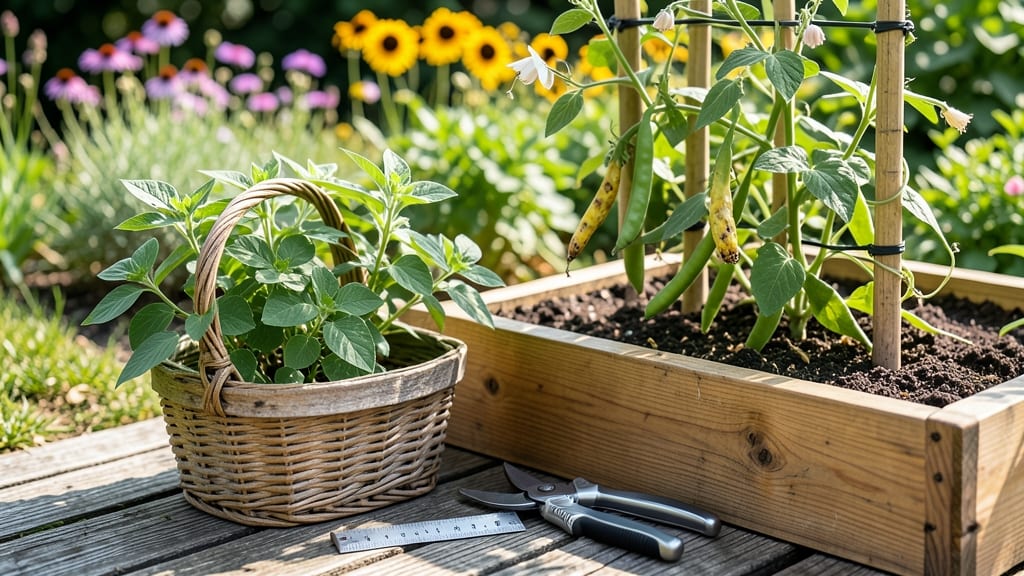
Harvest green beans when pods are 4-6 inches long and bright green 🌱 — that’s the sweet spot for tender, string-free flavor.
Picking too early means tiny, underdeveloped pods, while waiting too long turns them tough and woody. The difference between a crisp, fresh harvest and a disappointing one comes down to timing.
Most varieties reach peak flavor in July through September, but daily checks are key. Look for pods that snap easily when bent and have small, barely visible seeds inside.
In this guide, I’ll break down the exact visual cues, seasonal adjustments, and harvesting frequency to keep your green beans producing all season long.


How to identify perfect green bean harvest size by variety
Green beans are at their peak when harvested at the right size—too small and they’re underdeveloped, too large and they become tough with visible seeds. For most varieties, the ideal harvest size falls between 4 to 6 inches in length, with pods no wider than ½ inch.
This range ensures tender, string-free beans packed with flavor. However, not all green beans follow the same rule, especially when comparing pole beans to bush beans.
The key to a perfect harvest lies in understanding your specific variety. Some, like Blue Lake or Contender, thrive when picked at 5-6 inches, while others, such as Kentucky Wonder or Romano, are best harvested slightly smaller, around 4-5 inches.
Ignoring these differences can lead to missed opportunities for continuous production or beans that are too fibrous to enjoy.
Here’s how to match your harvest timing to your green bean variety for the best results:
| Variety Type | Ideal Pod Length | Width | Harvest Notes |
|---|---|---|---|
| Bush Beans (e.g., Blue Lake, Contender) | 5-6 inches | ½ inch or less | Harvest frequently to encourage more pods; stop when pods turn yellow. |
| Pole Beans (e.g., Kentucky Wonder, Romano) | 4-5 inches | ¼ inch or less | Pick younger for tender beans; can harvest multiple times per week. |
| Dwarf Beans (e.g., Blue Lake Dwarf) | 4-5 inches | ½ inch or less | Compact plants; harvest every 2-3 days for continuous yield. |
| Flat Podded (e.g., Romano, Tarheel) | 6-8 inches | ¼ inch or less | Wait slightly longer for full flavor; pods should snap easily. |
For bush beans, which produce all their pods at once, aim for a 5-6 inch length. These varieties, like Blue Lake, are bred for high yield, but their flavor declines rapidly once seeds begin to form.
If you wait too long, you’ll end up with stringy, woody beans that are far less enjoyable. Bush beans also benefit from regular harvesting every 2-3 days to keep production steady.
Pole beans, on the other hand, climb and produce beans continuously throughout the season. Varieties like Kentucky Wonder or Fortex should be harvested at 4-5 inches to prevent over-maturity. These beans are more forgiving if picked slightly larger, but their texture and tenderness suffer if left on the vine too long. Pole beans often have a longer harvest window, so you can stretch your picking season by staying consistent.
If you’re growing flat-podded varieties like Romano or Tarheel, wait until pods reach 6-8 inches in length. These beans are prized for their unique shape and flavor, which develop fully at a larger size.
However, even flat-podded beans lose quality if seeds swell or the pods turn yellow. Always check for firmness and bright green color before harvesting, regardless of variety.
One common mistake is assuming all green beans should be harvested at the same size. Dwarf varieties, like Blue Lake Dwarf, mature faster and may need picking at 4-5 inches to avoid overcrowding on compact plants.
These smaller varieties are perfect for containers or small gardens but require just as much attention to timing as their taller counterparts. Paying close attention to your specific variety ensures you’re always harvesting at the perfect moment.
To test if your beans are ready, gently squeeze a pod. It should feel firm and crisp, almost snapping when bent slightly. If it’s soft or mushy, it’s past its prime.
Additionally, look inside the pod—if you can see developing seeds or the pod feels hollow, it’s time to harvest. Waiting just a few extra days can turn a tender bean into a tough, stringy disappointment.
Pro tip: Harvest in the morning when beans are cool and crisp. This is when their flavor and texture are at their peak. Use sharp pruning shears or scissors to avoid damaging the plant, and always pick from the bottom of the plant upward.
This encourages new growth and ensures a steady supply of fresh, flavorful beans all season long.
Color and texture clues: when green beans are ready to pick
Don’t rely on size alone—pod color and texture are your secret weapons for harvesting green beans at peak flavor. Bright, vibrant green pods with a crisp snap signal readiness, while yellowing or dull pods mean you’ve missed the window.
I’ve learned the hard way that waiting just a few extra days can turn tender beans into tough, stringy disappointment.
The seed development stage inside the pod is another critical clue. When pods are ready, seeds are tiny and barely visible through the pod wall. If you can see or feel bulging seeds, you’ve waited too long.
This stage is where many gardeners go wrong—they focus on length but ignore what’s happening inside.
🚨 WARNING: Overripe Beans Ruin Flavor 🚨
- Yellowing pods = past prime, bitter flavor
- Soft or mushy texture = overripe and tough
- Visible seeds = beans will be starchy, not sweet
For pole beans, check pods every 2-3 days—they mature faster than bush varieties. Run your thumb along the pod: if it feels smooth and firm with no give, it’s ready.
The stem should snap cleanly when bent, not bend gradually. This simple test has saved me from harvesting too early or too late.
Seasonal timing matters too. Early in the season, pods may mature faster due to cooler temps, while late-summer heat can slow development. Watch for pod length consistency—if most are 4-6 inches but a few lag behind, harvest the ready ones first to encourage more production.
This staggered approach keeps your harvest flowing all season.
One common mistake I see is harvesting only the longest pods. While size matters, it’s the combination of color, texture, and seed stage that truly determines readiness.
For example, a 5-inch pod with yellowing tips is past its prime, even if it’s the right length. Always check all three clues before picking.
Store harvested beans in the fridge for up to 5 days in a perforated bag to maintain crispness. If you’re not using them immediately, freeze them whole for later cooking.
The key to continuous harvests? Pick regularly—this encourages plants to produce more pods and keeps your table stocked with fresh, tender beans all season. 🌱