
Picking
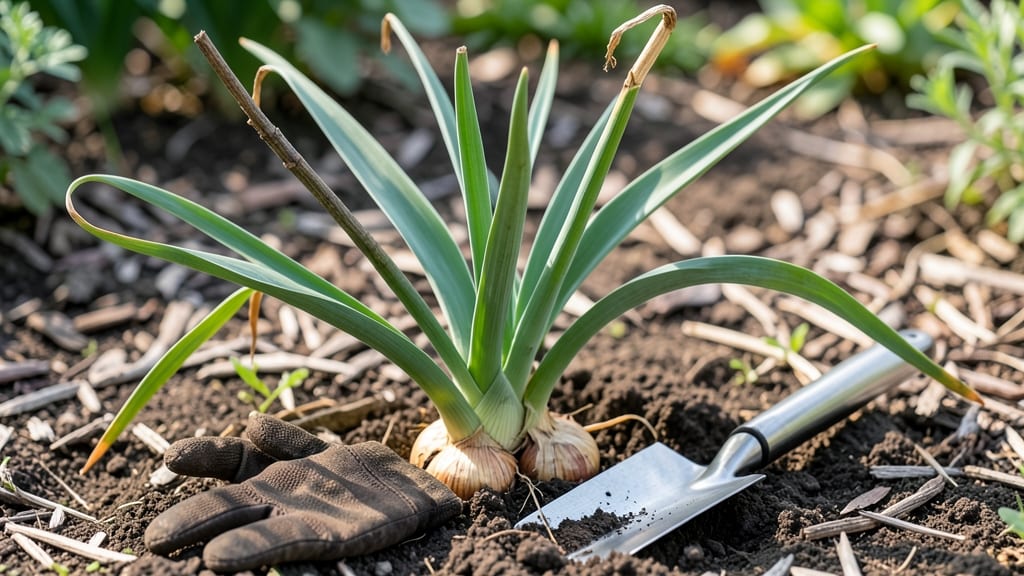
Harvesting garlic in North Carolina at the right time ensures you get the biggest, most flavorful bulbs 🧄 — and missing the window can turn your crop into shriveled scraps.
North Carolina’s warm climate and long growing season make it a garlic lover’s paradise—but timing your harvest wrong can mean the difference between plump, flavorful bulbs and shriveled disappointments.
You’ll know it’s time when the lower leaves turn brown and crispy, the stems flatten, and the bulbs feel firm when gently squeezed. These visual cues are your green light to dig.
Below, I’ll walk you through the exact steps to harvest, cure, and store your garlic so it lasts all year—plus the common mistakes NC gardeners make and how to avoid them.
How to identify the perfect time to harvest garlic in NC
North Carolina’s diverse climate zones—from the humid coastal plains to the cooler mountain regions—create unique challenges for garlic growers. Unlike other crops, garlic doesn’t announce its readiness with vibrant colors or rapid growth spurts.
Instead, you’ll need to watch for subtle but critical visual and physical cues that signal it’s time to harvest. Miss these signs, and you risk small, pungent bulbs or even rot in the soil.
For most NC gardeners, garlic planted in fall (October-November) will be ready for harvest the following late June to early July. However, your exact timing depends on your USDA hardiness zone (6b-8a) and whether you’re growing hardneck or softneck varieties.
Hardnecks, like ‘Music’ or ‘Chesnok Red’, typically mature first, while softnecks like ‘Silverskin’ may need an extra 2-3 weeks.
| Region | Key Harvest Cues | Best Timeframe | Notes |
|---|---|---|---|
| Coastal Plains (Zones 7b-8a) | Lower leaves brown and crispy, stems flatten, bulbs firm when squeezed | Mid-June to late June | Hotter, humid climate speeds up drying |
| Piedmont (Zones 7a-7b) | 50% lower leaves brown, paper skin dry, stems begin to yellow | Late June to early July | Moderate temps delay drying slightly |
| Mountains (Zones 6b-7a) | Stems flatten completely, bulbs feel heavy for size, minimal green leaves remain | Early to mid-July | Cooler nights slow maturation |
| All Regions | Bulb size (1-2 inches diameter), paper skin separates easily when peeled | Varies by variety | Avoid harvesting before first frost risk (March 15+) |
Your first clue will be the lower leaves turning yellow-brown and crispy, starting from the soil line upward. This process, called senescence, indicates the plant is redirecting energy to the bulb.
In the Piedmont region, where temperatures are moderate, you’ll often see about 50% of the lower leaves browned before harvest. Meanwhile, in the coastal plains, the heat can accelerate this process, so don’t wait too long—leaves may dry completely in as little as 10-14 days.
Next, check the stems and bulbs. When garlic is ready, the central stem will flatten and lose its rigidity, almost like a paper straw. Gently squeeze a bulb—it should feel firm and solid, not soft or spongy.
If the paper skin (cloves) separates easily when you peel back a layer, that’s another green light. In the mountain regions, where cooler nights prevail, stems may stay upright longer, so focus more on bulb firmness than leaf color.
One common mistake NC gardeners make is waiting until all leaves turn brown. By then, the bulbs may have already started to sprout or rot in the soil. Aim to harvest when only the lower 1/3 to 1/2 of leaves are browned.
For hardneck varieties, this usually happens 270-300 days after planting, while softnecks can take up to 330 days. Keep a planting journal to track your garlic’s progress—note when you planted and monitor leaf changes weekly.
If you’re unsure, dig up one test bulb and check its size. Mature garlic bulbs should measure 1-2 inches in diameter and have 4-10 cloves per bulb, depending on the variety. Smaller bulbs (under 1 inch) often lack flavor and may not store well.
In Zone 8a (coastal), where growing seasons are longer, you might find bulbs ready by mid-June, while Zone 6b (mountains) gardeners may not see readiness until early July.
Pay attention to your local frost dates too. Garlic bulbs can survive light frosts, but a hard freeze will damage them. In most of NC, the last frost date is around November 15, but bulbs should be harvested before any frost in the following spring.
If you’re in a warmer microclimate, like the Research Triangle area, you might harvest a week
Step-by-step guide: harvesting, curing, and storing NC-grown garlic
Once your garlic plants show those telltale signs of harvest readiness—brown lower leaves and flattened stems—it’s time to act fast. In North Carolina’s humid climate, proper curing is critical to prevent mold and ensure long-term storage.
I’ve harvested garlic in Zone 7b for years, and these steps have saved me from spoiled crops every time.
North Carolina’s summer heat and high humidity (especially in the Piedmont and Coastal regions) demand extra care during curing. Unlike drier climates, you’ll need to balance airflow with moisture control to avoid rot. Follow these steps closely, and your garlic will store beautifully until next fall.
Your NC Garlic Harvest Checklist
- 1 Dig at the right time: Harvest on a dry morning when soil is workable (typically late June to early July in NC). Use a fork or spade to gently loosen soil around the base—don’t cut stems!
- 2 Shake off soil: Gently brush away dirt from bulbs—never wash them! Moisture speeds up spoilage during curing. Let them air-dry for 1-2 hours in a shady, breezy spot (like a garage or porch).
- 3 NC-specific curing: Bundle stems in small groups (3-5 bulbs) and hang upside-down in a well-ventilated area with 50-60% humidity (use a fan if needed). Avoid attics—NC’s summer heat can cause rot. Ideal temps: 65-75°F.
- 4 Test for dryness: After 2-3 weeks, check bulbs: Papery skins should be crisp, and stems should snap easily. If any bulbs feel damp, extend curing time or increase airflow with a fan.
- 5 Trim and store: Once fully cured, trim stems to 1 inch above bulbs and remove loose outer skins. Store in a cool (55-60°F), dark place with good airflow (mesh bags or cardboard boxes work best). Avoid plastic bags—NC’s humidity causes mold!
For hardneck varieties (like Music or Silverskin), curing takes slightly longer due to their thicker stems. If you’re in Western NC’s cooler mountains, extend curing to 3-4 weeks—the drier air helps prevent mold.
I once lost an entire batch in Raleigh’s humidity by rushing the process, so don’t skip this step!
Properly stored garlic lasts 6-12 months, but check bulbs monthly for soft spots or sprouting. If you notice green shoots, separate those cloves and use them first—they’ll sprout faster.
For long-term storage, braid stems and hang in a dry closet—this traditional method works wonders in NC’s variable climate.
Remember: Patience is key during curing. Rushing leads to moldy garlic, while proper drying ensures bulbs that’ll flavor your dishes all winter. With these steps, you’ll turn your NC harvest into a pantry staple that’ll make your neighbors jealous!