
How To
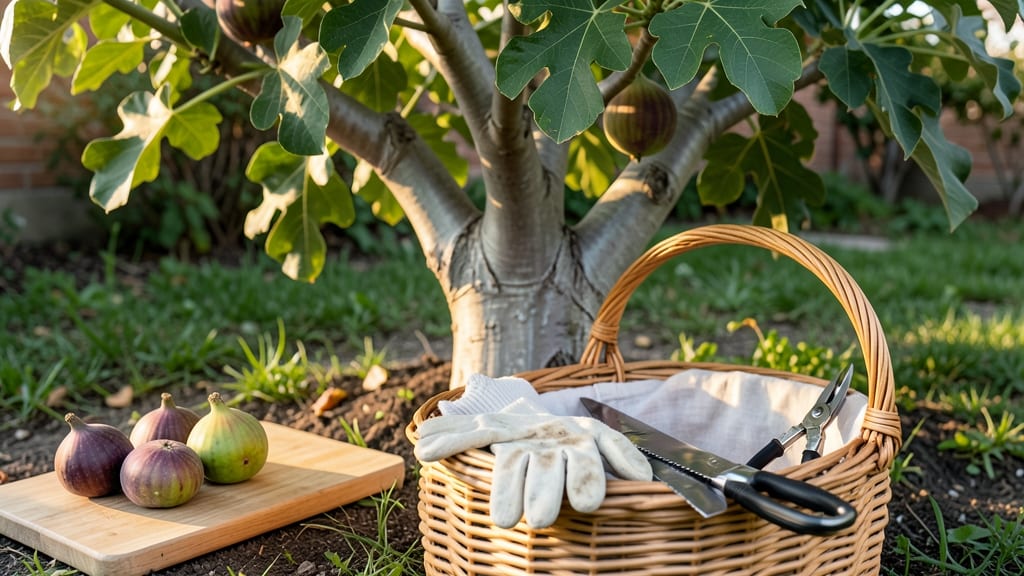
Harvesting figs at the right time ensures you get the sweetest, most flavorful fruit 🍈—and missing the window means mealy, underripe disappointment.
Picking figs at the wrong moment can turn your hard work into a bitter lesson. You might end up with fruit that’s too firm or already overripe, ruining the perfect jelly-like texture you’ve been dreaming of.
The key is knowing exactly when those deep purple, brown, or green skins signal readiness, and how to test them without damaging the tree.
In USDA Zone 6a, figs typically ripen between late summer and early fall, but the exact timing depends on your variety and local climate.
Whether you’re growing Brown Turkey, Chicago Hardy, or Black Mission figs, understanding the visual and tactile cues—like a soft, yielding skin and a slightly sweet aroma—will help you nail the harvest window.
Below, I’ll walk you through the foolproof methods to determine ripeness, how to harvest without harming your tree, and what happens if you pick too early or too late. By the end, you’ll be ready to enjoy the reward of your labor: homegrown figs at their peak!
How to tell when figs are ripe for harvesting
Figs are one of nature's sweetest rewards, but timing your harvest perfectly ensures you enjoy their jelly-like sweetness instead of a bland, mealy bite. The key lies in combining visual cues, tactile tests, and variety-specific traits.
Different fig types—like Brown Turkey, Chicago Hardy, or Black Mission—mature at slightly different rates, so knowing what to look for saves you from picking too early or too late.
Start by examining the skin color, which is your first clue. Most figs develop a deeper hue as they ripen—think rich purple for Black Mission or deep brown for Brown Turkey. However, some varieties like Celeste stay green but soften significantly.
Pair this with a gentle squeeze test: ripe figs yield slightly under pressure, almost like a ripe peach. If it feels firm, it needs more time on the tree.
Don’t overlook the stem attachment. When a fig is ready, the base where it meets the stem will start to soften, and the fruit may even detach easily when twisted gently. This is nature’s way of signaling, "Pick me now!"
Ignoring this cue can lead to overripe figs that split open or attract pests like wasps. Pro tip: Harvest in the morning when temperatures are cooler—this preserves their flavor and texture.
| Variety | Ripe Skin Color | Texture Test | Harvest Time | Notes |
|---|---|---|---|---|
| Brown Turkey | Deep brown | Yields slightly when pressed | Late August - September | Cold-hardy; great for northern climates |
| Chicago Hardy | Greenish-brown | Softens at base | Mid-September | Tolerates light frosts; early ripener |
| Black Mission | Deep purple-black | Skin splits slightly | Late September - October | Sweetest when fully ripe; needs warm climate |
| Celeste | Green (stays green) | Very soft, almost mushy | Late August | Delicate; harvest early to avoid overripening |
| Desert King | Greenish-yellow | Firm but yields | Mid-September | Drought-tolerant; great for dry regions |
For container-grown figs, ripening can be slightly delayed due to limited root space. Monitor these plants closely, as they often need a little extra warmth to mature. If you’re in a cooler climate, like USDA Zone 6, focus on early-ripening varieties like Chicago Hardy or Osborn Prolific.
These types handle brief chills better and still deliver flavorful fruit. In warmer zones, like Zone 9, you might see multiple harvests—some figs ripen in summer, while others wait until fall.
One common mistake is waiting until figs split open before picking. While this indicates extreme ripeness, the fruit inside can become fermented or seedy, losing its prized sweetness. Instead, harvest when the skin is fully colored and the fig gives just a bit under gentle pressure.
This ensures you capture that perfect balance of sugar and texture. Pro tip: Use a small pair of pruning shears to snip the stem, leaving a tiny bit attached to the fruit—this helps it last longer in storage.
If you’re unsure whether a fig is ready, perform the "twist test". Gently twist the fig at its base—if it separates cleanly from the stem, it’s prime for picking. If it resists, wait another day or two.
This method works especially well for Black Mission figs, which can be tricky to time due to their dark skin. Remember, figs won’t ripen further once picked, so don’t rush the process. Patience here pays off with bursting sweetness and a texture that’s almost custard-like.
For first-time fig growers, it’s helpful to mark your calendar based on your tree’s variety. Most figs take 180-240 days to mature from flower to fruit, depending on climate.
In my garden, I’ve found that Brown Turkey figs are the most forgiving—they ripen over a longer window, giving me multiple chances to harvest. Meanwhile, Celeste figs demand precision; they soften rapidly and can turn mushy if left too long on the tree.
Finally, don’t ignore the leaves below the fig. As the fruit ripens, the leaves at its base often yellow and drop. This is a subtle but reliable sign that the fig is nearing peak ripeness. Combine this with the other cues, and you’ll rarely miss the window.
Once you’ve mastered these techniques, you’ll be able to predict your fig’s ripening schedule with surprising accuracy—no more guesswork, just perfectly timed harvests every season.
🌱
Best practices for harvesting figs without damaging the tree
Harvesting figs carefully protects your tree while ensuring you get the best flavor. Figs are delicate, and improper handling can stress the plant or even damage branches. I’ve learned that gentle techniques and proper timing make all the difference in preserving both the fruit and the tree’s health.
Figs ripen quickly, so knowing when to harvest by hand versus using tools is crucial. Over-picking can weaken the tree, while under-picking means missing out on sweet, ripe fruit. Let’s break down the safest methods to harvest without harming your fig tree.
⚠️ Warning: Harvest at the Right Time
Figs ripen in waves, and harvesting too early or too late can ruin the flavor. Wait until the skin deepens (purple, brown, or green depending on variety) and the fruit yields slightly when gently squeezed. Picking before this stage means mealy, bland figs, while waiting too long can lead to overripe, mushy fruit.
For USDA Zone 6a, aim for late summer to early fall (August–October). If a frost is forecasted, harvest all remaining figs immediately—even if not fully ripe—to salvage what you can.
Start by harvesting figs by hand for the first few picks. Gently grasp the fig between your thumb and forefinger, then twist slightly while pulling downward. This method minimizes damage to the tree’s branches.
If figs are high up or clustered tightly, use pruning shears—but always cut the stem just above the fruit to avoid tearing the branch.
Never harvest more than one-third of the crop at once. Over-picking stresses the tree and can reduce next year’s yield. Instead, check your figs every 2–3 days during peak season. This frequent monitoring ensures you catch ripe figs while leaving enough energy in the tree for continued production.
Watch for signs of stress in your fig tree, such as wilting leaves, yellowing foliage, or excessive fruit drop. These could indicate over-harvesting or underwatering. If you notice these symptoms, reduce harvesting frequency and increase watering to help the tree recover.
After harvesting, store figs in a cool, shaded place (like a paper bag in the fridge) for up to a week. If you’ve picked too many at once, consider processing them into jam or drying to avoid waste.
With these practices, you’ll enjoy a bountiful harvest year after year without harming your beloved fig tree.