
How To
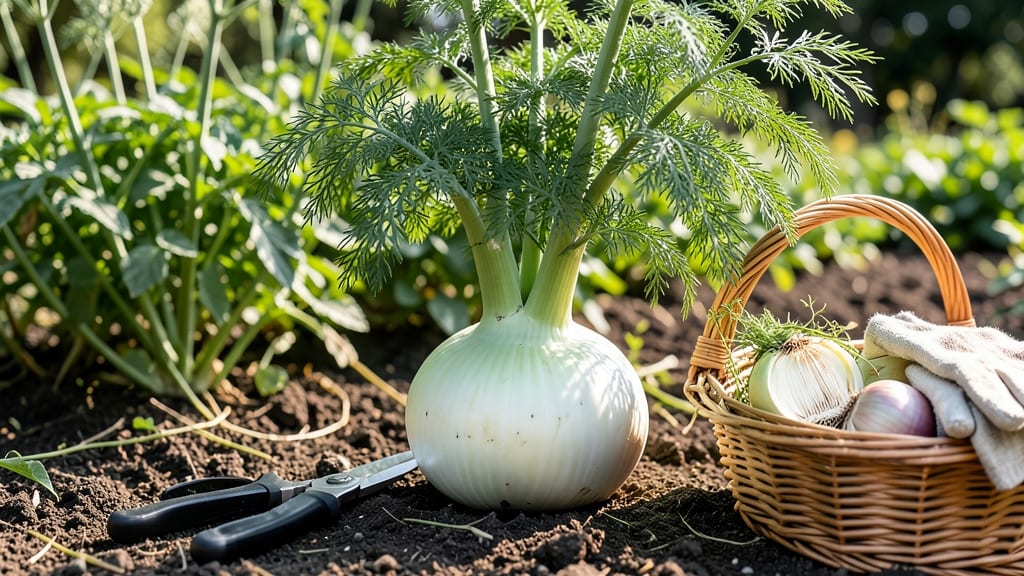
Harvesting fennel bulb at the right time turns your garden’s aromatic treasure into a sweet, flavorful prize 🌿 — and missing that window means tough, bitter disappointment.
Picture this: you’ve nurtured your fennel all season, only to pull it too early and end up with a tiny, underdeveloped bulb, or wait too long and watch it turn woody and pungent.
The difference between a delicious harvest and a wasted crop hinges on a few key signals—soil warmth, bulb size, and leaf color—that most gardeners overlook.
In this guide, I’ll walk you through the exact cues to watch for, from the ideal soil temperature range of 60-75°F to the telltale yellowing of outer leaves.
You’ll also learn how to avoid the three most common mistakes that ruin flavor, plus post-harvest tips to keep your fennel tasting fresh for weeks.
Ready to turn your fennel into a kitchen game-changer? Let’s dive into the science and secrets behind the perfect harvest.
How soil temperature and bulb size determine perfect fennel harvest time
Fennel bulbs develop their signature sweetness when grown under the right conditions, and soil temperature plays a starring role. Ideally, your fennel thrives in soil between 60-75°F (15-24°C), where enzymes accelerate sugar production.
Below 60°F, growth slows, while temperatures above 75°F can cause bitterness—a common mistake many gardeners make by planting too late in hot climates.
Think of fennel bulbs like a clock: their diameter (3-4 inches) is the hands showing readiness. Smaller than 3 inches? The bulb is still maturing and lacks full flavor.
Larger than 4 inches? It may become woody and tough. The sweet spot balances size and tenderness, making every bite delicious rather than fibrous.
Beyond size, watch the outer leaves for color cues. When they shift from vibrant green to yellowish-brown at the edges, it’s nature’s way of saying, "Harvest me now!" This change signals the bulb has reached peak sweetness, while the inner leaves remain lush and green—perfect for garnishing dishes.
Here’s the science: cooler soil temps (60-65°F) slow growth but enhance sweetness, while warmer soil (70-75°F) speeds up bulb development. In USDA Zone 6a, aim for late summer harvests (July-September) when daytime highs hover around 75°F but nights dip below 65°F for that ideal balance.
Pro tip: Use a soil thermometer to track temperatures weekly. If your soil runs cooler than 60°F, consider using black plastic mulch to warm the roots naturally. This trick works wonders in early spring or high-altitude gardens where temps lag behind the calendar.
Another game-changer is the "pull-and-check" method. Gently tug on the fennel’s base—if the bulb slides out easily with minimal resistance, it’s ready. If it resists, wait 3-5 days. This method prevents over-maturity, which turns bulbs tough and pithy, ruining their delicate texture.
Regional adjustments matter too. In warmer climates (Zones 8-10), fennel may mature faster, so monitor bulbs closely in late spring. Conversely, in cooler zones (like Zone 5), extend the growing season with row covers to reach ideal soil temps by midsummer.
Remember: fennel’s sweetness peaks at harvest but declines rapidly after cutting. For maximum flavor, use freshly harvested bulbs within 3-5 days. Store any extras in the fridge (not the freezer) to preserve sweetness for up to 2 weeks—though nothing beats the taste of garden-fresh fennel straight from the soil.
🌿
5 Key signs your fennel bulb is ready (and 3 mistakes to avoid)
Knowing exactly when to harvest your fennel bulb can transform your garden’s hard work into a sweet, aromatic victory 🌱. The difference between a perfect harvest and a bitter disappointment often comes down to three critical factors: bulb size, leaf color, and soil temperature.
Let’s break down the five unmistakable signs your fennel is ready for the table—and the three mistakes that could ruin your crop.
First, focus on the outer leaves. When they start turning a dull yellowish-brown and begin drying at the edges, that’s your first clue. This natural aging process signals the bulb below has reached its peak sweetness.
Meanwhile, the base of the plant will swell noticeably, feeling firm to the touch like a small, round turnip. If you gently squeeze the bulb and it releases a strong anise scent, that’s another green light to harvest.
Here’s the golden rule: harvest when the bulb is 3-4 inches in diameter. Any smaller, and you’ll miss out on the full flavor development. Any larger, and the bulb risks becoming woody and tough.
This size window aligns perfectly with soil temperatures between 60-75°F—the ideal range for sweetness to fully develop.
- 🟡 1. Bulb Diameter: Harvest when the bulb reaches 3-4 inches in diameter for peak sweetness.
- 🌿 2. Leaf Color: Outer leaves turn yellowish-brown and dry at the edges.
- 🌡️ 3. Soil Temperature: Ideal harvest occurs when soil is 60-75°F (15-24°C).
- ✅ 4. Firmness Test: Gently squeeze the bulb—it should feel firm and swollen at the base.
- 💨 5. Scent Check: Crush a leaf—if it releases a strong anise aroma, it’s ready!
Now, let’s talk about the three mistakes that can turn your fennel harvest into a flop. First, harvesting too early results in small, underdeveloped bulbs that lack the rich flavor you’re after. Second, waiting too long leads to woody, bitter bulbs that are nearly inedible.
Finally, ignoring soil temperature—harvesting when the soil is too cold or too hot—can stunt flavor development, leaving you with a bland or harsh-tasting bulb.
To avoid these pitfalls, I recommend using the pull-and-check method. Gently grasp the fennel bulb near the base and lift it slightly. If it comes up easily with minimal resistance, it’s ready.
If not, give it another week or two. This simple test ensures you’re harvesting at the perfect moment for maximum flavor and texture.
Once you’ve mastered these signs, you’ll be rewarded with fennel bulbs that are sweet, tender, and packed with anise flavor—perfect for salads, soups, or roasting.
And don’t forget: storing your harvested fennel properly in the fridge can extend its freshness for up to two weeks, keeping those flavors alive for your next culinary creation!