
How To
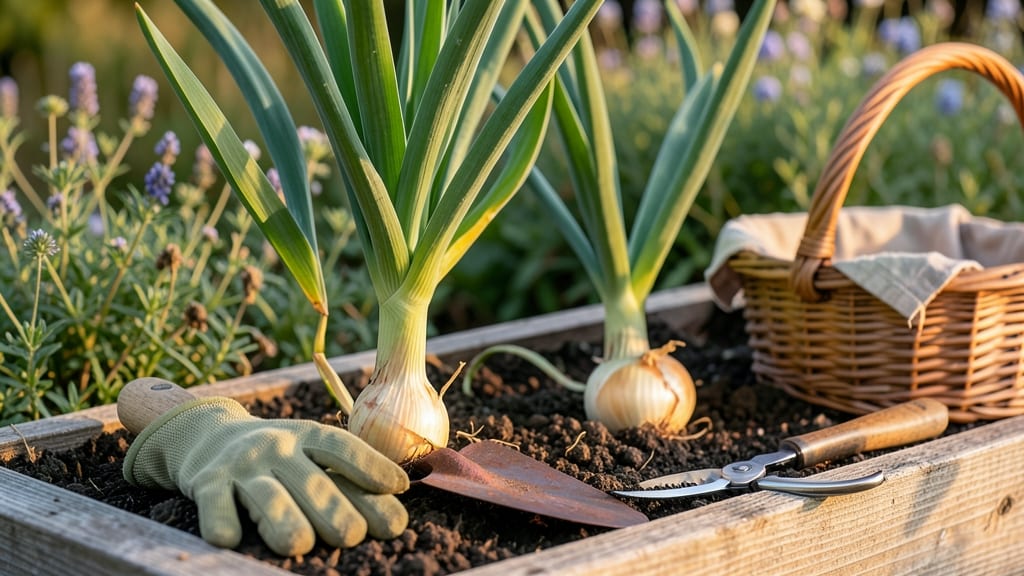
Harvest candy onions 🧅 when their tops yellow and bulbs reach 2-3 inches in diameter — timing this right means the difference between sweet, tender onions and tough, pungent ones.
Picture this: you’ve spent months nurturing your candy onions, only to pull them too early and end up with tiny, bitter bulbs, or wait too long and watch them split in the heat.
The key is catching them at the perfect moment, when the flavor peaks and the texture is just right.
Most gardeners in USDA Zone 6a should aim for late July to early August, but the real test isn’t the calendar—it’s the bulb. Here’s how to check if yours are ready before you dig them up.
Below, I’ll walk you through three foolproof tricks to test candy onions for harvest readiness, from size checks to leaf signals, so you never miss the sweet spot again.
How to check candy onion size for perfect harvest timing
Harvesting candy onions at the right time ensures maximum sweetness and flavor. The key lies in watching both the bulb size and the leaf signals your plants send. When you ignore these cues, you risk harvesting too early (small, pungent bulbs) or too late (dry, bitter onions).
Let’s break down the exact visual and physical checks to nail your harvest timing.
First, focus on the bulb diameter—this is your primary indicator. For candy onions, you want bulbs that are 1 to 2 inches in diameter. Smaller than 1 inch, and they’re underdeveloped; larger than 2 inches, and they may start to lose sweetness.
Use a ruler or even a coin (like a quarter) to gauge the size if you’re unsure. This step is critical because bulb size directly correlates with sweetness.
Next, observe the leaf condition. Healthy candy onion leaves should start turning yellow and wilt as they prepare for harvest. This is nature’s way of telling you the bulbs are maturing.
If the leaves are still green and upright, your onions need more time to grow. Wait until about 50% of the leaves have yellowed before harvesting.
Don’t forget to check the skin texture. At the perfect harvest time, the outer skin of the bulb should feel dry and papery. If it’s still moist or rubbery, the bulb isn’t ready.
Gently squeeze the bulb—it should feel firm but not hard. A soft bulb means it’s overripe, while a hard one is underdeveloped. This tactile check is especially useful for beginners.
For a more precise approach, use the finger test. Gently dig around the base of the plant and check how deep the bulb has grown. Candy onions typically develop bulbs that are 3 to 4 inches below the soil surface.
If you can’t easily pull the bulb without breaking it, it’s not ready yet. This test helps avoid the frustration of harvesting onions that are still attached to the soil.
Timing also depends on your climate zone. In hotter regions, candy onions may mature faster, so keep an eye on them every 5-7 days starting in late June. In cooler climates, they might take longer, so extend your checks to every 7-10 days.
Pay attention to local weather patterns—drought or excessive heat can speed up maturity, while cool, wet weather may delay it.
One common mistake is harvesting based solely on days after planting. Candy onions typically take 90 to 120 days to mature, but this varies by variety and growing conditions.
Instead of relying on a calendar, combine bulb size, leaf color, and skin texture for the most accurate timing. This multi-step approach ensures you’re harvesting at peak sweetness every time.
Finally, harvest on a dry, sunny day to allow the bulbs to cure properly. After pulling them from the ground, let them dry in the sun for 1-2 hours before storing.
This curing process enhances flavor and helps prevent rot. If rain is forecasted, harvest early and dry them indoors under a fan or in a well-ventilated area.
Mastering the art of harvest timing for candy onions transforms your garden into a sweet, flavorful paradise. With these size checks and leaf signals, you’ll never miss the perfect moment to pull these delicious bulbs again. Happy harvesting! 🧅
3 Proven tricks to avoid overharvesting and ruining flavor
Harvesting candy onions at the wrong time can turn your sweet, mild bulbs into tough, bitter disappointments. I’ve learned the hard way that overharvesting or waiting too long both ruin flavor and yield.
The key is balancing bulb firmness, soil moisture, and seasonal cues—especially when comparing hot climates like Zone 9 to cooler Zone 5 regions.
First, resist the urge to harvest early just because the tops look ready. Premature harvesting results in small, pungent onions instead of the sweet, juicy candy onions you planted.
Even a few days too soon can make all the difference in flavor. I always remind myself: patience is everything when it comes to candy onions.
⚠️ CALLOUT-WARNING ⚠️
Overripe candy onions develop woody centers and bitter flavors. Check bulbs when tops turn straw-colored and flop over—this is your 3-day harvest window. In hot climates (Zones 8-10), bulbs mature faster (60-75 days), while cool regions (Zones 3-6) take 90-120 days.
💡 Pro Tip: Dig up one test bulb to check size (2-3 inches diameter) before committing to full harvest.
My second trick is the soil moisture test. Candy onions need consistent moisture, but soggy soil leads to rot. Stick your finger 2 inches deep—if it feels dry, water deeply in the morning. Overwatering in the final weeks before harvest dilutes flavor and weakens bulb structure.
I’ve found that drip irrigation keeps roots happy without oversaturating the soil.
For climate adjustments, I tweak my approach based on USDA Zone.
In hot zones (7-10), I harvest 1-2 weeks earlier to avoid heat stress, while in cool zones (3-6), I wait until after the first frost warning. Bulb firmness is my final check—squeeze gently; if it gives slightly, it’s ready. If it feels rock-hard, wait 2-3 more days.
One mistake I see often is ignoring the leaf signals. When about 60% of tops yellow and fall over naturally, that’s your cue. If you wait until all leaves are brown, you’ve missed the sweet spot.
I mark my calendar with the 120-day growth target (adjusting for early/late varieties) to stay on track.
Finally, store harvested onions in a cool, dry place with good airflow to preserve sweetness. Don’t wash them before storage—moisture speeds up spoilage. With these tricks, you’ll go from bitter failures to sweet victories every harvest season. 🧅