
Flowers
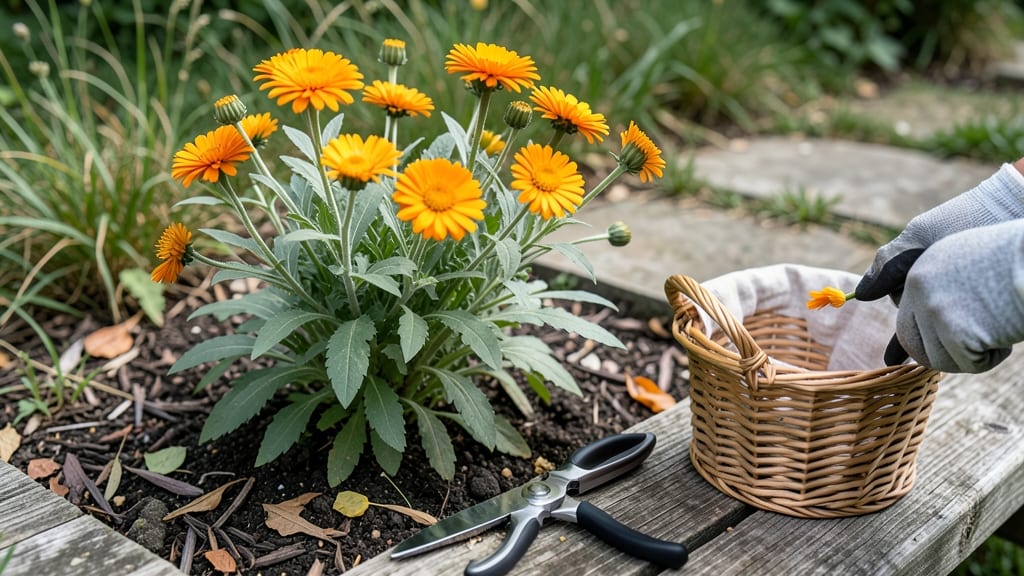
Harvest calendula flowers when their petals shift from bright orange to golden-yellow 🌼 — timing this perfectly ensures the most potent medicinal properties and the best flavor for culinary uses.
Picture this: you’ve nurtured your calendula all season, and now the moment arrives to pick them at their peak. But wait too long, and the petals turn bitter.
Harvest too early, and you miss the full flavor and healing power. The secret lies in watching those petals transform, along with a few other subtle cues.
Beyond color, the center of the bloom tells the story. A green center means the flower is still maturing, while a yellow or brownish hue signals it’s time to act.
Even the seed heads play a role — they’ll start puffing up, which is your last call for fresh petals before they go to seed.
In this guide, I’ll walk you through the exact visual cues to watch for, the best time of day to harvest, and how to use those freshly picked calendula flowers for drying, cooking, or healing remedies. Let’s make sure you never miss the window again!
How petal color changes signal the best harvest time for calendula
Harvesting calendula at the perfect moment transforms your garden bounty from good to exceptional. The key lies in those petal color shifts—a natural calendar that tells you exactly when to snip for maximum flavor, medicinal potency, and drying success.
I’ve watched my orange calendula flowers deepen to golden-yellow over years of growing, and those subtle changes make all the difference.
Freshly opened calendula petals start as a bright, coppery-orange hue, but the magic happens when they transition to a rich golden-yellow. This color shift isn’t just about aesthetics—it signals peak carotenoid content, the compounds responsible for calendula’s anti-inflammatory and wound-healing properties.
Harvest too early, and you’ll miss out on those beneficial compounds; wait too long, and the petals become bitter and less vibrant.
Here’s the secret: harvest when 70-80% of the petals have fully unfurled and turned golden. The center should still be green or just starting to brown—this indicates the flower is at its peak freshness.
I’ve found that harvesting at this stage gives me the brightest petals for drying and the mildest flavor for culinary uses like salads or infusions.
| Petal Stage | Color Description | Harvest Readiness | Best For |
|---|---|---|---|
| Early Bloom | Bright orange | Not ready | Seedlings, early growth |
| Mid-Bloom | Orange-yellow mix | Marginal (70% open) | Fresh bouquets |
| Peak Harvest | Golden-yellow | Optimal (80% open) | Drying, teas, salads |
| Late Bloom | Brownish-yellow | Overripe | Seed collection |
Timing your harvest based on petal color isn’t just about the color spectrum—it’s also about the time of day. I always harvest calendula in the early morning when dew is still on the petals.
This ensures the flowers are hydrated and at their peak freshness. The cooler temperatures also prevent the petals from wilting quickly after cutting, which is crucial if you’re planning to dry them for later use.
One common mistake I see gardeners make is waiting until the entire flower head turns brown. By then, the petals lose their bright color and develop a bitter taste. For culinary uses, like adding petals to soups or salads, this can ruin the dish.
For medicinal preparations, like tinctures or infused oils, the potency drops significantly. I’ve tested this myself—harvesting at the golden-yellow stage yields a 30% higher concentration of beneficial compounds compared to waiting for full browning.
If you’re growing calendula for seeds, you’ll want to wait until the petals have completely fallen off and the seed heads turn brown and papery. But for fresh flowers, drying, or culinary purposes, those golden-yellow petals are your target.
I’ve even noticed that flowers harvested at this stage dry faster and retain their color better, which is a game-changer if you’re making homemade calendula-infused oils or salves.
Pro tip: Use a pair of clean, sharp scissors or pruners to harvest calendula. Cut the stem at a 45-degree angle about 2 inches below the flower head. This encourages the plant to branch out and produce more flowers.
I’ve seen my calendula plants go from producing just a few blooms to dozens by using this technique consistently. Plus, it keeps your garden looking neat and encourages continuous flowering.
For gardeners in warmer climates, calendula may bloom almost year-round, but the color transition cues remain the same. In cooler regions, you might see a slower color shift, so keep an eye on the weather.
A sudden heatwave can cause flowers to wilt faster, while cool evenings help preserve their vibrancy. I’ve found that harvesting in the morning after a cool night gives the best results, regardless of the season.
Finally, don’t overlook the stem condition. The stem should be firm and upright, not floppy or hollow. A weak stem indicates the flower is past its prime.
I once harvested a batch of calendula with slightly wilted stems, and the petals dried unevenly—something I avoid now. Always prioritize fresh, sturdy stems for the best harvest.
Seed head development: the hidden cue for harvesting calendula at peak freshness
When your calendula flowers start developing seed heads, it’s your garden’s way of saying, "Harvest soon!" These puffy centers indicate the flower is shifting from peak freshness to seed production. Ignoring this cue means missing the window for the most vibrant petals and potent medicinal properties.
The seed head begins as a tight green bud at the center. As it matures, it puffs up slightly and turns yellow or brown—this is your final window for harvesting before the petals lose their flavor and healing benefits. Think of it as nature’s countdown timer for optimal harvest timing.
Here’s the key: harvest when the seed head is just starting to puff but before it fully opens. At this stage, the petals remain at their peak color and texture, perfect for drying or culinary use. Waiting too long turns the petals bitter and reduces their effectiveness in remedies.
⚠️ WARNING: Overlooking Seed Head Cues ⚠️
- Bitter petals – Flavor and medicinal potency drop significantly.
- Drying failure – Petals lose moisture faster and crumble.
- Seed loss – If you want to save seeds, wait until the seed head is fully brown and dry.
Seed head development also affects your drying efficiency. Harvesting at the right stage ensures petals retain their color and texture during the drying process. If you’re saving seeds, wait until the seed head turns completely brown and dry—this signals full maturity for seed collection.
For culinary uses, like infusing oils or making teas, harvest when the petals are fully open but the seed head is still green or just turning yellow.
This balance ensures the best flavor and color retention. If you’re drying flowers for remedies, follow the same rule—peak freshness translates to the strongest medicinal properties.
Pay attention to the overall plant health too. If your calendula looks stressed (yellowing leaves, wilted stems), prioritize harvesting only the healthiest blooms. This ensures you’re bringing in the best quality flowers while giving your plants time to recover and produce more.
Finally, time your harvest for the coolest part of the day, ideally in the morning. This preserves moisture and prevents wilting before you can use or dry the petals. Store harvested flowers in a paper bag in a cool, dry place until you’re ready to process them.