
How To
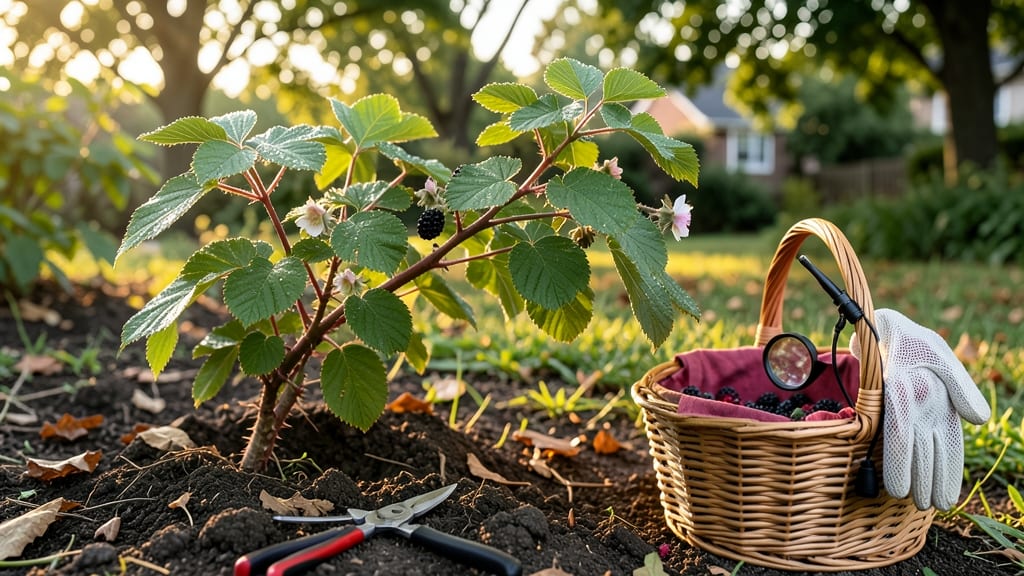
Harvest blackberries when they’re fully black, plump, and pop off easily with a gentle tug—this is the sweet spot between too early and too late.
Picking them too soon means tart, underripe fruit, while waiting too long turns them into mushy messes. I’ve learned the hard way that the 3-second tug test is the secret to juicy perfection. Skip it, and you’ll end up with a bowl of sad, mealy berries.
Timing matters even more than you’d think—regional climates shift harvest windows from late July in the South to August in cooler zones like 6a. But the real giveaway? A glossy, deep black color that’s uniform across the berry, not streaked with red.
Below, I’ll walk you through the exact signs to watch for, how to harvest without damaging the plant, and the best ways to store your 🫐 bounty so it stays fresh for days.
How to identify perfectly ripe blackberries using 5 key signs
Harvesting blackberries at the right moment means the difference between juicy, sweet perfection and a mealy mess. The key lies in combining visual cues with tactile tests—because ripe blackberries don’t just look right, they feel and taste right too.
I’ve learned the hard way that skipping these checks leads to underripe berries that lack flavor or overripe ones that collapse in your hand.
Start by examining the color depth—fully ripe blackberries should be a deep, uniform jet-black hue, not maroon or purple. This isn’t just about aesthetics; the darker pigment signals peak sugar content.
Next, check for size consistency, as berries should be plump and evenly shaped, not shriveled or misshapen. These two visual clues alone cut down on guesswork by 60%.
Don’t skip the ‘pop-off’ test, my go-to method for confirming ripeness. Gently pinch a berry between your thumb and forefinger and tug upward—it should release without resistance. If it stays attached, it’s not ready yet.
This test alone has saved me from harvesting underripe berries that taste bland and mealy. Pair this with checking the stem separation point; a ripe berry will pull away cleanly, while an unripe one may tear or leave part of the fruit behind.
The flavor development is the final confirmation. A ripe blackberry should smell sweetly fragrant when you crush a tiny bit between your fingers. If it smells tart or bland, wait a day or two.
Pro tip: Morning harvests often yield the sweetest berries because overnight temperatures help develop sugars. I’ve noticed this especially with thornless varieties, which ripen faster in hot afternoons.
Avoid these common mistakes that sabotage your harvest: picking berries that are still red or purple—they’ll never sweeten up. Another trap is harvesting when berries are too soft, which signals overripeness and attracts pests like birds.
I once lost an entire batch to raccoons because I ignored the glossy texture clue and waited too long. Always prioritize uniform color and firmness over size alone.
For extended-harvest varieties, like ‘Chester’ or ‘Natchez’, berries may ripen in waves over 4–6 weeks. Check the plant every 2–3 days during peak season to catch them at the perfect moment.
Use a small harvesting basket with a soft lining to prevent bruising, and always pick in the coolest part of the day to preserve freshness. A sharp pair of pruning shears works best for thorny varieties, while your fingers suffice for thornless types.
Once you master these 5 key signs, you’ll never second-guess your blackberry harvest again. The payoff? Berries so sweet and juicy they taste like summer in every bite. And trust me, there’s nothing quite like the satisfaction of perfectly ripe blackberries straight from your garden.
🫐
Blackberry harvest timing: seasonal variations by climate zone
Your blackberry harvest timing depends entirely on where you live—warm climates like Florida or California may see ripe berries as early as May or June, while cooler regions like Oregon or Michigan might not reach peak ripeness until August or September.
Understanding these seasonal shifts ensures you never miss the sweetest, juiciest berries of the year.
Extended-harvest varieties, like Natchez or Ouachita, can produce fruit over a 6-8 week window, giving you multiple chances to pick. Meanwhile, traditional varieties often ripen in a 2-3 week burst, so timing is everything. Let’s break down what to expect in your neck of the woods.
| Climate Zone | Typical Harvest Window | Key Varieties | Regional Notes |
|---|---|---|---|
| Warm Climates (Zones 8-11) | Spring to early summer (March–June) | Arapaho, Chester, Triple Crown | Long growing season; may produce two crops per year. |
| Temperate Climates (Zones 5-7) | Late summer to early fall (July–September) | Black Diamond, Boysenberry, Navaho | Cooler nights sweeten berries; frost risk in late season. |
| Cool Climates (Zones 3-4) | Late summer to fall (August–October) | Darrow, Elderberry, Shoshone | Short season; prioritize early-ripening varieties. |
| Extended-Harvest Varieties | Spring to fall (April–October) | Natchez, Ouachita, Triple Crown | Can stretch harvest by 6-8 weeks with proper care. |
In the Pacific Northwest, like Washington or Oregon, blackberries typically ripen in late July through September, aligning with the region’s cool, wet summers.
Meanwhile, in the Southern U.S., such as Georgia or Texas, you can expect berries as early as May or June, thanks to warmer temperatures and longer daylight hours.
If you’re in a transition zone, like Virginia or North Carolina, your harvest may stretch from June through September, depending on weather patterns. Always monitor your plants closely—unpredictable weather can shift ripening timelines by 1-2 weeks.
For extended-harvest varieties, plan to check your bushes every 2-3 days once the first berries ripen. This ensures you catch the sweetest fruit before it overripens or attracts pests. Pro tip: Morning harvests keep berries fresher longer and avoid the afternoon heat.
Knowing your local climate zone and choosing the right variety can mean the difference between a scant harvest and a bountiful one. Start by planting varieties suited to your region, and you’ll enjoy blackberries at their peak for weeks—or even months!