
How To
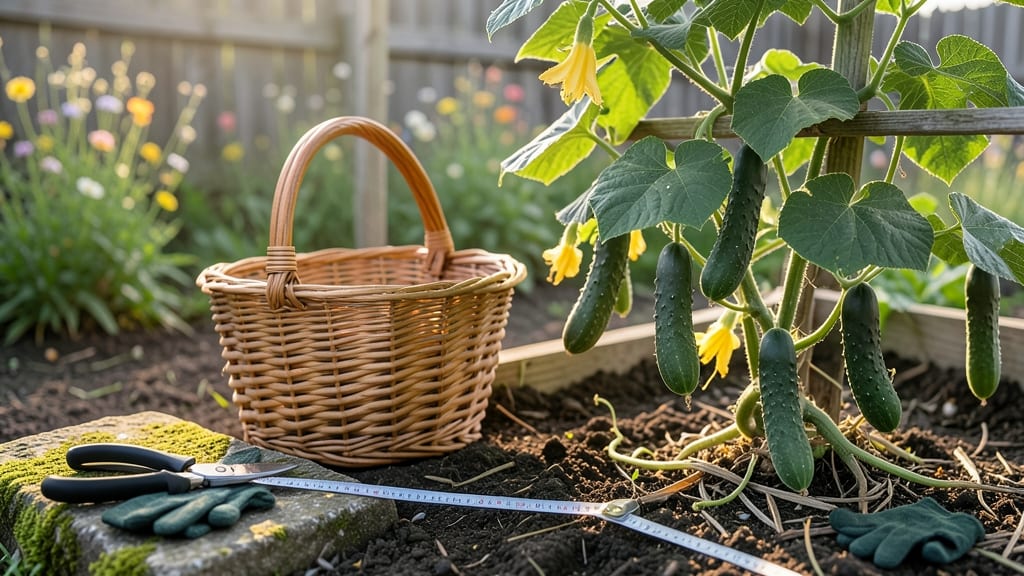
Harvesting Armenian cucumbers at the right time means the difference between a crisp, seedless bite and a mealy, bitter disappointment 🥒 — and the key is knowing when to reach for those slender green gems.
If you’ve ever sliced into a cucumber only to find it woody or seedy, you’re not alone. These cucumbers are finicky about timing, and missing their window means sacrificing the restaurant-quality crunch they’re famous for.
The good news? With just a few simple tactile tests, you can nail the perfect harvest every time.
This isn’t just about size or color—though those matter—it’s about the firmness of the skin, the ease of stem separation, and even the subtle shift in color from pale to deep green.
I’ll walk you through each cue so you can pick them at their peak, ensuring your harvest stays crisp and flavorful from July through September.
Ready to go from guessing to foolproof harvesting? Let’s break down the exact moments to snip, plus how to adjust for your local growing season and avoid the most common mistakes that turn great cucumbers into garden flops.
3 Tactile tests to determine Armenian cucumber harvest readiness
Armenian cucumbers thrive when harvested at the perfect moment—too early and they’re bland, too late and they turn bitter. Unlike their bumpy, seeded cousins, these slender gems rely on tactile cues rather than size alone.
I’ve learned that three simple touch tests can tell you exactly when to snip, ensuring crisp, seedless perfection every time.
First, focus on the skin texture. Overripe Armenian cucumbers develop a waxy, almost slippery surface, while underripe ones feel soft and slightly spongy. The ideal cucumber should have a firm yet slightly yielding skin—like a ripe avocado—with a glossy sheen. This balance guarantees both texture and flavor.
Next, examine the stem separation point. Gently twist the cucumber near its attachment to the vine. If it snaps cleanly with minimal resistance, it’s ready. A stubborn stem means it’s still maturing, while a mushy break signals overripeness. This test is foolproof—no guesswork involved!
Finally, check the seed development by slicing one open (if you’re unsure). Armenian cucumbers are bred to be seedless, but if you spot tiny, undeveloped seeds, harvest earlier next time. The flesh should be crisp and pale green, not yellowing or fibrous.
Press gently—ripe cucumbers yield slightly but don’t dent. Overripe ones feel waxy; underripe ones are soft.
Twist near the vine—clean snap = perfect ripeness. Resistance means it’s not ready; mushiness means it’s past prime.
Slice open—no visible seeds = ideal. Tiny seeds mean harvest earlier next time; yellow flesh = overripe.
Pro tip: Harvest in the morning when cucumbers are coolest and crispest. Use sharp pruning shears to avoid crushing the fruit, and always cut just above a leaf node to encourage more growth. I’ve found that daily checks prevent overgrowth and ensure a steady supply.
Regional variations matter too! In hot climates, cucumbers ripen faster—check every 2–3 days. In cooler areas, they take longer, so extend your checks to every 4–5 days. Pay attention to your plant’s growth rhythm—it’ll tell you when to adjust your schedule.
One common mistake? Waiting for maximum size. Armenian cucumbers won’t improve past 6 inches—they’ll just turn bitter. I’ve seen gardeners leave them on the vine for weeks, only to end up with tough, seedy disappointments. Harvest early and often for the best results!
Store harvested cucumbers in the fridge crisper drawer for up to 5 days, but eat them fresh for peak flavor. The crunch factor drops dramatically after 24 hours off the vine, so prioritize immediate use. Trust your hands—they’re the best tool in your gardening arsenal!
🥒
Optimal harvest windows: day length and growth stages explained
Understanding the day length and growth stages of Armenian cucumbers is key to harvesting at peak flavor and texture. These cucumbers thrive when day lengths shift from short spring days to long summer daylight, signaling their ideal ripening window.
In USDA Zone 6a, this typically aligns with July through September, but regional variations can shift your harvest timeline by weeks.
Your Armenian cucumbers rely on 14+ hours of daylight to trigger their final growth phase. This extended light exposure boosts photosynthesis, which directly impacts sugar development and skin firmness.
If you're in a shorter-day climate (like Pacific Northwest), your harvest may peak earlier, while longer-day regions (like the Southeast) can enjoy a prolonged season. Pay close attention to your local sunset/sunrise times—they’re your best predictor of when to start checking for ripe cucumbers.
Growth stages also dictate harvest windows. Armenian cucumbers follow a predictable 45-75 day cycle from seed to harvest, but their optimal ripeness window occurs between day 50 and 60. During this phase, cucumbers grow most rapidly, and their tactile cues (like stem separation and glossy skin) become most pronounced. Missing this window means sacrificing crispness for bitterness as seeds mature.
| Growth Stage | Day Length Requirement | Harvest Window | Climate Adjustments |
|---|---|---|---|
| Early Vegetative | 10-12 hours | N/A (Pre-harvest) | Plant after last frost |
| Flowering | 12-14 hours | Early checks (3-4 in) | Extend season with row covers |
| Peak Production | 14+ hours | 4-6 inches (ideal) | Harvest 2x weekly for yield |
| Late Season | 12-14 hours | Smaller batches (5+ in) | Use black plastic mulch |
In early-season harvests, cucumbers mature faster due to warmer soil temperatures and longer daylight. I’ve found that in Zone 7+, my Armenian cucumbers hit peak ripeness by mid-July, while in cooler coastal areas, the window stretches into early September.
To adjust, monitor your plants’ growth rate—if cucumbers reach 4 inches in 45 days, you’re in a fast-cycle climate. If they take 60+ days, extend your harvest checks by a week.
Late-season adjustments are equally critical. As day lengths shorten in late summer, cucumbers may slow their growth or develop bitter flavors if left on the vine too long. In my garden, I harvest every 3 days during this phase to prevent overripening.
If your region experiences early frosts, prioritize harvesting smaller cucumbers (3-4 inches) to enjoy them before the first 32°F night.
Pro tip: Use a growth journal to track your cucumbers’ progress. Note the first harvest date, day length, and cucumber size—this data helps you predict future seasons.
For example, if your cucumbers peaked at 5 inches under 15-hour days, you’ll know to harvest slightly earlier next year in the same climate. Consistency in light exposure and harvest timing is the secret to a bountiful, flavorful Armenian cucumber season. 🌱