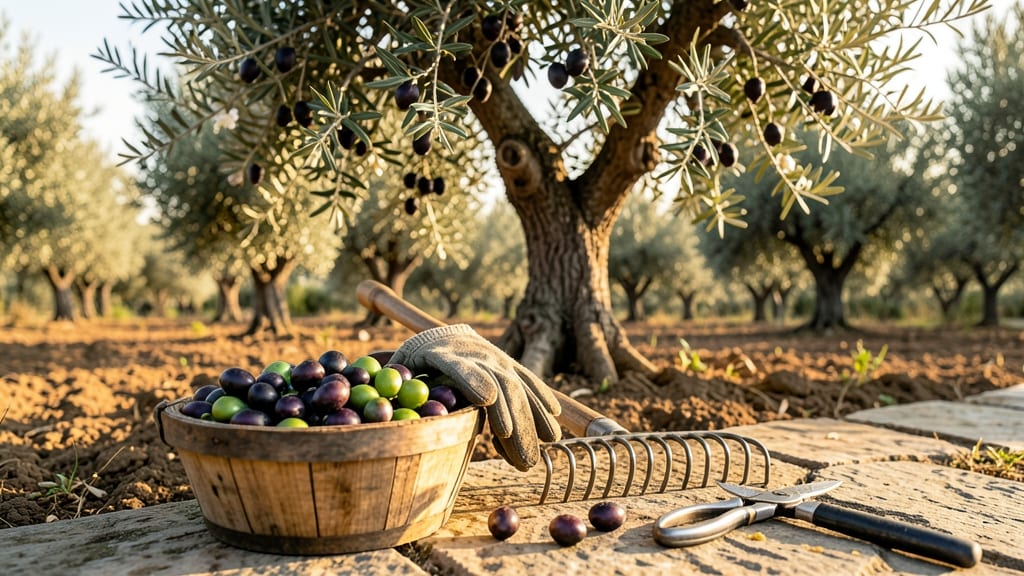
Italy’s olive harvest happens from late autumn through winter 🫒, with the exact timing depending on the region and variety—think October to January for most of the country.
Picture this: rolling hills blanketed in purple-black olives, the air thick with the scent of freshly pressed oil, and local festivals celebrating the season’s bounty. Missing the harvest window means missing the peak flavor in your oil—or worse, the chance to witness one of Italy’s most vibrant traditions.
Northern regions like Tuscany and Umbria typically start harvesting in October or November, while southern areas such as Puglia and Calabria stretch into December or even January.
Varieties like Frantoio ripen earlier, while Coratina holds onto its fruit longer, making the timing as much about the tree as the weather.
Below, I’ll break down the month-by-month harvest schedule by region, share how to spot the perfect olive, and even tell you when to plan your trip if you want to experience it firsthand.
🫒
Is Your Olive Ready?
Check these signs before picking
✓
Fruit changes color from green to purple/black (for ripe olives)
📏
✓
Olives detach easily from the tree when gently shaken
👍
✓
Skin is firm but not hard, indicating full maturity
🟢
✓
Local tradition or historical harvest dates align with current fruit condition
✂️
Olive harvest timing in Italy by region: month-by-month guide
Timing your visit to Italy’s olive orchards for the harvest season is like catching a wave—miss it, and you’ll miss the peak flavor and golden oil that define Italy’s $1.5 billion olive industry.
The harvest window isn’t one-size-fits-all: while Puglia’s olives ripen as early as September, Calabria’s groves may still be laden with fruit well into November. These differences stem from microclimates, altitude, and olive varieties, creating a patchwork of harvest timelines across the country.
Understanding these regional nuances is key, especially if you’re planning a trip or sourcing fresh olives. For example, Tuscany’s harvest often begins in late October, aligning with its cooler climate, while Sicily’s southern exposure can delay harvests until December.
Even within a single region, a grove at 2,000 feet elevation may harvest 2-3 weeks later than one at sea level due to cooler temperatures.
Let’s break down the month-by-month harvest windows for Italy’s top 10 olive-producing regions, so you know exactly when to expect the best olives and freshest oil.
🌱 Pro Tip: If you’re visiting olive farms, always call ahead to confirm harvest dates—some groves adjust their schedules based on weather patterns or local festivals. Many offer hands-on harvesting experiences, where you can pick olives straight from the tree and learn how to judge ripeness.
Region
Primary Varieties
Harvest Window
Key Factors
Best For
Puglia
Ogliarola, Cellina di Nardò
Late September to early November
Warm climate, low altitude
Table olives, early oil
Tuscany
Frantoio, Leccino
Mid October to late November
Cooler nights, hilly terrain
Extra virgin oil
Calabria
Moresca, Dolce Agogia
Late October to December
High humidity, coastal winds
Late-season oil
Umbria
Frantoio, Leccino
Early October to mid November
Mountainous, cooler climate
High-quality oil
Sicily
Nocellara, Moresca
Late October to January
Warmest region, delayed ripening
Table olives, late oil
Lazio
Leccino, Frantoio
Mid October to late November
Mediterranean climate
Balanced oil
Apulia (Puglia)
Ogliarola, Cellina
Late September to early November
Early ripening varieties
Fresh table olives
Campania
Ravece, Ortolana
Late October to December
Volcanic soil, warm climate
Intense oil flavors
Emilia-Romagna
Frantoio, Leccino
Mid October to late November
Cooler, northern climate
Mild oil profiles
Best olive varieties for harvest and their ideal picking windows
Italy’s olive varieties are legendary, each boasting unique flavor profiles and harvest windows that determine whether they’re perfect for extra virgin oil or table olives.
The Frantoio and Leccino varieties, for example, are prized for their high oil yields and peak in October-November, while Coratina and Ogliarola shine in November-December with bold, peppery notes. Timing your harvest right ensures you capture the peak flavor and optimal oil quality—or risk bitter, underripe fruit.
To navigate this, I’ve broken down Italy’s top 8 olive varieties by their ideal harvest months, flavor characteristics, and whether they’re better suited for culinary use or oil production.
Below, you’ll find a rating-bar for each variety’s dual-purpose potential, plus pro tips for spotting peak ripeness in the field. Whether you’re a home grower or a traveler planning a harvest visit, these insights will help you time your pick perfectly.
Olive Variety Harvest Guide
Variety
Harvest Months
Oil Yield
Table Olives
Flavor Profile
Frantoio
Oct-Nov
Medium, grassy, slightly bitter
Leccino
Oct-Nov
Mild, fruity, low bitterness
Coratina
Nov-Dec
Bold, peppery, robust
Ogliarola
Nov-Dec
Rich, buttery, slightly spicy
Frantoio
Oct-Nov
Medium, grassy, slightly bitter
Key: Oil Yield (gold bar) and Table Olive Suitability (purple bar) rated 0-100%. Frantoio and Leccino excel in oil, while Coratina and