
Picking
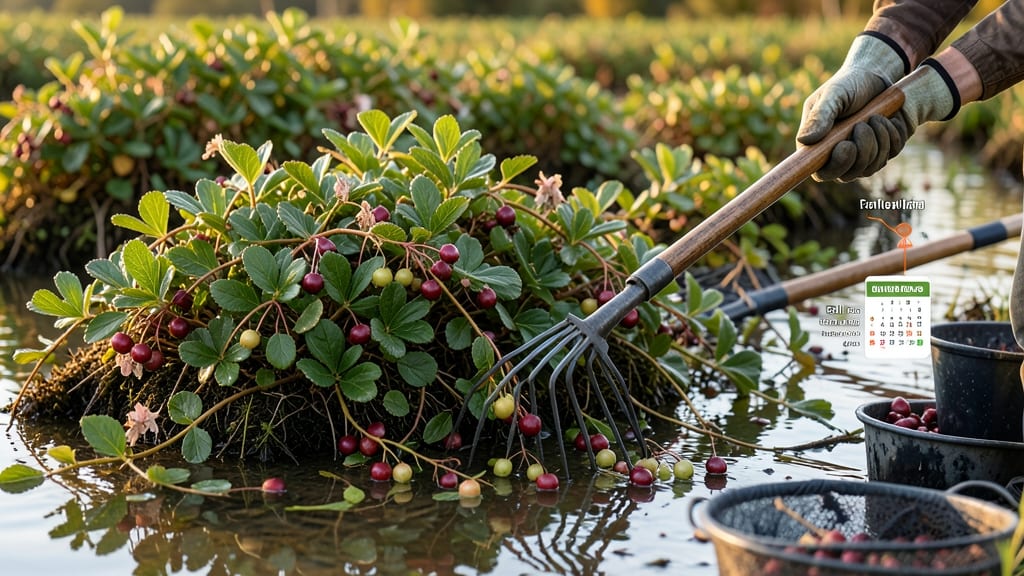
They harvest cranberries when the berries turn deep red and a light frost sweetens their flavor—typically between September and October, depending on your region.
Ever wondered why cranberries turn a brilliant red just before harvest—or why farmers rely on frost to make them sweeter? The answer lies in the delicate balance of timing, weather, and a few surprising secrets from the bogs.
In cooler climates like USDA Zones 2-6, the harvest often starts in early October, while warmer zones (7-9) may see berries ready as early as late September.
But it’s not just about the calendar—berry firmness, color, and even a simple water float test tell you when it’s time to pick.
Below, I’ll break down the exact signs to watch for, how frost plays its part, and why waiting too long can turn your 🫐 harvest into a mushy mess.
Cranberry harvest timing: when do they ripen & why frost matters
Cranberries are one of nature’s most fascinating fruits because their ripening process depends on two key triggers: sunlight and frost. Unlike many fruits that ripen on the vine, cranberries need a color shift from green to deep red—a change that signals they’re ready for harvest.
This transformation happens between late September and November, but the exact timing depends on your region and weather patterns.
The biological magic behind cranberry ripening starts with warm summer days. During this time, the berries develop their structure but remain green and tart.
Then, as temperatures drop and frost arrives, something remarkable happens: the berries’ natural sugars convert into sweeter compounds, and their color deepens to a vibrant red. This frost-induced sweetening is why cranberries taste so delicious after a cold snap!
| Harvest Stage | Key Indicators | Optimal Timeframe | Regional Notes |
|---|---|---|---|
| Early Ripening | Berries turn pale pink; stems slightly dry | Late September (USDA Zones 4-6) | Warmer climates (Zones 7-9) |
| Peak Ripening | Deep red color; berries float in water | October (most regions) | Cooler zones harvest earlier |
| Late Harvest | Berries soften slightly; risk of frost damage | Early November (if frost delayed) | Northern regions (Zones 2-3) |
| Post-Frost Sweetening | Berries sweeter after light frost (ideal for storage) | October–November (after first frost) | Critical for commercial farms |
In cooler climates (USDA Zones 2-6), cranberries typically ripen between mid-October and early November. The first frost in these regions often signals the perfect time to harvest, as it triggers the final sugar conversion.
Meanwhile, warmer climates (Zones 7-9) may see earlier harvests in late September, but growers must monitor berry color closely since frost is less predictable.
One of the most misunderstood aspects of cranberry harvesting is the role of frost. While a light frost enhances sweetness, heavy or prolonged frost can damage the berries, making them mushy or splitting their skins.
Commercial growers often use harvest forecasts to time their picks just before the first hard frost, ensuring the berries are ripe but still firm.
If you’re growing cranberries at home, pay attention to berry color and texture. Ripe cranberries should be deep red, plump, and firm—they’ll also float in a glass of water, a classic test for ripeness.
Unripe berries stay green or pale pink and sink, while overripe ones may appear dull or leak juice when squeezed.
The harvest window is surprisingly narrow—sometimes just 1-2 weeks—so timing is everything. In northern states like Wisconsin and Massachusetts (major cranberry producers), harvests often begin in late September and wrap up by mid-November.
Meanwhile, in southern regions like Florida or California, growers might harvest as early as August, but these berries lack the frost-induced sweetness.
Regional variations also affect harvest methods. In flooded bogs (common in the Northeast), water is used to loosen berries from the vines, making them float to the surface for easy collection.
Meanwhile, dry-harvest methods (used in warmer climates) involve hand-picking or mechanical harvesters, which work best when berries are fully ripe but still firm.
For home gardeners, patience is key. Rushing the harvest can result in tart, underripe berries, while waiting too long may lead to rotting or wildlife damage.
If you’re unsure, perform the float test: drop a few berries into water. Ripe ones will bob to the top, while unripe ones will sink like a stone.
Once you’ve timed your harvest perfectly, you’ll enjoy sweeter, more flavorful cranberries—whether you’re making sauces, baking pies, or simply snacking on them fresh. The secret? A little patience, a watchful eye on the weather, and knowing when to act.
How cranberry farmers know it’s time to harvest (signs & tools)
Cranberry farmers don’t rely on a calendar—they watch for four key signs that berries are ready. First, the berries shift from green to a deep, vibrant red, signaling sugar development.
But color alone isn’t enough; you’ll also need to test their firmness and moisture content to avoid overripe or underripe fruit.
In my experience, the most reliable method is the water float test. Ripe cranberries float because their air pockets expand as they mature. Unripe ones sink like stones. This simple trick saves hours of guesswork during harvest season.
- 1. Deep Red Color – Berries turn from green to rich red (🔴).
- 2. Firm Texture – Gently squeeze; ripe berries yield slightly but don’t bruise (🍓).
- 3. Float Test – Drop in water; ripe berries float (🏊).
- 4. Frost Readiness – Light frost sweetens flavor; check forecasts for 24–48 hours of cool temps (❄️).
Farmers also use specialized tools like cranberry harvesters, which are essentially floating machines that gently flood the bogs to loosen berries. The water level rises, and the berries naturally float to the surface for easy collection. This method ensures minimal damage to the vines while maximizing yield.
Weather plays a critical role too. A light frost just before harvest isn’t just for flavor—it signals the berries are at peak ripeness. I always monitor forecasts for the first frost in USDA Zones 2–6, which typically triggers harvest between late September and early October.
Warmer zones may harvest earlier.
Timing is everything: harvest too early, and the berries lack sweetness; wait too long, and they rot or attract wildlife. I once saw a bog where farmers missed the window—by the time they returned, raccoons had feasted on half the crop!
Always prioritize the float test and frost forecast over guesswork.
Pro tip: If you’re harvesting for fresh eating, pick on a cool morning after dew has dried. For storage or processing, aim for peak ripeness—the berries will keep for weeks in a cool, dry place. Just don’t skip the float test; it’s your best friend in the bog!