
Picking
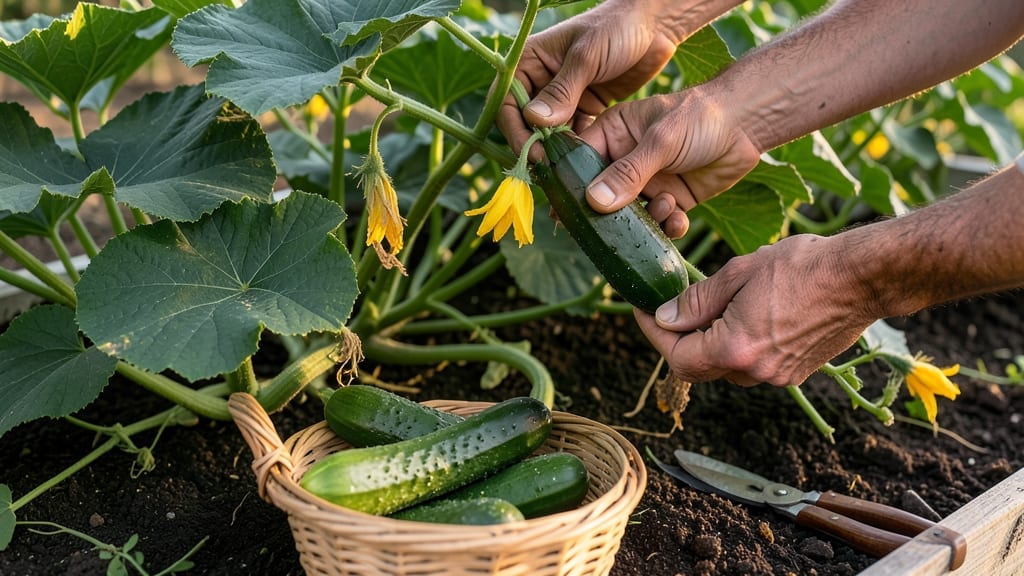
Harvesting cucumbers in the right month ensures you get crisp, sweet fruits instead of bitter, seedy ones — and timing depends on where you live.
Picture this: you’ve spent weeks tending to your 🥒 plants, only to find your cucumbers turning tough and bitter by late summer. That’s because missing the harvest window can ruin your entire crop.
Whether you’re in a warm Southern climate or a cooler Northern zone, knowing when to pick makes all the difference.
In most temperate regions, cucumbers are ready to harvest between July and September, but the exact month varies. Southern growers might start as early as June, while Northern gardeners may wait until August. The key is watching for size, color, and firmness—not just the calendar.
Below, I’ll break down the best months by region, how to tell when cucumbers are perfectly ripe, and simple tricks to keep your plants producing all season long. No more wasted harvests!
Best cucumber harvest months by USDA growing Zones
Harvesting cucumbers at the right time guarantees sweet, tender fruits—but your USDA zone dictates the perfect window. In Zone 3, for example, you’ll pick in July-August after a short growing season, while Zone 11 gardeners enjoy harvests from March through November.
Regional heat and cold extremes also shift timing, so knowing your zone’s frost dates is key to avoiding bitter, overripe cucumbers.
Early varieties like 'Straight Eight' mature in 50-55 days, while late-season types such as 'Diva' take 70+ days. Southern climates (Zones 8-11) often see year-round harvests with proper care, while Northern gardeners (Zones 3-5) must act fast before frost.
Let’s break down the best months for each zone to maximize your yield.
| USDA Zone | Primary Harvest Months | Early Variety Examples | Late Variety Examples | Key Regional Notes |
|---|---|---|---|---|
| Zones 3-4 | July–August | 'Bush Champion' | 'Sweet Success' | Short season; use row covers |
| Zones 5-6 | June–September | 'Dasher II' | 'Marketmore' | Cool nights slow growth |
| Zones 7-8 | May–October | 'Socrates' | 'Corinto' | Heat stress risks in July |
| Zones 9-10 | March–November | 'Armenian' | 'SuYo Long' | Year-round with shade cloth |
| Zone 11 | All year (peaks Jan–Feb, Sep–Oct) | 'Lemon' | 'Tasty Green' | Avoid midday heat; mulch heavily |
In Zones 3-4, where summers are short, focus on early-maturing varieties like 'Bush Champion' to harvest before frost. These cucumbers typically ripen in 50-55 days, so plant seeds indoors 4-6 weeks before your last frost date.
Use black plastic mulch to warm soil and extend the season by 2-3 weeks.
For Zones 5-6, aim to harvest from June through September, but watch for cool nights that slow growth. Plant heat-tolerant varieties like 'Dasher II' and succession-plant every 2 weeks for continuous harvests. In July-August, provide afternoon shade to prevent sunscald on fruits.
Southern gardeners in Zones 7-10 enjoy longer harvest windows, but heat stress in July can reduce yields. Choose disease-resistant varieties like 'Corinto' and harvest every 2-3 days to prevent overripe cucumbers.
In Zone 11, cucumbers grow year-round, but summer heat (above 95°F) causes bitterness—harvest early in the morning when fruits are cool.
Pro tip: In Zones 8-11, use shade cloth during peak summer to maintain quality. For Zones 3-6, extend the season with row covers or cold frames. Always harvest when cucumbers reach 6-8 inches and the stem end turns yellowish-white—this ensures peak flavor and texture.
Regional variations matter too! In humid Southeast zones, downy mildew risks peak in August-September, so rotate crops and avoid overhead watering. Meanwhile, dry Southwest zones (like Zone
How to tell when cucumbers are perfectly ripe for harvesting
Harvesting cucumbers at the right moment transforms your garden into a crisp, flavorful bounty. The trick lies in reading visual cues and understanding how variety type affects ripeness. Pick too early, and you’ll get bland, underdeveloped fruits; wait too long, and bitterness or seedy centers ruin the experience.
For fresh eating, timing is everything—especially when you’re aiming for that perfect 6-8 inch size.
Cucumbers meant for pickling often need harvesting earlier than slicing varieties. Heirloom types like 'Straight Eight' or 'Lemon Cucumber' develop unique flavors when left slightly larger, while burpless hybrids like 'Sweet Success' should be picked at 4-6 inches for maximum tenderness.
The key? Consistent checks every 2-3 days during peak production months.
Don’t rely solely on size—color consistency is your best friend. A cucumber with uneven yellowing or soft spots has overstayed its welcome. Pro tip: Use a sharp knife or pruners to harvest, leaving a ¼-inch stem attached.
This prevents disease entry and helps identify future ripe cucumbers by their stem color changes.
For continuous production, I harvest my cucumbers every morning during peak season (July-August in most zones). This encourages more flowers and prevents the plant from diverting energy to overripe fruits.
In warmer climates (Zones 9-11), cucumbers may produce year-round, but taste declines in extreme heat—so prioritize harvesting during cooler morning hours.
Watch for overripe warning signs: blooming yellow flowers on the vine signal the plant is shifting energy to seeds. If you see this, harvest immediately or risk bitter, seedy cucumbers.
For pickling varieties, aim for 3-4 inches and harvest when the skin is firm but the seeds are just starting to develop—this locks in that perfect crunch for fermenting.
Remember: Harvest frequency directly impacts yield. My bush varieties produce 30-40% more when picked every 2-3 days versus weekly harvesting. And if you’re in Zone 4 or colder, focus on early-maturing varieties like 'Bush Champion' to maximize your short growing season.