
Picking
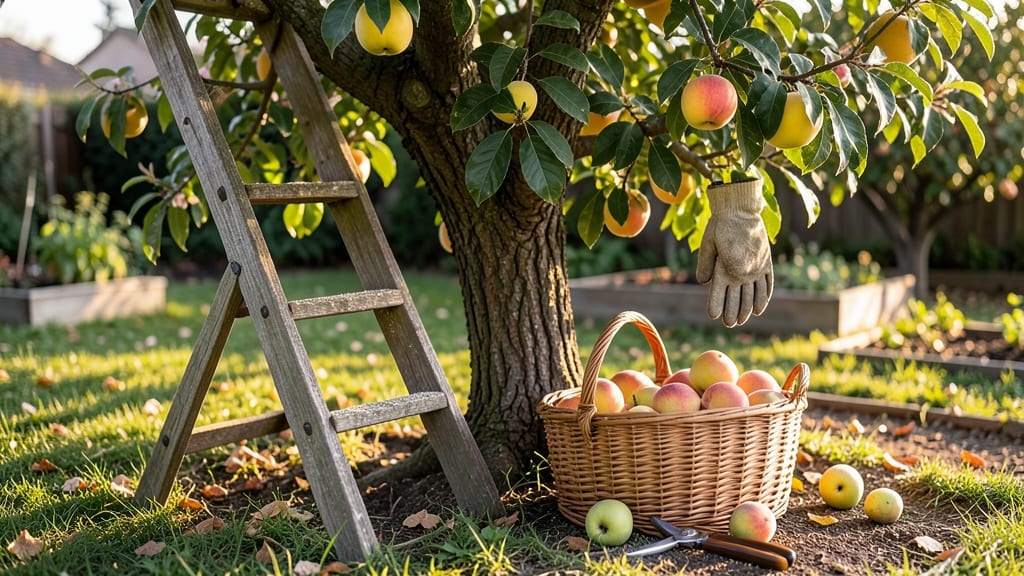
The time to harvest peaches is when they’re fully colored, slightly soft to touch, and release easily from the tree—usually between July and September, depending on your variety and zone.
Picture this: you bite into a peach so juicy it drips down your chin, only to realize you picked it too early. That’s the mealy disappointment of harvesting too soon, and it happens more often than you’d think.
The good news? With the right cues—color, scent, and the famous "thump test"—you can nail the perfect window every time.
Peach harvest time isn’t one-size-fits-all. Early-season varieties like Redhaven ripen in late July, while late bloomers like Elberta peak in September. Your USDA zone also shifts the calendar by weeks, so knowing your local frost dates and variety traits is half the battle.
In this guide, I’ll break down the exact ripeness tests, regional harvest windows, and post-pick care to keep your peaches tasting fresh for weeks—not just days. Let’s make sure your orchard’s bounty stays sweet, not sour.


Peach harvest time by variety: the ripening schedule you can’t afford to miss
Timing your peach harvest is an art that balances sweetness, texture, and storage potential. Each variety ripens on its own schedule, and missing the window by even a few days can mean the difference between juicy perfection and mealy disappointment.
Whether you're growing freestone or clingstone varieties, understanding these ripening cues will help you maximize your orchard’s bounty.
Peaches typically mature between July and September, but the exact timing depends on your USDA zone, variety, and even last year’s weather.
Early-season varieties like Redhaven or Elberta may ripen as early as mid-July in warmer zones, while late-season varieties like Contender or Suncrest can linger until late September. Adjust your expectations based on your local climate to avoid picking too soon or too late.
| Variety Type | Common Varieties | Harvest Window (USDA Zone 5-9) | Key Ripeness Cues | Storage Potential |
|---|---|---|---|---|
| Early-Season Freestone | Redhaven, Elberta, June Gold | Mid-July to early August | Deep yellow/red blush, slight softness, fragrant aroma | 1-2 weeks (best eaten fresh) |
| Mid-Season Freestone | Flavorgrande, Reliance, Contender | Late July to mid-August | Full color, stem snaps cleanly, slight give when pressed | 2-3 weeks (good for canning) |
| Late-Season Freestone | Suncrest, O'Henry, Tropic Beauty | Late August to early September | Rich red/yellow hue, intense fragrance, soft but not mushy | 3-4 weeks (best for long-term storage) |
| Clingstone (Canning Varieties) | Halford, Babcock, Carolina Queen | Early August to late August | Firm but yielding flesh, uniform color, minimal bruising | Up to 6 weeks (ideal for preserving) |
For gardeners in USDA zones 5-6, expect your harvest to shift slightly later—sometimes by 1-2 weeks—due to cooler temperatures. For example, Redhaven peaches in Zone 5 might not ripen until early August, while the same variety in Zone 8 could be ready by mid-July.
Always monitor your fruit’s progress and adjust your expectations based on local weather patterns.
One of the most reliable ways to test peach ripeness is by checking the blossom end of the fruit. When fully ripe, this area will deepen in color—think yellow-gold for white-fleshed varieties or deep red for red-skinned types.
Paired with a slight softness when gently pressed (like a ripe avocado), this is your green light to harvest. If the fruit feels rock-hard or the blossom end is still green, wait a few more days.
Don’t overlook the scent test, either. A ripe peach releases a sweet, floral aroma when gently squeezed. If your peaches lack this fragrance, they’re likely not ready. Overripe peaches, on the other hand, develop a fermented smell and may have shriveled skin or soft spots.
These are signs you’ve missed the window and should be harvested immediately for immediate use.
If you’re growing multiple varieties, prioritize harvesting early-season peaches first, as they ripen faster and are more prone to overripening. Use a fruit picker or small pruning shears to avoid damaging the tree, and always twist the fruit gently to separate it from the stem.
Never pull peaches off the tree, as this can tear the fruit and reduce its shelf life.
For long-term storage, harvest peaches when they’re slightly firm but ripe—this ensures they’ll ripen further off the tree. Store them in a single layer in the refrigerator, where they’ll keep for 1-3 weeks depending on the variety.
Freestone peaches, like Flavorgrande, store best at room temperature for short-term enjoyment, while clingstone varieties hold up better in cold storage for canning or freezing.
Pro tip: Keep a harvest journal to track when your peaches ripen each year. Note the variety, your USDA zone, and any unusual weather patterns. Over time, you’ll develop an intuitive sense of when to expect your peaches to reach peak ripeness, making future harvests even more successful.
How to test peach ripeness: 3 non-negotiable methods for perfect picking
Peaches don’t ripen evenly on the tree, so relying on a single cue—like color—can lead to disappointing results. Instead, combine these three ripeness tests to guarantee peak flavor and texture. The first clue is the blossom-end color, where the fruit meets the stem.
For yellow-fleshed varieties, this area should turn golden. Red-skinned peaches like Redhaven will show deep red blush here.
Next, check the stem resistance. A ripe peach should separate cleanly from the tree when you gently twist the fruit. If the stem snaps off with a slight crack, that’s your green light. Never pull—always twist—to avoid damaging the tree.
This test works best in the morning when fruit is cool and firmest.
Finally, the thump test is your final check. Hold the peach in one hand and tap it gently with your other fingers. A ripe peach will give slightly, like a ripe avocado, while an unripe one feels hard and hollow-sounding.
Overripe peaches will feel mushy and may leak juice when pressed.
- 1. Blossom-End Color: Yellow varieties turn golden near the stem; red varieties deepen in red blush. 🍑
- 2. Stem Resistance: Twist gently—ripe peaches separate cleanly with a slight snap. Avoid pulling to protect the tree. ✂️
- 3. Thump Test: Tap gently—ripe peaches yield slightly like a ripe avocado. Hard = unripe; mushy = overripe. 🤏
Adjust your harvest timing based on whether you’re eating peaches fresh or storing them. For short-term eating, pick when the fruit is fully colored but still firm.
These peaches will ripen another 1-2 days off the tree. For long-term storage, harvest slightly firmer than peak ripeness to prevent bruising during transport or cold storage.
Tricky varieties like Elberta (a late-season peach) may need an extra day or two on the tree. If you’re unsure, pick a few peaches a day apart and taste-test. Store them at room temperature until fully ripe—never refrigerate until they’re ready to eat, or they’ll lose flavor and texture.
Remember, peaches continue ripening after picking, but only for about 3-5 days. Once they’re overripe, their sugar converts to starch, turning them mealy. Master these tests, and you’ll never waste another peach again—just pure, sweet success. 🌱