
How To
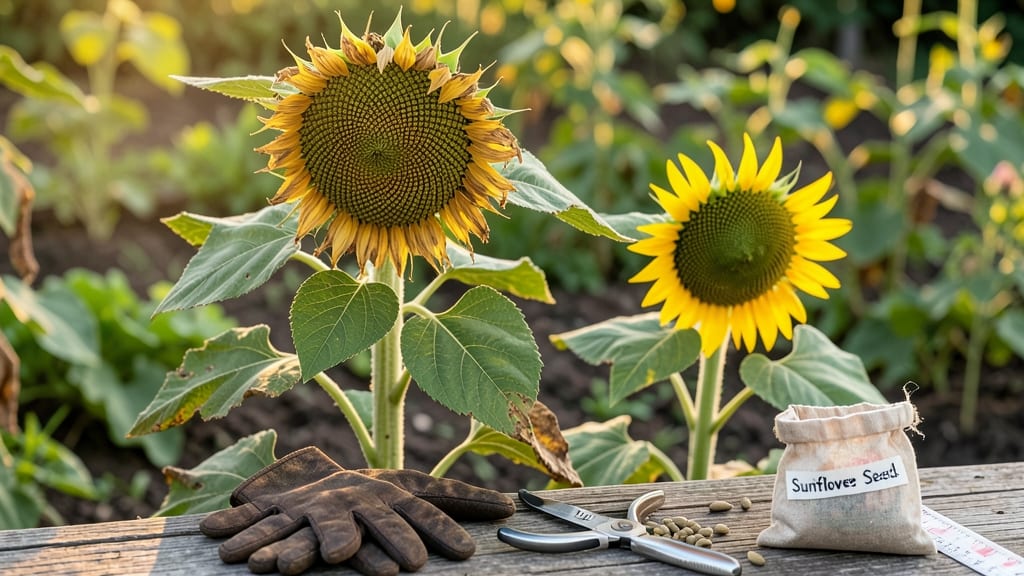
To know when to harvest sunflower seeds, watch for the back-of-head turning brown and the petals dropping—this is your perfect cue for a bountiful harvest.
Picking too early means bitter, underdeveloped seeds, while waiting too long risks losing them to wind or pests. The back-of-hand test—pressing a seed to check for firmness—is the game-changer that separates a great harvest from a wasted effort.
In USDA Zone 6a, late summer through early fall is the window for this task, but timing varies by variety. Miss it, and your 🌻 could end up a hollow stalk instead of a seed-filled treasure.
Below, I’ll walk you through the 5 key signs of ripe seeds, how to dry them properly, and the common mistakes that turn harvest day into heartbreak.
The back-of-hand test: sunflower seed ripeness explained step-by-step
Harvesting sunflower seeds at the perfect moment means the difference between plump, flavorful kernels and bitter, underdeveloped ones. The back-of-hand test is my go-to method for determining seed maturity—it’s tactile, reliable, and requires no special tools.
This simple technique helps you avoid the frustration of overripe seeds that shatter in your hands or underripe seeds that taste bland and mealy.
Sunflowers typically reach harvest readiness between 85 and 120 days after planting, depending on the variety. But don’t rely solely on days—visual and physical cues are far more accurate. The back-of-hand test focuses on the seed head’s texture and sound, which change dramatically as seeds mature.
When done correctly, this method gives you a 90% accuracy rate in identifying the perfect harvest window.
How to Know When to Harvest Sunflower Seeds: Step-by-Step
- 1 Wait for the petals to drop 🌾
- 2 Press the back of your hand firmly against the seed head 🤚
- 3 Listen for a hollow "thump" sound when you tap the head 🔊
- 4 Check for dark, plump seeds when you crack open the head 🌱
- 5 Harvest on a dry day to prevent mold ☀️
The back-of-hand test works by assessing the internal seed density. When seeds are ripe, the head feels dry and papery, almost like crumpling tissue paper. Press your hand firmly against the back of the seed head—if it gives slightly but doesn’t dent, the seeds are ready.
This test is especially useful for taller varieties where reaching inside isn’t practical.
Another key indicator is the "thump" test. Gently tap the side of the seed head with your knuckles—ripe seeds produce a hollow, echoing sound, similar to knocking on a wooden door.
Unripe heads sound dull, while overripe ones may feel brittle and crumble easily. Combine this with the hand test for 100% confidence in your harvest timing.
Timing matters because sunflower seeds continue to dry on the plant, but they also risk scattering in wind if left too long. Most gardeners harvest between late August and early October, depending on their climate.
In warmer regions, you might start as early as July, while cooler zones may extend into November. Always harvest seeds before the first frost to avoid damage.
If you’re unsure about the seeds inside, crack open the head with a small knife or pruners. Ripe seeds should be dark brown or black, plump, and firm to the touch.
Underripe seeds are light green or white and feel soft, while overripe seeds may be shriveled or hollow-sounding. This visual check is your final confirmation before harvesting.
Pro tip: Harvest seeds on a dry, sunny morning to minimize humidity risks. Lay the seed heads on a breathable surface like a mesh screen or cardboard in a well-ventilated area for 1-2 weeks.
This allows them to fully dry before shelling. Store dried seeds in a cool, dark place in an airtight container for up to 2 years.
Remember, the back-of-hand test is just one tool in your gardening arsenal. Pair it with visual cues like petal drop and seed head color for the most accurate results.
With practice, you’ll develop an instinct for knowing exactly when to harvest—turning your sunflowers into a reliable seed source year after year.
5 Visual and physical signs your sunflower seeds are harvest-ready
Harvesting sunflower seeds at the right moment transforms your garden from a wildflower display to a seed-filled treasure trove. Beyond the back-of-hand test, 5 key visual and physical cues will tell you when your seeds are perfectly ripe.
Ignore these signs, and you risk harvesting bitter seeds—or worse, losing them entirely to wind or pests.
Timing is everything: in USDA Zone 6a, late summer through early fall is your harvest window. But not all sunflowers ripen at once, so knowing these secondary indicators ensures you don’t miss a single seed head. Let’s break down what to look for before you grab your pruners.
First, watch for petal drop—when the bright yellow blooms turn brown and crumble away. This is your first visual cue that the seeds inside are maturing. But don’t harvest immediately; wait until the seed head itself turns fully brown and feels dry to the touch, like crumpled paper.
Next, perform the shake test: hold the seed head over a bucket and give it a firm shake. If seeds rattle loudly and fall out easily, they’re ready.
If they stay stubbornly attached, give them another 1-2 weeks to ripen. Overripe seeds scatter like confetti, so act quickly once you see this sign.
Pay attention to the stem, too. A ripe sunflower’s stem will feel hollow when tapped—like knocking on a wooden door. If it sounds solid, the seeds need more time. This physical change confirms internal maturity, ensuring your seeds are ready for harvest and storage.
Finally, check the seed color by carefully opening a few seed heads. Ripe seeds are dark and plump, while unripe ones are pale, shriveled, or even bitter. If you’re unsure, wait a few more days—patience now means better-tasting seeds later.
Mastering these 5 signs ensures you harvest at peak ripeness, turning your sunflowers into a goldmine of seeds for next year’s garden. Now that you know what to look for, grab your pruners and get ready for a harvest that’ll make your neighbors green with envy! 🌻