
How To
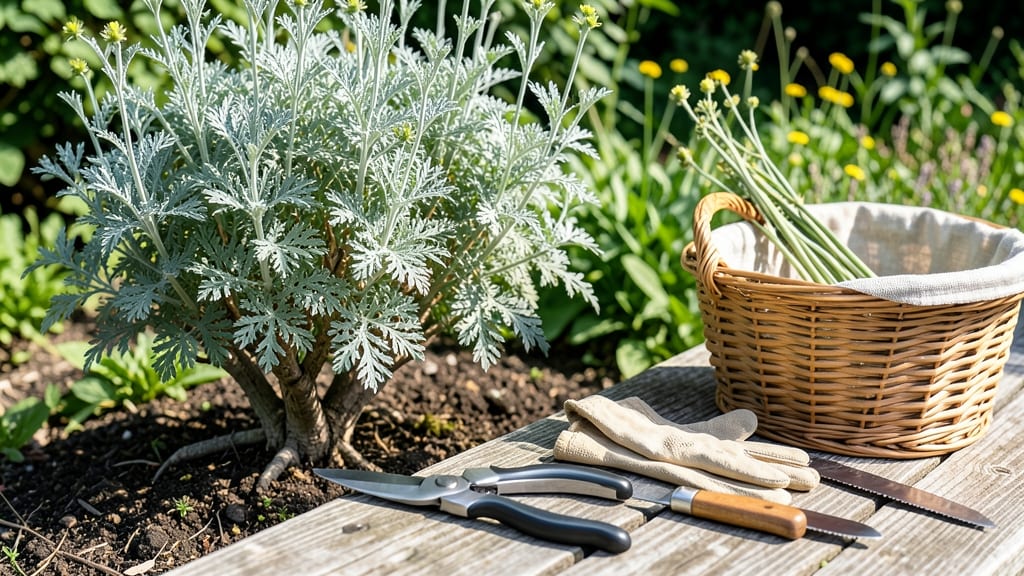
To harvest wormwood at its peak flavor and potency, time your cuts between July and September when the leaves are fully developed and aromatic 🌿.
Wormwood isn’t just a hardy perennial—it’s a powerhouse herb with medicinal and culinary uses, but harvesting it at the wrong time can ruin its bittersweet flavor. Learn the exact techniques to maximize potency and avoid common mistakes that even experienced gardeners make.
Most gardeners assume you can harvest wormwood anytime, but the best flavor comes when the plant is mature and the leaves are dark green and fragrant. Cutting too early or too late can leave you with weak, bitter, or even moldy herbs.
In this guide, I’ll walk you through the best time of year to harvest, the tools you’ll need, and step-by-step techniques to preserve your wormwood’s quality—plus how to store it for long-term use without losing its signature flavor.
Best time of year to harvest wormwood for maximum flavor
Timing is everything when harvesting wormwood—this hardy perennial reaches its peak flavor and potency during specific seasons. Harvesting too early or too late can leave you with weak, bitter, or even flavorless leaves.
The ideal harvest window depends on your climate zone, but most gardeners aim for late summer when the plant is fully mature but hasn’t yet flowered.
In USDA Zone 6a (like much of the Midwest), the best time to harvest wormwood is between mid-July and early September. This aligns with the plant’s natural growth cycle, ensuring leaves are fully developed but still aromatic.
If you live in warmer climates, you might extend your harvest into early October, while cooler regions should harvest by late August to avoid frost damage.
Spring harvests are possible but not recommended for flavor—young leaves lack the bittersweet compounds that develop as the plant matures. Fall harvests can work if you catch them before the first frost, but the plant’s energy shifts toward seed production, reducing leaf quality.
Always prioritize leaf maturity over quantity for the best results.
Visual maturity cues are your best guide. Look for dark green, slightly wrinkled leaves with a strong aroma when crushed. The stems should be woody but still flexible, not brittle. If you see flower buds forming, it’s time to harvest those stems first—they’ll yield the most potent leaves before the plant puts energy into blooming.
| Season | Ideal Harvest Time | Plant Characteristics | Flavor Profile |
|---|---|---|---|
| Late Summer | July–August | Leaves fully developed, stems woody but flexible, strong aroma | Peak bittersweet flavor, highest potency |
| Early Fall | September (before frost) | Leaves slightly smaller, stems may harden, aroma still strong | Good flavor, slightly less intense than summer |
| Spring | April–May (not ideal) | Young leaves, soft stems, mild aroma | Weak flavor, low potency |
| Winter | Not recommended | Dormant plant, no new growth | N/A |
Climate plays a critical role in determining the best harvest time. In hot, dry climates, wormwood may mature faster, so start harvesting as early as June. Conversely, in cooler or rainy regions, growth slows, and you might need to wait until late August.
Always monitor your plant’s progress—don’t rely solely on calendar dates.
For culinary uses, harvest leaves just before flowering when the plant’s essential oils are at their peak. If you’re collecting wormwood for medicinal tinctures or teas, prioritize the younger, more tender leaves from the top third of the plant.
These contain the highest concentration of absinthin and artemisinin, the compounds responsible for wormwood’s signature bitterness.
One common mistake is harvesting overly mature leaves—these can taste harsh and lose their delicate balance of flavors. Aim to harvest no more than one-third of the plant at a time to encourage regrowth.
If you’re growing wormwood for long-term use, space out harvests every 4–6 weeks during the peak season to maintain a healthy, productive plant.
Pro tip: Harvest in the morning after the dew has dried but before the heat of the day sets in. This preserves the plant’s oil content and ensures the freshest flavor.
Store harvested wormwood in a paper bag in the fridge for up to a week, or dry it immediately for long-term storage.
Finally, don’t forget that wormwood is a perennial—with proper care, it can provide harvests for years. By mastering the art of seasonal harvesting, you’ll enjoy a steady supply of this versatile herb for everything from cocktails to herbal remedies. 🌿
Step-by-step guide to harvesting wormwood without damaging the plant
Harvesting wormwood the right way ensures your plant stays healthy and produces stronger, more flavorful leaves for years to come. Unlike delicate herbs, wormwood thrives on pruning techniques that encourage bushier growth, but using the wrong method can stress the plant or even kill it.
Many gardeners mistakenly snip leaves randomly, which weakens the plant and reduces future harvests. Instead, focus on selective cutting that targets mature growth while leaving younger stems to regenerate. I’ll show you how to use the right tools and techniques to maximize your yield without harming your wormwood.
How to Harvest Wormwood
-
Step 1: Choose the Right Tools
Use clean, sharp pruning shears or a garden knife to avoid crushing stems. Disinfect tools with rubbing alcohol to prevent disease.
-
Step 2: Identify Mature Growth
Harvest leaves from non-flowering stems (for best flavor) or flowering tops (for seeds). Look for dark green, fully developed leaves with a strong aroma.
-
Step 3: Cut at the Right Angle
Make cuts just above a leaf node (where leaves meet stems) at a 45-degree angle. This encourages new growth from that point.
-
Step 4: Harvest Strategically
Never remove more than 1/3 of the plant at once. Focus on outer stems first to protect the center. For flowers, cut entire stem clusters when buds form.
-
Step 5: Encourage Regrowth
After harvesting, water deeply and apply a light fertilizer (5-10-10) to support new growth. Avoid heavy pruning in late summer to prevent winter damage.
-
Step 6: Store or Process Immediately
Rinse leaves in cool water to remove dirt, then pat dry. Use fresh or dry in bundles (hang upside down in a dark, dry place) for long-term storage.
If you’re harvesting wormwood for culinary uses, focus on the younger leaves and tips—they’re milder and more versatile in dishes like salads or sauces. For medicinal purposes, prioritize leaves just before flowering when the essential oils are most concentrated.
Wormwood is drought-tolerant, but over-harvesting can weaken the plant. I recommend harvesting every 4-6 weeks during peak season (July-September) to maintain a steady supply without stressing the plant. Always leave at least half the foliage intact to ensure photosynthesis continues.
Pro tip: Wear gloves when handling wormwood, especially if you have sensitive skin. The plant contains thujone, a compound that can cause irritation in some people. After harvesting, rinse your tools thoroughly to prevent cross-contamination with other herbs.