
How To
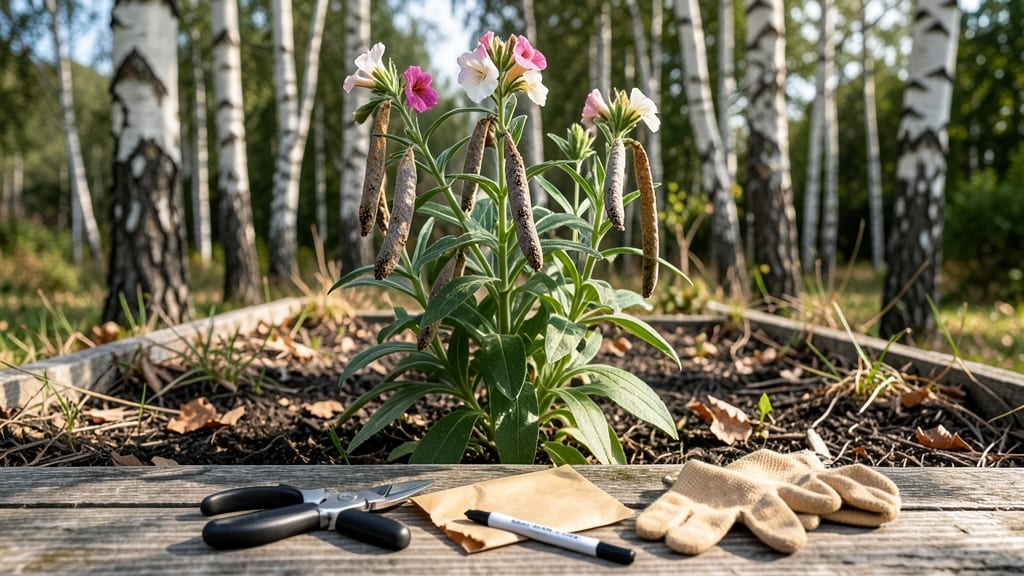
To harvest snapdragon seeds, wait until the pods turn brown and crack open naturally—this is when they’re ready for collection.
Snapdragons aren’t just stunning garden flowers—they’re seed-saving goldmines. But timing is everything: harvest too early, and you’ll lose viable seeds; wait too long, and they’ll scatter into the soil.
You’ll know the pods are mature when they turn a crispy brown and make a rattling sound when gently shaken. This usually happens in July or August, depending on your USDA Zone 6a climate.
In this guide, I’ll walk you through the exact steps to collect seeds without losing them to wind or wildlife, plus how to store them for next season’s garden.
When to harvest snapdragon seeds: identifying the perfect pod maturity
Harvesting snapdragon seeds at the right moment ensures high viability and prevents unwanted self-seeding. The key lies in observing pod maturity—when they transition from green to brown and develop a papery texture. This transformation typically occurs 60-90 days after flowering, depending on your USDA zone and growing conditions.
Mature snapdragon pods should be dry and brittle, often emitting a faint crackling sound when gently squeezed. These visual and auditory cues signal that the seeds inside are fully developed and ready for collection. Waiting too long risks the pods bursting open, scattering seeds across your garden bed.
Environmental factors like temperature and humidity also play critical roles. In dry, warm climates (like USDA Zone 8+), pods mature faster, while cooler, humid conditions can delay the process. Aim to harvest when daytime temperatures consistently stay above 70°F (21°C) for at least a week.
Here’s how to distinguish mature pods from overripe ones that may have already released seeds:
| Sign | Mature Pods (Ready to Harvest) | Overripe Pods (Too Late) |
|---|---|---|
| Color | Uniform tan or light brown | Dark brown or blackened |
| Texture | Dry and papery, crumbles easily | Brittle or shriveled, may crumble to dust |
| Sound | Rattling seeds when shaken | Empty or hollow sound |
| Pod Opening | Partially open at the seams | Fully split open, seeds scattered |
| Seed Visibility | Seeds visible through seams | No seeds remaining inside |
| Humidity Impact | Dries well in low humidity (30-50%) | Risks mold in high humidity (>60%) |
If you notice pods darkening prematurely or developing black spots, this could indicate fungal infection or excessive moisture. In such cases, harvest immediately to salvage viable seeds, even if the pods aren’t fully mature. Remove any moldy pods from your garden to prevent spread.
Another critical cue is the flowering cycle. Snapdragons typically produce seeds in late summer to early fall (July-September in most regions). If you’re growing annual varieties, prioritize harvesting seeds from the healthiest plants first, as they’ll yield the most robust offspring for next season.
For container-grown snapdragons, monitor pods more closely since they dry out faster due to limited soil moisture. Place containers in bright, sheltered spots to avoid wind damage, which can cause premature pod opening.
A simple breathable paper bag tied loosely over the plant can help contain any seeds that do scatter.
Pro tip: Use a magnifying glass to inspect pods for seed development. Mature seeds should appear plump and light-colored (cream or beige), while immature seeds are green or shriveled. This close examination ensures you don’t miss the optimal harvest window.
Finally, consider your climate’s frost risk. If first frost is approaching (like October 31 in USDA Zone 6a), harvest all remaining pods—even if slightly underripe—to avoid losing your entire seed crop. Store them in a cool, dry place for a few weeks to complete drying before final storage.
By mastering these visual and environmental cues, you’ll transform snapdragon seed harvesting from a guessing game into a precise, rewarding process. Happy seed saving! 🌾
Step-by-Step method for collecting seeds without losing them to wind or wildlife
Once your snapdragon seed pods turn crispy brown and rattle when shaken, it’s time to act fast. The key to success is collecting seeds before they scatter into the soil or get snatched by birds.
I’ve perfected a method that uses simple tools and breathable containers to keep your harvest intact.
Gather these essentials first: a pair of sharp scissors, small paper bags (or breathable fabric sacks), and a fine-tip tweezers for delicate pods. Work on a dry, sunny day when humidity is low—this minimizes the risk of mold and makes handling easier.
Step-by-Step Seed Collection Process
- 🌾 Step 1: Identify Ready Pods
Look for brown, dry pods that split open easily. Avoid green or moist pods—they’re not ready yet. - 🌿 Step 2: Snip Carefully
Use scissors to cut the stem just above the pod. This prevents damage to the plant while freeing the pod. - 📋 Step 3: Collect in Bags
Place each pod in a paper bag immediately to contain any loose seeds. Label the bag with the variety name and date. - 🔍 Step 4: Extract Seeds
Once indoors, gently squeeze the pod over the bag to release seeds. Use tweezers for stubborn pods. - 🌱 Step 5: Dry Thoroughly
Spread seeds on a paper towel in a dry, shaded spot for 3–5 days to ensure complete dryness.
For large batches, consider placing a breathable mesh bag over the plant stem before pods mature. This traps seeds inside while allowing airflow—perfect for preventing wildlife access. Check daily to avoid overfilling.
Timing matters: collect seeds in the morning when pods are dry. Avoid rainy days—moisture can cause seeds to clump or mold. If pods crack open unexpectedly, act within 24 hours to salvage seeds.
Store your dried seeds in paper envelopes in a cool, dark place. Label each with the harvest date and variety to track viability for up to 3 years.
Pro tip: Save a few pods on the plant to self-seed naturally—this ensures next year’s snapdragons grow true to type. Just monitor closely to avoid unwanted spread!