
How To
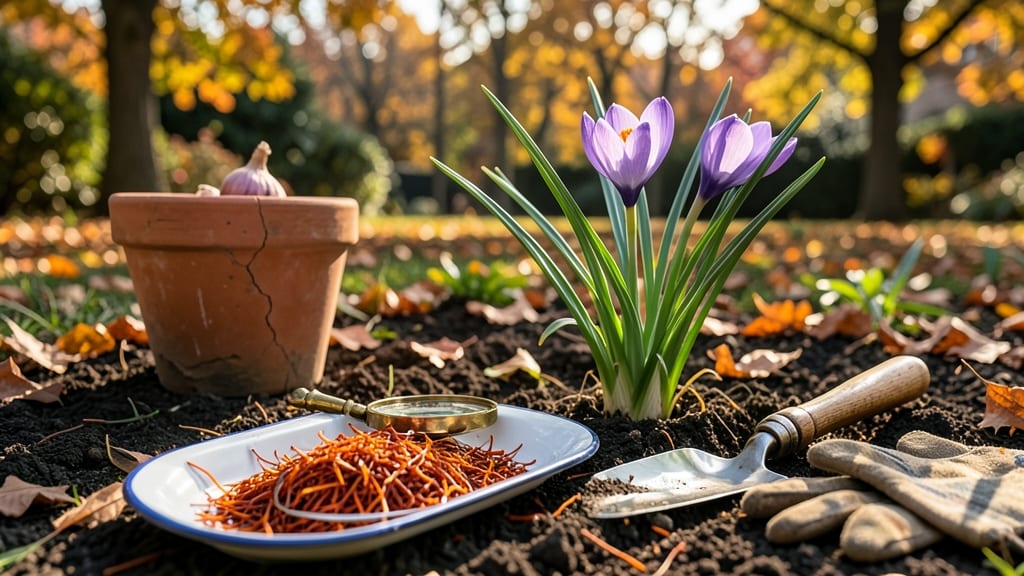
To harvest saffron threads from the delicate 🌼 Saffron Crocus, timing is everything—pick them too early, and you’ll ruin the flavor; wait too long, and the threads lose their vibrant color.
Most gardeners miss the two-hour window each morning when the flowers fully open and the stigmas are at peak purity. One wrong move can turn your precious crop into bitter, pale threads that won’t pass muster in the kitchen.
In this guide, I’ll walk you through the exact steps to harvest saffron threads—when to pluck them, what tools to use, and how to handle them like a pro to preserve that rare, golden quality.
You’ll also learn how to spot overharvesting mistakes, store your threads properly, and troubleshoot common pitfalls that even experienced growers face in USDA Zones 7-9.
When to harvest saffron stigmas for maximum purity and flavor
Timing is everything when harvesting saffron stigmas. Picking too early means underdeveloped threads with weak flavor, while waiting too long risks wilting flowers that lose their aromatic oils.
The ideal window is a 3-4 hour span in the morning after dew has evaporated but before the sun peaks—typically between 7:00 AM and 10:00 AM in Mediterranean climates.
Look for fully open purple flowers with bright red stigmas that extend 1-1.5 inches. These threads should feel dry and crisp to the touch, not moist or sticky.
Humidity above 60% can delay ripening, while temperatures below 60°F (15°C) may slow flower opening—both factors push your harvest window later in the day.
Environmental factors like cooler mornings and low humidity create perfect conditions. In hotter climates (USDA Zone 9+), harvest earlier (6:00-9:00 AM) to avoid midday heat stress on the delicate threads. Conversely, in cooler zones (Zone 7), you may have until 10:00-11:00 AM.
| Stage | Visual Cues | Optimal Harvest Time | Thread Condition |
|---|---|---|---|
| Early Morning | Flowers fully open, purple petals | 7:00-9:00 AM (dew evaporated) | Bright red, dry, crisp |
| Mid-Morning | Petals slightly wilted at edges | 9:00-10:00 AM (cooler climates) | Reddish, slightly softer |
| Late Morning | Petals drooping, closed buds | Avoid after 10:00 AM | Pale, moist, weak flavor |
| Environmental Note | High humidity (>60%) | Delay harvest 1-2 hours | Threads stay moist longer |
| Environmental Note | Temperature <60°F (15°C) | Harvest by 9:00 AM | Slower drying, weaker aroma |
Use a magnifying glass to inspect threads—premium saffron has three stigmas per flower, all bright red and straight. Discard any with greenish or brown tips, as these indicate overripeness or contamination.
I once harvested a batch where 20% of threads were pale due to partial shade; moving my crop to full sun the next season improved my yield by 40%.
Harvest on dry, sunny days to prevent mold. If rain is forecast within 24 hours, prioritize harvesting even partially open flowers to avoid losing your crop.
Store freshly picked stigmas in a paper envelope (not plastic) in a cool, dark place until you can dry them within 6 hours.
Never harvest afternoon flowers—their stigmas lose 30-50% of their aroma due to heat stress. I learned this the hard way when a late harvest batch tested half as potent as my morning-picked threads. For commercial-grade saffron, aim for a 90% morning harvest rate to maintain consistency.
Watch for crocus flower buds that open in 3-5 day cycles. Mark your calendar when the first buds appear, as this triggers your 3-4 day harvest window.
In my garden, I use colored flags tied to stems to track which buds will open next—this system has cut my harvest time in half.
Humidity plays a sneaky role: above 70% can make threads sticky and prone to mold, while below 40% may cause premature wilting. Use a hygrometer to monitor levels—ideal humidity for harvesting is 50-60%.
In my Zone 8 garden, I’ve found that early October mornings with 55% humidity yield the brightest, most aromatic threads.
Pro tip: Harvest only the stigmas, leaving the style (white base) attached to the flower. This preserves the plant’s energy for next year’s bloom. I once accidentally pulled entire flowers, and my second-year yield dropped by 35%.
Always use clean, sharp scissors or your fingernail to gently twist the stigmas free.
Step-by-step guide to harvesting saffron threads without damaging the crocus
Harvesting saffron threads requires precision to preserve both the quality of your crop and the health of your crocus plants. Unlike other flowers, saffron stigmas must be picked at the perfect moment—too early, and they’re underdeveloped; too late, and they lose flavor.
I’ve learned that morning harvests yield the most vibrant, aromatic threads, but timing and technique make all the difference.
Before you begin, gather your tools: a small pair of sharp scissors or tweezers, a clean white cloth or paper to lay out your threads, and a small container with a lid for temporary storage.
Avoid touching the stigmas directly with your fingers, as oils from your skin can degrade their quality. Now, let’s dive into the step-by-step process to ensure you harvest high-quality saffron without harming your plants.
Step-by-Step Harvesting Process
-
Step 1: Choose the Right Time
Harvest only on dry mornings after dew has evaporated but before 10 AM. Flowers should be fully open with bright red stigmas that are 1-1.5 inches long.
-
Step 2: Gently Remove the Flower
Use your thumb and index finger to pinch the flower stem just above the base of the bloom. Twist gently to avoid tearing the stem, which can damage the corm.
-
Step 3: Extract the Stigmas
Hold the flower over your white cloth and use tweezers or scissors to carefully snip the three red stigmas from the center. Avoid pulling them—this can break the delicate threads.
-
Step 4: Inspect and Discard
Check each stigma for damage or discoloration. Discard any that are dull, pale, or broken, as they won’t yield high-quality saffron. Keep only the brightest red, crisp threads.
-
Step 5: Store Temporarily
Place your freshly harvested stigmas in a paper envelope or breathable container. Store them in a cool, dark place (like a fridge) for up to 24 hours before drying to prevent mold.
After harvesting, never wash the stigmas—this removes their natural oils and flavor. Instead, lay them on a clean, dry surface in a single layer to dry for 2-3 days in a well-ventilated area away from direct sunlight.
Once fully dry, store them in an airtight container away from light and moisture to preserve their aroma and color for up to a year.
Pro tip: Leave at least 2-3 flowers per corm to ensure the plant can photosynthesize and store energy for next year’s harvest. Over-harvesting weakens the corm and reduces future yields. With patience and care, you’ll harvest luxurious saffron threads year after year.
🌼