
How To
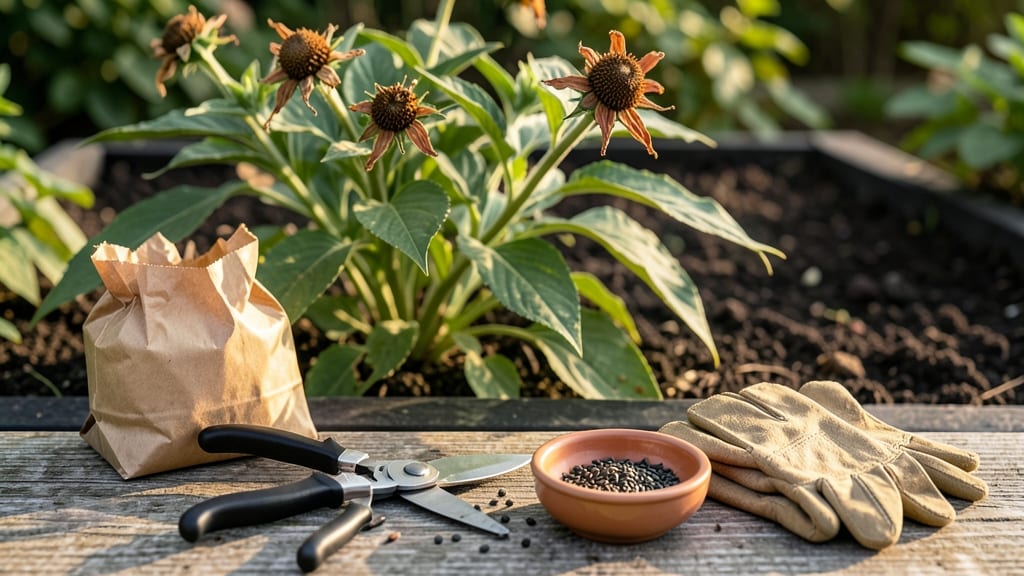
To harvest rudbeckia seeds, wait until the flower heads turn a deep brown and crack open—this is your prime window for collecting seeds before they scatter.
Those dried, papery seed heads of rudbeckia aren’t just decorative—they’re packed with seeds that can bring next year’s garden to life. But timing and technique matter: harvest too early, and you’ll miss fertile seeds; wait too long, and they’ll scatter before you can collect them.
Rudbeckia 🌼 thrives in USDA Zone 6a, and seeds mature in late summer or early fall, just as the blooms fade. Knowing when to act means you’ll end up with a stash of seeds ready for spring planting, saving you money and ensuring your favorite varieties return.
In this guide, I’ll walk you through how to spot the perfect seed heads, the best methods for collecting them, and how to store them so they stay viable until next planting season.
When to harvest rudbeckia seeds: identifying the perfect ripeness stage
Harvesting rudbeckia seeds at the right moment ensures you collect viable seeds ready for next season's garden. The key is watching for visual maturity cues that signal the seed heads are fully ripe. These cues include brown, papery bracts and visible seed fluff peeking through the dried petals.
Timing matters because rudbeckia seed heads don't stay ripe for long. If you miss the window, the seeds may scatter naturally, leaving you with nothing to save.
The best time to harvest is typically late summer to early fall, just before the first frost. This aligns with rudbeckia's natural seed dispersal cycle.
Here's what to look for when inspecting your rudbeckia flowers:
| Maturity Stage | Visual Clues | Action |
|---|---|---|
| Not Ready |
|
Wait 1-2 weeks |
| Perfectly Ripe |
|
Harvest immediately |
| Overripe |
|
Too late |
Pay special attention to the papery bracts surrounding the seed heads. When they turn completely brown and dry, it's a clear sign the seeds inside are ready. These bracts will naturally crack open to release seeds, so harvesting them at this stage prevents loss.
Another helpful trick is to gently squeeze the seed head. If seeds easily fall out or you can see them rattling inside, they're ready for collection. This method works best when the seed heads are fully mature but haven't yet scattered naturally.
Avoid harvesting green seed heads, even if they look close to maturity. These seeds won't be viable for planting and may not germinate properly. The color change from green to brown is one of the most reliable indicators of seed readiness.
If you're unsure whether your rudbeckia seeds are ready, check the stem condition. A mature seed head will have a dry, brittle stem that snaps easily. This dryness indicates the plant has redirected its energy from growth to seed production.
Harvesting at the right time also depends on your local climate. In warmer regions, you might collect seeds earlier in the season, while cooler areas may need to wait until late fall. Always keep an eye on the weather forecast to avoid harvesting before an early frost.
Once you've identified the perfect seed ripeness stage, act quickly. The window between perfect ripeness and overripeness is often just a few days. Missing this window means losing your rudbeckia seeds to natural dispersal or harsh weather.
Remember, the goal is to collect seeds that are fully mature but not yet scattered. With practice, you'll develop an eye for spotting the ideal moment—when the brown bracts meet the visible seed fluff in perfect harmony. 🌾
Step-by-step rudbeckia seed harvesting techniques for maximum yield
Now that you’ve identified the perfect rudbeckia seed heads, it’s time to harvest them efficiently. The right techniques ensure you collect the maximum number of viable seeds without damaging the plant or losing seeds to wind or wildlife.
I’ve found that using the right tools and methods makes all the difference between a bountiful seed stash and a disappointing yield.
Start by gathering a few essential tools: a pair of clean pruning shears, breathable paper bags (or brown paper lunch bags), and a small labeling marker.
These tools will help you work quickly and keep your seeds organized. I prefer paper bags because they allow moisture to escape, preventing mold while the seeds dry.
- 1 Select the right seed heads: Choose only the fully brown and dry seed heads with visible seed fluff. Avoid any that are cracked open or have scattered seeds.
- 2 Cut the seed heads: Use clean pruning shears to snip the seed heads just above the flower stem. Hold a paper bag beneath the cut to catch any seeds that fall out during the process.
- 3 Transfer to drying containers: Place the harvested seed heads in a breathable container, like a cardboard box with holes or a mesh bag. This allows air circulation while preventing seeds from escaping.
- 4 Dry the seeds: Store the container in a cool, dry place (like a garage or shed) for 1-2 weeks. This allows the seeds to fully dry and detach from the seed heads naturally.
- 5 Separate the seeds: Once dry, gently rub the seed heads over a clean sheet of paper or directly into a paper bag. The seeds will easily separate from the dried bracts.
- 6 Store properly: Transfer the seeds to a labeled, airtight container (like a small jar or envelope) and store them in a cool, dark place until planting season.
If you’re harvesting a large number of rudbeckia seeds, consider using a seed thresher or even a clean, dry towel to speed up the process. Simply rub the dried seed heads over the towel, and the seeds will fall through while the chaff remains behind.
This method is especially useful for large-scale seed collection and saves time.
One common mistake I see is harvesting seeds on a humid day. Moisture can cause mold or premature germination, so always choose a dry, sunny day for harvesting. Additionally, avoid shaking the seed heads too vigorously—this can damage the seeds or cause them to scatter before you’re ready.
Label each container with the harvest date and rudbeckia variety if you’re saving seeds from different types. This ensures you’ll know exactly what you’re planting next season and can track the seed viability over time.
With these techniques, you’ll maximize your yield and have a reliable supply of rudbeckia seeds for years to come. 🌾