
How To
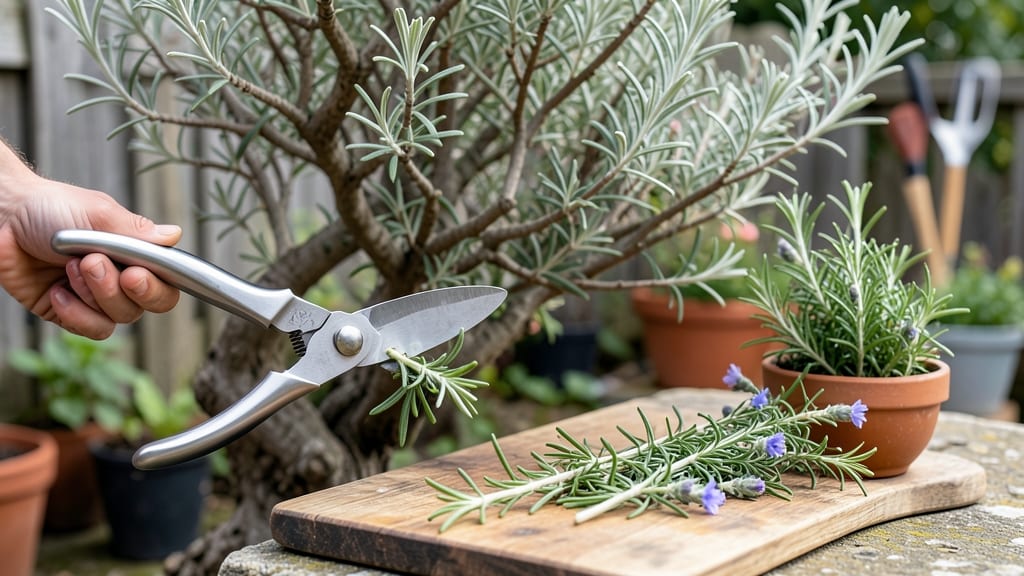
To harvest rosemary so it keeps growing, focus on cutting stems at the wooden stage—this triggers bushier regrowth and prevents leggy, sparse plants.
Picture this: you snip a sprig for your roasted chicken, only to watch your rosemary 🌿 stretch tall and bare over the next few weeks. That’s not a stubborn plant—it’s a signal you’re harvesting at the wrong time.
The secret lies in patience and precision, not just cutting when you need it.
Most gardeners assume rosemary can handle aggressive trimming, but over-harvesting or cutting too low stresses the plant, slowing down new growth. Instead, aim for stems that are half-hardened (wooden but still flexible) and always leave at least 6 inches of growth. This simple tweak keeps your rosemary lush for years.
In this guide, I’ll walk you through the exact timing, tools, and post-harvest care to ensure your rosemary thrives—whether you’re drying sprigs for winter soups or snipping fresh leaves for summer salads.
When and how to harvest rosemary at the wooden stem stage
Harvesting rosemary at the wooden stem stage is the secret to keeping your plant lush and productive year after year. When done correctly, this method encourages bushier growth, prevents legginess, and ensures your herb stays healthy for continuous harvests.
The key is patience—waiting until stems develop a slight wooden texture (but remain flexible) signals they're ready for cutting.
Most gardeners make the mistake of harvesting too early, when stems are still soft and green. This weakens the plant and can lead to stunted regrowth. Instead, focus on stems that are about 1/4-inch thick and have fully developed leaves.
These mature stems indicate the plant has stored enough energy to bounce back after pruning.
Timing matters too. The best seasons for harvesting are spring through early fall, when rosemary is actively growing. Avoid heavy harvesting in winter months, as the plant enters dormancy and needs to conserve energy.
Even in active seasons, never remove more than one-third of the plant at once to prevent shock.
How to Harvest Rosemary So It Keeps Growing
- Step 1: Choose the right stems – Select non-flowering stems with wooden but flexible bases. Look for stems that are at least 6-12 inches tall and have 3-4 sets of leaves.
- Step 2: Use clean, sharp tools – Grab a pair of bypass pruners or sharp scissors (sterilized with rubbing alcohol). Dull tools can crush stems and invite disease.
- Step 3: Cut at a 45-degree angle – Make your cut just above a leaf node (the point where leaves grow out). This encourages new shoots to sprout from that spot. Avoid cutting too close to the main stem.
- Step 4: Never trim more than 1/3 of the plant – Even healthy rosemary needs time to recover. If you harvest too aggressively, the plant may stop producing new growth or become stressed.
- Step 5: Focus on outer stems first – Always harvest from the outer edges of the plant to maintain a compact, bushy shape. This also improves airflow, reducing the risk of fungal diseases.
- Step 6: Post-harvest care – After pruning, give your rosemary a light watering (if the soil is dry) and place it in a sunny spot. Avoid fertilizing immediately—wait 2-3 weeks to let the plant recover.
After harvesting, you’ll notice new growth sprouting from the leaf nodes within 2-4 weeks. This is your rosemary’s way of telling you it’s happy and ready for another round!
To keep your plant thriving, repeat the process every 4-6 weeks during the growing season. Just remember: less frequent, strategic harvesting yields better results than heavy, frequent cuts.
One common misconception is that you should always harvest the youngest, most tender stems. While these are great for cooking, they’re not ideal for encouraging woody stem regrowth.
Instead, prioritize stems that are mature but not yet woody—these will give you the best balance of flavor and plant health.
If your rosemary starts to look leggy or sparse after harvesting, it’s a sign you’re cutting too much or too low. To fix this, reduce your harvest frequency and focus on pruning for shape rather than quantity.
A well-pruned rosemary bush will reward you with dense foliage and abundant harvests for years to come.
Pro tip: Save your harvested stems for drying or making rosemary oil. Bundle 3-5 stems together, tie with twine, and hang them upside down in a dark, dry place for 2-3 weeks. Once dry, strip the leaves and store them in an airtight container for year-round use.
With the right technique, your rosemary will grow into a hardy, long-lived perennial that keeps giving back. The wooden stem stage is your golden ticket to a bushier, more productive plant—so don’t rush it! 🌿
Common harvesting mistakes that kill rosemary growth (and how to fix them)
Even experienced gardeners accidentally sabotage their rosemary 🌿 by making simple harvesting mistakes. The most common error? Cutting stems when they’re still green and tender, which weakens the plant’s ability to regrow. When you harvest rosemary at the wrong stage, you’re essentially telling it, "Stop growing new leaves for me."
Over time, this leads to a woody, sparse shrub that struggles to produce fresh sprigs.
Another critical mistake is harvesting too aggressively during winter months. Rosemary enters dormancy in colder climates, and pruning it then forces the plant to expend energy it doesn’t have. I’ve seen gardeners cut back 80% of their rosemary in December, only to watch it wither by spring.
The solution? Learn the 5 deadly harvesting mistakes and how to correct them before your rosemary becomes a memory instead of a thriving herb garden staple.
⚠️ How to Harvest Rosemary So It Keeps Growing
✅ DO: Cut stems when they’re half-hardened (wooden but still flexible)—this triggers bushier regrowth. Always leave 6+ inches of growth and harvest from the top third of the plant to encourage branching.
❌ DON’T: Cut stems lower than 1/3 of the plant’s height, harvest in winter months, or remove more than 1/3 of the plant at once. Avoid cutting green, tender stems—these won’t regrow.
🌱 Pro Tip: Use clean, sharp pruners to avoid damaging stems. Disinfect tools with rubbing alcohol between cuts to prevent disease.
First on the list of mistakes is cutting too low. Many gardeners trim rosemary stems right at the base, thinking it encourages new growth. In reality, this removes the plant’s energy storage and leaves no room for regrowth.
Always cut stems above a set of leaves or at a 45-degree angle just above a leaf node. This simple adjustment ensures the plant can heal and produce new shoots from the remaining stem.
Next, harvesting in winter is a silent killer for rosemary. When temperatures drop below 40°F, rosemary shifts into survival mode, conserving energy for spring. Pruning it during this time forces the plant to expend resources it doesn’t have.
If you must harvest in winter, limit cuts to 10% of the plant’s foliage and focus on the hardest, woodiest stems—these are the least likely to be damaged by cold.
Over-pruning is another common mistake that leads to leggy, sparse growth. Some gardeners assume more cuts mean more harvests, but rosemary responds poorly to aggressive trimming. Never remove more than 1/3 of the plant’s foliage in a single session.
Instead, space out harvests every 4-6 weeks during the growing season. This gives the plant time to recover and produces denser, more aromatic sprigs.
Harvesting green, tender stems is a rookie error that stunts growth. These stems lack the woody structure needed to regenerate new leaves. Always look for stems that are partially hardened—they should bend slightly but not snap easily.
If a stem feels soft and flexible, wait a few more weeks before harvesting. Patience here pays off with a bushier, more productive plant.
Finally, ignoring seasonal growth patterns leads to inconsistent harvests. Rosemary grows most vigorously in spring and early summer, so that’s when you should do 70% of your harvesting.
Reduce cuts in fall and avoid pruning entirely in winter. By aligning your harvests with the plant’s natural cycle, you’ll keep your rosemary lush and productive for years.