
How To
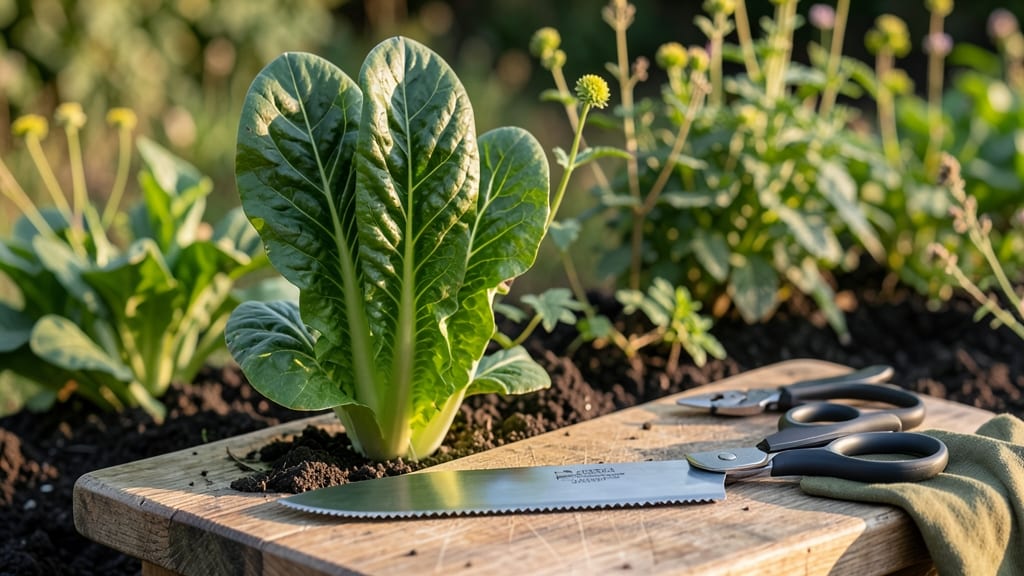
Harvesting romaine lettuce at the right time means snapping crisp stems cleanly for the freshest bites—while keeping your plant happy enough to regrow for weeks.
Picture this: you’ve nurtured your 🥬 for months, and now the moment has arrived. But if you pull too early, you’re left with bitter leaves; too late, and the plant bolts, sending up those bitter flower stalks you definitely don’t want.
The key? Timing it just right so the stems snap easily when you tug—no struggle, no waste.
This isn’t just about cutting a head and calling it a day. With the right technique, you can harvest romaine multiple times, turning one plant into a steady supply of crunchy greens.
I’ll walk you through when to pull those leaves, how to do it without damaging the plant, and even how to store what you harvest so it stays crisp for days.
Ready to master the art? You’ll learn the exact signs your romaine is ready, the tools you’ll need (spoiler: it’s less than you think), and how to revive your plant after each cut so it keeps producing like a champ.
When to harvest romaine lettuce for peak freshness and regrowth
Harvesting romaine lettuce at the right moment transforms your garden into a crisp, flavorful bounty. The key lies in balancing leaf maturity with stem firmness—cut too early, and you sacrifice flavor; wait too long, and the plant bolts, sending bitter shoots skyward.
I’ve learned that timing isn’t just about days since planting but about visual cues like leaf length and texture.
Romaine thrives as a cut-and-come-again crop, meaning you can harvest outer leaves repeatedly while the inner plant regrows. This method works best when you start harvesting 50-60 days after sowing, depending on your climate.
In my zone 6a, I aim for May-June harvests, but cooler regions can extend this window into early fall.
Here’s the golden rule: Harvest when leaves reach 6-8 inches in length and exhibit a deep green color with a slight crunch. The stem base should feel thick and sturdy—like a pencil—rather than flimsy.
If you pinch a leaf and it snaps cleanly, it’s ready. Ignore these signs, and you risk bitter bolting, where the plant focuses energy on flowering instead of leaf production.
| Harvest Stage | Leaf Size | Stem Condition | Days After Planting | Regrowth Potential |
|---|---|---|---|---|
| Baby Leaves | 3-5 inches | Thin, flexible | 40-50 days | High (encourages bushiness) |
| Mature Heads | 6-8 inches | Thick, firm | 60-70 days | Moderate (cut outer leaves) |
| Overmature (Bolting) | 8+ inches, yellowing | Hollow, brittle | 70+ days | None (bitter, inedible) |
| Ideal Cut-and-Come-Again | Outer leaves 5-7 inches | Firm, green core | Ongoing (50+ days) | Very High (repeat harvests) |
For baby romaine, I harvest when leaves are 3-5 inches long, using sharp scissors to snip just above the lowest set of leaves. This method encourages the plant to branch out, producing more leaves over time.
I’ve found that harvesting every 7-10 days keeps my plants productive for 6-8 weeks, even in hot summers.
Watch for bolting signs: tall, hollow stems and yellowing leaves mean the plant is shifting energy to seed production. Heat waves or long daylight hours trigger this in romaine.
To prevent bolting, I use shade cloth during peak afternoon sun and keep soil consistently moist. Succession planting in cool-season months (March-April) also delays bolting.
Another pro tip: Harvest in the morning when leaves are crispest. Use a clean knife or pruners to cut stems at a 45-degree angle, about 1 inch above the base.
This angle prevents water from pooling on the cut, reducing rot risk. I always leave the inner core intact to fuel regrowth.
Romaine’s regrowth magic happens when you leave 2-3 inches of stem and a few leaves at the base. Within 10-14 days, new growth emerges from the center. I’ve had plants produce three harvests in a single season using this technique.
The key is consistency—harvest outer leaves first and avoid cutting more than one-third of the plant at once.
If your romaine starts to taste bitter, it’s a clear sign of stress—either from heat or overmaturity. In my garden, I’ve learned to prioritize early-morning harvests and shade protection to maintain sweetness.
Store harvested romaine in the fridge for up to 5 days, wrapped in a damp paper towel to preserve crispness.
Protect your plants from pests like slugs and aphids, which can weaken romaine before harvest. A simple beer trap or diatomaceous earth barrier works wonders. With the right timing and care, your romaine will keep producing crisp, flavorful leaves for weeks—no bitter surprises here! 🥬
Step-by-Step method to snap romaine stems cleanly without damaging plants
Harvesting romaine lettuce the right way means clean cuts that keep your plant thriving—and your kitchen stocked with crisp greens. The cut-and-come-again method is my go-to for maximizing yields, but timing and technique are everything.
If you pull too early, you’ll get bitter, underdeveloped leaves; too late, and the plant bolts, ruining your harvest. Let’s master this so you can enjoy fresh romaine for weeks.
First, you’ll need just two tools: a sharp pruning shears or a clean chef’s knife. Avoid dull scissors—they crush stems and invite rot. Work on a dry morning after the dew has evaporated; this prevents soil from sticking to your leaves and keeps them crisp.
The goal? A clean cut 1-2 inches above the base to encourage new growth from the center.
How to Harvest Romaine Lettuce
- 📏 Step 1: Check Readiness – Look for 6-8 inch leaves with deep green color and a thick, sturdy stem. Tug gently; if the stem snaps cleanly, it’s ready.
- ✂️ Step 2: Use the Right Tools – Grab your sharp pruning shears or knife. Disinfect blades with rubbing alcohol to prevent disease.
- 🌱 Step 3: Cut at the Base – Make a 45-degree angle cut 1-2 inches above the soil line. Avoid cutting into the center stem to prevent damage.
- 💧 Step 4: Revive the Plant – After cutting, water the base deeply to encourage regrowth. Remove any yellow or damaged leaves immediately.
- 🌿 Step 5: Encourage Bushiness – For future harvests, pinch off the top 2-3 leaves to promote side shoots. This turns one plant into a continuous harvest machine.
One of the biggest mistakes I see is cutting too close to the base—this can expose the plant to rot or pests. Always leave a 1-2 inch stub to protect the growing point.
Another common error? Harvesting in the heat of the day. This causes leaves to wilt faster and lose their crispness. Stick to cool mornings for the freshest results.
Pro tip: If you’re growing romaine for baby leaves, you can start harvesting outer leaves when they’re just 3-4 inches long. This method lets you enjoy multiple harvests from a single plant without waiting for full maturity.
Just be sure to leave the inner leaves intact so the plant keeps growing.
After your first harvest, your romaine plant should bounce back in 2-3 weeks with proper care. Fertilize lightly with a balanced 10-10-10 mix after cutting to give it a nutrient boost.
Avoid heavy fertilizers—they can cause rapid growth and lead to bolting, especially in hot weather. With the right technique, you’ll enjoy fresh romaine for months, not just weeks.
Remember, the key to long-term success is patience and precision. A little effort now means a steady supply of crisp, homegrown romaine all season long. Happy harvesting! 🥬