
How To
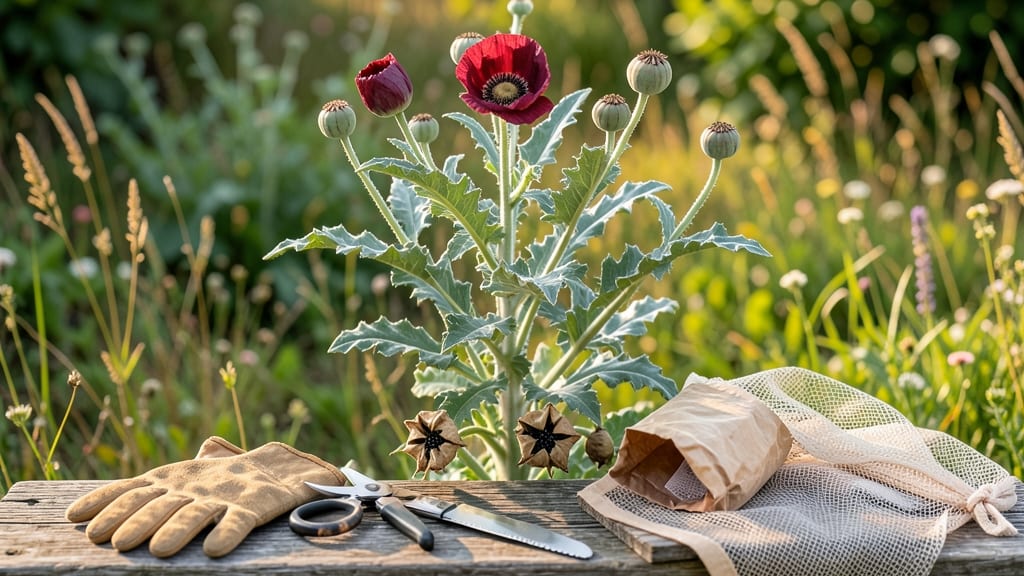
Harvesting poppies at the right time ensures you capture their delicate seeds before the wind steals them away — and the key is knowing when those seed pods are ready to pick.
There’s nothing more frustrating than watching your 🌸 poppies release their seeds too early, leaving you with empty pods and no chance to save them for next year.
The good news? With the right timing and tools, you can collect seeds at their peak maturity and even use the flowers in crafts or bouquets.
In this guide, I’ll walk you through the exact signs to look for—like color changes and pod texture—and share step-by-step techniques to harvest without losing a single seed. You’ll also learn how to avoid common mistakes that ruin harvests, so you can enjoy a bountiful garden year after year.
Ready to turn your poppy harvest into a success? Let’s dive into the best time to pick those pods and keep your garden thriving.
When to harvest poppy seed pods: key signs of maturity
Harvesting poppy seed pods at the right moment ensures you capture viable seeds instead of losing them to the wind or rain. The key is watching for visual cues and understanding how weather conditions influence maturity.
Poppies typically produce seed pods in late spring to early summer, but the exact timing depends on your climate and variety.
Start by observing the flower petals. When they begin to wilt and fall away, the seed pod behind them will start forming. This pod, called a capsule, is where the seeds develop.
The perfect harvest window opens when the pod turns from green to a dry, papery brown—this usually takes about 4-6 weeks after flowering.
Here’s what to look for to know your poppies are ready for harvest:
| Sign of Maturity | Description | Action to Take |
|---|---|---|
| Pod Color | Dry, papery brown (not green or yellow) | Harvest soon—pods will crack open |
| Pod Texture | Dry and brittle to the touch | Gently twist or cut pods |
| Seed Visibility | Seeds visible through pod openings | Harvest immediately to prevent loss |
| Weather Conditions | Dry, sunny days (avoid rain) | Harvest on dry mornings for best results |
| Pod Cracking | Pods begin to split naturally | Collect seeds quickly before they scatter |
If you miss the window, the pods will explode open when dry, releasing seeds into the wind. This is why many gardeners prefer to harvest pods slightly early—when they’re brown but still intact—and dry them indoors.
This method gives you more control over the seeds and reduces the risk of losing them.
Weather plays a critical role in timing. Rain can cause pods to rot or split prematurely, while high humidity may lead to mold. Aim to harvest on dry, sunny days when the pods are fully mature but haven’t started cracking.
If rain is forecasted, prioritize harvesting to avoid losing your seeds.
Not all poppy varieties mature at the same rate. Opium poppies (Papaver somniferum) may take longer to develop seed pods compared to corn poppies (Papaver rhoeas).
Always monitor your specific variety closely, as some can mature in as little as 60 days while others take up to 90 days.
Once you’ve identified mature pods, act quickly. The longer you wait, the higher the chance of seed loss. Use a paper bag or breathable container to collect pods and dry them in a well-ventilated area away from direct sunlight. This preserves seed viability for next season’s planting.
Pro tip: Mark your calendar 4-6 weeks after flowering to stay ahead of the harvest. This gives you time to prepare drying materials and avoid last-minute rushes. With the right timing, you’ll have a stash of poppy seeds ready for spring planting or creative projects like seed paper or crafts.
🌸
Step-by-step guide to harvesting poppy seeds without losing them
Harvesting poppy seeds at the right moment can mean the difference between a bountiful seed collection and a scattered mess. Poppies release seeds dramatically when pods mature, so timing and technique are everything.
If you miss the window, those seeds will explode into the wind, leaving you with nothing to replant. The key is to act before the pods split open—but not too early, or the seeds won’t be viable.
Start by gathering your tools: a pair of clean, sharp pruning shears, a brown paper bag (or breathable fabric sack), and a dry, shaded workspace. Avoid harvesting on rainy or humid days, as moisture can ruin your seeds.
Work in the early morning when pods are dry and less likely to crack prematurely. Once you’ve prepped, follow these steps to ensure a successful, seed-rich harvest.
How to Harvest Poppy Seeds
-
Step 1: Identify Mature Pods
Look for dry, papery pods that have turned from green to light tan or brown. Gently squeeze a pod—if it doesn’t crack but feels brittle, it’s ready. Avoid pods that are already splitting open.
-
Step 2: Cut Pods at the Stem
Use clean pruning shears to snip the entire stem (including the pod) about 2 inches below the base. This prevents damage to the plant and ensures you capture all seeds that may fall later.
-
Step 3: Hang Pods Upside Down
Bundle stems together and tie them with twine. Hang them in a dry, well-ventilated spot (like a garage or shed) where they can fully dry for 1-2 weeks. This mimics natural conditions and prevents mold.
-
Step 4: Collect Seeds
Once pods are completely dry and brittle, place a brown paper bag under each pod. Gently crush the pod with your fingers or a rolling pin to release seeds. Shake the bag to dislodge any remaining seeds.
-
Step 5: Store Seeds Properly
Transfer seeds to a paper envelope or airtight container with a desiccant packet to absorb moisture. Label with the harvest date and store in a cool, dark place (like a fridge) for up to 2 years.
If you’re harvesting in windy conditions, consider using a mesh bag or breathable fabric sack tied securely to the plant stem. This creates a natural barrier while allowing pods to dry.
Avoid plastic bags—they trap moisture and cause mold. For large batches, spread pods on a clean sheet of cardboard in a dry, shaded area to dry evenly.
One of the biggest mistakes is waiting too long—overripe pods explode, scattering seeds everywhere. If you notice pods cracking open naturally, act immediately to salvage any remaining seeds.
For best results, harvest on a dry, calm day and repeat the process every 2-3 days as new pods mature. With practice, you’ll develop an eye for the perfect harvesting window.
Preserving poppy seeds is rewarding, especially if you plan to grow next year’s garden or use them in crafts. Store seeds in a cool, dry place and test viability by planting a few each year. Happy harvesting—your future poppies will thank you!