
How To
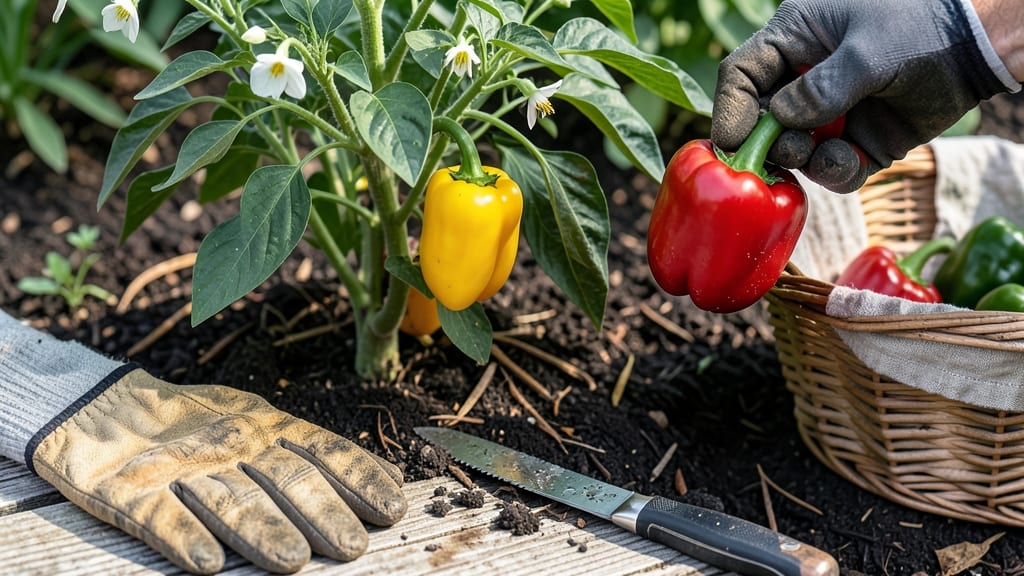
Harvesting peppers at the right moment means the difference between mild disappointment and a flavor explosion in your cooking.
Peppers aren’t just about heat—they’re about timing. Harvest them too early, and you’ll miss out on their peak sweetness, spice, or texture. But get it right, and you’ll unlock flavors that transform your dishes from good to extraordinary.
Knowing when to pluck a 🌶️ pepper depends on color, size, and even the variety. A bell pepper ready to pick will be deep green, firm, and about the size of your palm.
But jalapeños? They’re best when they turn red or stay green but feel slightly soft to the touch.
In this guide, I’ll walk you through the exact cues to look for, how to pick peppers without damaging the plant, and what to do with them once they’re in your kitchen—so you never waste another harvest again.
When to harvest peppers: color and size clues for perfect ripeness
Harvesting peppers at the right time is an art that balances flavor development, spice intensity, and textural perfection. Unlike many vegetables, peppers continue maturing on the vine, which means their color, size, and even aroma change dramatically as they ripen.
Understanding these cues ensures you don’t miss the peak harvest window for your favorite varieties.
The color transformation is your most reliable indicator. While green peppers are often harvested early, many varieties develop into stunning reds, yellows, oranges, or purples—each with distinct flavor profiles.
For example, a jalapeño harvested green is milder and crunchier, but left to ripen to red, it becomes sweeter and slightly spicier. Meanwhile, bell peppers reach their sweetest when fully colored, whether that’s red, yellow, or purple.
| Variety | Color Stages | Size at Harvest | Flavor/Spice Change | Best For |
|---|---|---|---|---|
| Bell Peppers | Green → Yellow → Red → Purple | 3–5 inches long | Sweeter, milder as color deepens | Raw salads, grilling |
| Jalapeños | Green → Red | 2–3 inches long | Spicier when red, sweeter | Salsas, pickling |
| Habaneros | Green → Orange/Red | 1–2 inches long | Heat increases with ripeness | Hot sauces, spicy dishes |
| Cayenne | Green → Red | 2–4 inches long | Pungency peaks at red | Drying, hot peppers |
| Poblano | Green → Red (rare) | 4–6 inches long | Earthy when green, sweet when red | Stuffed peppers, chiles rellenos |
Size matters just as much as color. For bell peppers, aim for 3–5 inches long and 2–3 inches wide.
If left too long, they’ll become tough and seedy. Chili peppers, like jalapeños or habaneros, should be harvested when they reach their typical mature size—usually between 2–4 inches—but their color intensity is often the better guide.
Don’t overlook the texture and aroma cues. A ripe pepper should feel firm but slightly yielding when gently squeezed. If it’s rock-hard, it’s underripe; if it’s mushy, it’s overripe. Sniff the stem—ripe peppers emit a sweet, fruity, or earthy aroma, depending on the variety.
A jalapeño at peak ripeness, for example, will smell slightly sweet, while a habanero might have a tropical, floral note.
Harvesting green peppers is common for varieties like bell peppers, but know that their flavor profile changes dramatically as they ripen. Green bell peppers are crisp and slightly tart, while red ones are 3–5 times sweeter.
If you’re growing heat-loving varieties, like cayennes or habaneros, waiting for full color ensures maximum capsaicin development, which is what gives them their fiery kick.
Storage potential also shifts with ripeness. Fully ripened peppers store better at room temperature for 1–2 weeks and can even ripen further off the vine. Green peppers, however, are best stored in the fridge to slow ripening.
If you’re planning to dry or ferment your peppers, harvest them at their peak color—this ensures the best flavor and texture during preservation.
One common mistake is harvesting peppers when they’re partially colored. For example, a jalapeño that’s half-green and half-red isn’t ready. Wait until the color is fully consistent across the pepper.
This ensures even flavor and texture, making your harvest worth the wait. Patience here pays off in bold, complex flavors that underripe peppers simply can’t match.
For continuous harvests, pinch off flower buds as they form. This encourages the plant to produce more peppers over time, rather than focusing all its energy on a single batch.
However, if you’re growing ornamental peppers or varieties prized for their color transformation, like purple bell peppers, let them ripen fully for the most stunning results.
Finally, remember that climate and variety play a role. In cooler climates, peppers may not fully ripen on the vine. If frost threatens, harvest green peppers and ripen them indoors in a bright, warm spot.
Some varieties, like shishito peppers, are best harvested young and green, while others, like ghost peppers, need full ripening to reach their legendary heat levels.
Mastering the art of pepper harvesting is about observing color, size, and
Step-by-step pepper harvesting techniques to avoid damage
Harvesting peppers the right way ensures your plants keep producing while you enjoy the best flavor and texture. A gentle touch prevents bruising, and the right tools make the job easier.
I’ve learned that delicate varieties like habaneros need extra care—one wrong move, and you’ll end up with a squishy mess instead of a perfect pepper.
The key to damage-free harvesting lies in proper grip techniques and knowing when to cut the stem. If you tug too hard or use dull tools, you risk tearing the plant or leaving behind damaged fruit that won’t ripen properly.
Even the stems of bell peppers should be handled with care—they’re more fragile than they look!
How to Harvest Peppers Without Damage
- Step 1: Choose the right tool – Use clean, sharp pruning shears or scissors for larger peppers. For small varieties like jalapeños, pinch the stem with your thumb and forefinger.
- Step 2: Locate the stem – Gently twist or cut just above the fruit’s stem (about ¼ inch up). Avoid tearing the pepper itself, which can cause rot.
- Step 3: Use a firm grip – Wrap your fingers around the pepper’s base near the stem and twist gently. For thin-skinned chilies, support the pepper with your other hand to prevent bruising.
- Step 4: Avoid overhandling – Place harvested peppers in a soft container (like a mesh bag) to prevent crushing. Delicate varieties like habaneros should never be stacked.
- Step 5: Sanitize tools – Wipe shears with rubbing alcohol between plants to prevent disease spread, especially if harvesting multiple varieties.
One common mistake I see is harvesting peppers by pulling the entire fruit instead of cutting or twisting at the stem. This can damage the plant’s fruit-bearing nodes and reduce future yields. For large bell peppers, always use shears to avoid tearing the skin or stem.
After harvesting, inspect your peppers for any signs of bruising or soft spots. Discard damaged ones immediately—they won’t store well and can attract pests. For delicate chilies, spread them out on a paper towel-lined tray to dry for 1-2 hours before storing.
Remember, the goal is to encourage more production while keeping your peppers intact. By following these steps, you’ll maximize your harvest and enjoy peppers at their peak flavor—without the stress of a damaged plant or wasted fruit.