
How To
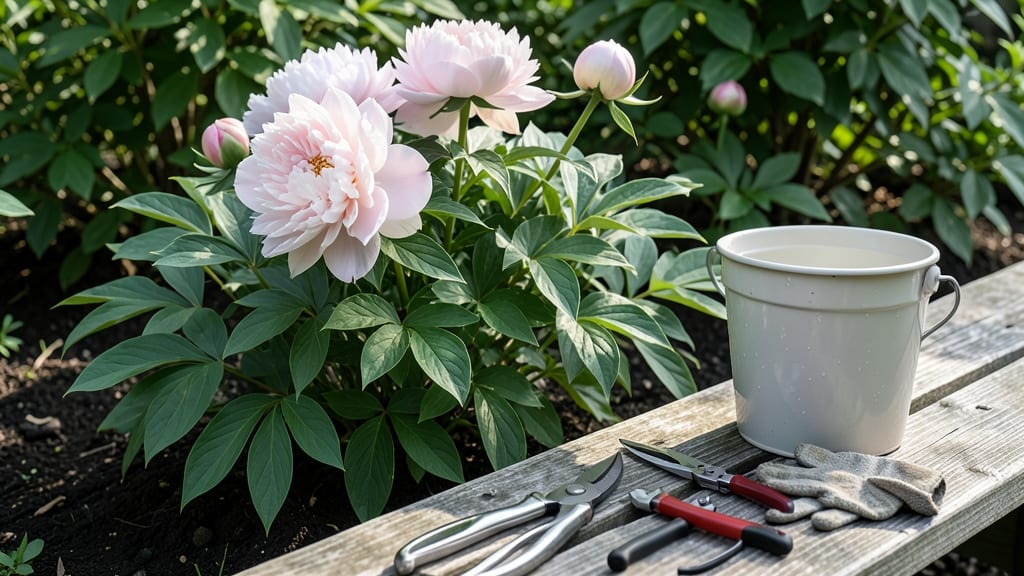
To harvest peonies at their peak, cut stems when fully open but before petals wilt — a 5-minute window that makes all the difference for vase life and next year’s blooms.
Peonies are the crown jewels of any garden, but harvesting them at the wrong time can shorten their lifespan or damage the plant—here’s how to do it right for stunning, long-lasting blooms every season.
Timing is everything: harvest too early, and your bouquet wilts fast; too late, and you risk weakening the plant for next year’s reblooming. In Zone 6, aim for late May to early June when buds are fully unfurled but still firm.
Below, you’ll find the exact steps to cut stems without harming the roots, plus pro tips for drying blooms or saving seeds—so you can enjoy peonies in vases or share them with friends without sacrificing next season’s 🌸 show.
When to harvest peonies for maximum longevity & blooming success
Timing is everything when harvesting peonies—cut too early, and your bouquets won’t last; harvest too late, and you risk weakening the plant for next year’s blooms. The best time to harvest peony flowers is when buds are fully open but petals haven’t yet started wilting.
This usually falls between late May and early June in most U.S. growing zones, but regional climate plays a huge role.
For peony roots, the ideal harvest window is early fall (September-October), after foliage yellows but before the first frost. This ensures roots have stored enough energy for next season’s growth. Harvesting at the wrong time—like during peak bloom—can stress the plant and reduce future flowering.
Reblooming peony varieties (like 'Sarah Bernhardt') need special care. If you harvest too many blooms early in the season, the plant may skip its second flush of flowers. Single-blooming types (like 'Kansas') are more forgiving but still benefit from strategic harvesting.
🌸 Peony Harvest Timeline by Plant Part
| Plant Part | Harvest Time | Key Signs | Climate Adjustments |
|---|---|---|---|
| Flowers | Late May–Early June | Petals fully open, upright stems, no wilting | Zones 3-5: 1-2 weeks earlier; Zones 7-9: 1-2 weeks later |
| Roots | September–October | Foliage yellows, no frost forecast | Warmer zones: Wait until November; colder zones: Harvest by late September |
| Foliage | After frost (late fall) | Leaves brown and crispy | Remove only when fully dormant |
🌿 Pro Tip: Harvest flowers in the cool morning for longest vase life (3-5 days).
Climate zones drastically change harvest timing. In warmer southern zones (7-9), peonies bloom 2-3 weeks later than northern counterparts. For example, a Zone 9 peony might peak in early July, while a Zone 4 peony could be ready by late May.
Always monitor your local frost dates—harvesting too close to frost can damage stems and reduce vase life.
Vase life hinges on harvest timing. Flowers picked at peak openness (when petals unfurl but haven’t fully expanded) last 3-5 days longer than overripe blooms. To test readiness, gently squeeze the stem base—it should feel firm, not mushy.
Overripe blooms wilt quickly and may develop brown edges within 24 hours.
For reblooming varieties, limit early-season harvesting. If you cut more than 30% of blooms before July, the plant may skip its second bloom cycle. Prioritize leaving at least 5-7 buds per stem uncut to fuel reblooming. Single-blooming types are hardier and can handle 50% harvest without long-term damage.
Root harvesting requires patience. Wait until after foliage dies back naturally—typically 6-8 weeks post-bloom. Dig roots on a dry, overcast day to prevent transplant shock. Rinse roots gently to remove soil, then let them cure in shade for 24 hours before replanting or storing.
Post-harvest care is just as critical as timing. After cutting flowers, remove spent blooms but leave foliage intact until late fall. This allows the plant to photosynthesize and store energy for next year.
In Zone 5 and colder, apply 2-3 inches of mulch after harvest to protect roots from winter temperature swings.
Regional adjustments are key. Gardeners in Pacific Northwest (Zone 8) often harvest peony roots in November, while those in New England (Zone 4) must finish by late September. Always check your last frost date—harvesting roots too late can leave them vulnerable to rot or freeze damage.
Step-by-step guide to harvesting peony flowers & roots without killing the plant
Harvesting peonies can feel like a delicate dance—cut too early, and you lose vase life; wait too long, and you risk weakening the plant. The key is timing and technique. When done correctly, you’ll enjoy long-lasting bouquets while ensuring your peonies thrive for years.
I’ve harvested my heritage peonies for over a decade, and these methods have kept them blooming abundantly every spring.
Peonies are perennial powerhouses, but they’re sensitive to over-harvesting. The right approach involves selective cutting, proper root handling, and post-harvest care. Whether you’re harvesting blooms for arrangements or roots for propagation, follow these steps to protect your plants while reaping the rewards of their beauty.
For long-lasting bouquets, change vase water every 2 days and trim stems at an angle. I’ve found that adding a splash of bleach (1 tsp per gallon) keeps water fresh longer.
If you’re propagating roots, plant them in well-draining soil and keep them moist but not soggy until new growth appears in spring.
Never harvest more than one-third of the blooms from a single plant in one season. My ‘Sarah Bernhardt’ peonies produce 50+ stems annually, but I limit harvesting to 10-15 stems per plant to maintain their vigor. Over-harvesting leads to smaller blooms and weaker plants the following year.
After harvesting, monitor your peonies for yellowing leaves or stunted growth, which may indicate stress. If this happens, reduce watering slightly and avoid fertilizing until new growth appears. With proper care, your peonies will reward you with even more spectacular blooms next season.
Pro tip: Mark harvested stems with twist ties to track which blooms you’ve cut. This helps prevent over-harvesting and keeps your garden’s reblooming potential intact. Happy harvesting—your garden (and future bouquets) will thank you!