
How To
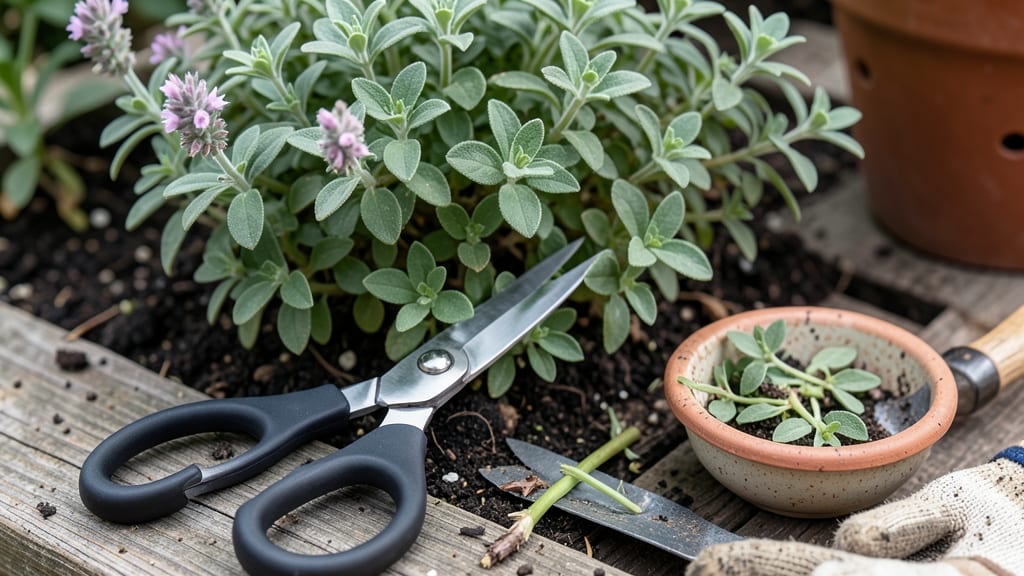
To harvest oregano so it keeps growing, focus on cutting stems just above leaf nodes and never removing more than one-third of the plant at once.
Struggling to keep your oregano thriving after harvesting? Many gardeners accidentally stunt growth by cutting too much—or in the wrong way. The secret to a lush, productive oregano bush lies in strategic pruning techniques that encourage regrowth while preserving flavor and vigor.
Oregano 🌿 is a hardy perennial that rewards patience, but timing matters. Harvesting too early in the season or cutting back too aggressively can leave your plant leggy and sparse.
Instead, wait until the plant has fully recovered from winter and is actively growing—typically in late spring or early summer—before making your first cuts.
In this guide, I’ll walk you through the exact steps to harvest oregano without sacrificing its future growth. You’ll learn when to trim, which stems to prioritize, and how to avoid common mistakes that leave your plant struggling to bounce back.
The right way to harvest oregano without killing growth
Harvesting oregano correctly is the difference between a thriving perennial herb and a struggling annual. Oregano grows best when you mimic natural pruning cycles—cutting just enough to stimulate new growth while preserving the plant's energy reserves.
The key is timing: harvest before flowering when the leaves are most aromatic, but never take more than one-third of the plant at once. This ensures your oregano stays bushy and productive for years.
Most gardeners make two critical mistakes: cutting too aggressively or harvesting at the wrong time. Over-pruning weakens the plant, while harvesting after flowering reduces flavor and oil content.
Instead, focus on selective trimming of the outer stems to encourage dense, aromatic foliage. With the right approach, your oregano can produce year-round harvests with minimal stress.
How to Harvest Oregano for Maximum Regrowth
- 1 Choose the right time: Harvest in the morning after dew dries (6-8 AM) when essential oils are at peak concentration. Avoid harvesting after flowering—this reduces flavor and oil content.
- 2 Select stems wisely: Target outer stems (not the center) that are slightly woody but flexible. Avoid cutting new growth—this stunts bushiness. Use clean, sharp scissors to prevent tearing.
- 3 Cut at the right angle: Make cuts just above a leaf node (where leaves meet the stem) at a 45-degree angle. This encourages new shoots to grow from that node. Never cut into old wood—it won’t regrow.
- 4 Limit harvest volume: Remove no more than 1/3 of the plant in a single session. For a mature oregano bush, this means 3-4 stems max. Frequent small harvests yield better results than occasional heavy cuts.
- 5 Seasonal timing matters: Harvest spring through early summer for the strongest flavor. In fall and winter, reduce harvesting to allow the plant to recover. Never harvest when soil is frozen or during drought stress.
- 6 Post-harvest care: After cutting, water deeply to compensate for lost foliage. Apply a light mulch (straw or shredded leaves) to retain moisture and encourage root growth. Avoid fertilizing immediately—wait 2-3 weeks.
Using sharp pruning shears or clean kitchen scissors makes all the difference. Dull blades crush stems, inviting disease and slowing regrowth. I always keep a small pair dedicated to herbs—it’s worth the investment for clean cuts that heal faster.
Pro tip: Disinfect tools with rubbing alcohol between plants to prevent cross-contamination.
Your oregano’s regrowth speed depends on two factors: light exposure and soil moisture. After harvesting, place potted oregano in the sunniest spot possible (6+ hours of direct light).
If outdoors, ensure it’s in well-draining soil—oregano hates soggy roots. Within 2-3 weeks, you’ll see new shoots emerging from the nodes you cut above.
For container-grown oregano, harvesting encourages bushier growth because the plant focuses energy on lateral branches. In-ground oregano may spread more aggressively, but the same pruning rules apply.
The goal is to maintain a compact shape while maximizing leaf production. Over time, your oregano will develop a thicker, more aromatic profile from consistent, gentle harvesting.
If your oregano starts looking leggy or sparse after harvesting, it’s a sign you’re cutting too much or too often. Reduce harvest frequency and focus on pinching back new growth (removing the top set of leaves) to encourage branching. This technique works wonders for reviving woody stems and restoring density.
Remember: Oregano is a perennial in most climates (USDA Zones 5-10), meaning it can live for
Oregano pruning mistakes that stop regrowth (and how to fix them)
When harvesting oregano, many gardeners unknowingly create problems that prevent their plants from recovering. The most common mistake is cutting too much at once, which stresses the plant and leaves it vulnerable to pests or disease.
Oregano is resilient, but even hardy perennials need time to regenerate after heavy pruning.
Another frequent error is pruning at the wrong time of year. Harvesting during dormancy (late fall or winter) or right after transplanting can shock the roots and stunt new growth. Always wait until spring when the plant is actively growing before making significant cuts.
Finally, many gardeners make the mistake of cutting stems too close to the base or at the wrong node. This removes the plant's ability to produce new shoots, leaving bare stems that never recover. The key is precision—cutting just above a leaf node where new growth can emerge.
⚠️ Warning: How NOT to Harvest Oregano
Avoid these critical mistakes that prevent regrowth:
- Never cut more than 1/3 of the plant at once—this stresses the roots and leaves it vulnerable.
- Don't trim during dormancy (fall/winter)—wait until spring when new growth begins.
- Never cut at the base—always leave at least 2-3 inches of stem above the soil.
- Avoid cutting above leaf nodes—this removes the plant's ability to produce new shoots.
If you've already made these mistakes, don't panic—oregano is forgiving. Start by reducing harvest frequency to let the plant recover. Focus on cutting only the outermost stems first, which are less critical for the plant's structure. This allows the center to regenerate while you still get leaves for cooking.
For plants that look leggy or sparse, prune back by about one-third in early spring. This encourages bushier growth by promoting new shoots from lower nodes. After pruning, water deeply and fertilize lightly with a balanced organic fertilizer (5-10-10) to support recovery.
Remember, oregano thrives on consistency over quantity. A well-timed, gentle harvest will keep your plant lush and productive for years. The goal is to encourage regrowth, not to strip the plant bare—think of it as a haircut that leaves enough length for new growth to fill in.
With the right approach, your oregano will bounce back stronger than ever, giving you a year-round supply of flavorful leaves for your kitchen. 🌿