
How To
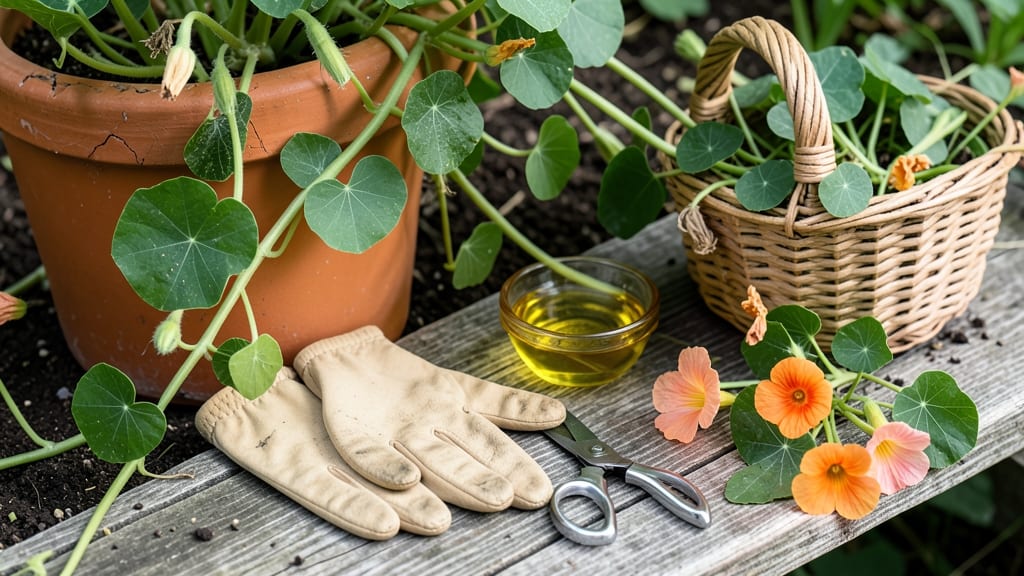
To harvest nasturtium 🌸 at the peak of flavor and freshness, pick flowers when fully open and leaves just before they reach full size.
Did you know these bright blooms aren’t just pretty—they’re edible powerhouses packed with peppery flavor and vibrant color? Whether you’re adding them to salads or saving seeds for next year, timing is everything.
You’ll want to avoid damaging the plant while harvesting, so I’ll show you the best tools and techniques to keep your nasturtium thriving all season long.
From morning flowers to seed pods ready for replanting, this guide covers the best times to harvest and how to store what you pick for maximum use.
When and how to harvest nasturtium flowers for culinary use
Harvesting nasturtium flowers at the perfect moment transforms your garden into a gourmet kitchen. The best time to pick these edible blooms is early morning when dew has evaporated but before the sun intensifies their flavors.
This timing preserves their peppery kick and vibrant colors, making them ideal for garnishes or salads. Avoid harvesting after rain, as moisture can dull their flavor and make them soggy.
Not all nasturtium varieties are created equal when it comes to edibility.
The 'Alaska' variety is a top choice for beginners, offering delicate white and pale yellow blooms perfect for culinary use. 'Jewel Mix' and 'Empress of India' also deliver bold flavors and stunning colors, but always confirm your specific variety is edible before harvesting.
Ornamental nasturtiums may look similar but can be toxic, so double-check before picking.
Here’s a quick guide to help you identify the best flowers to harvest and avoid common mistakes:
To harvest nasturtium flowers without damaging your plants, use a pair of clean pruners or sharp scissors. Cut the stem just above a leaf node to encourage new growth and more blooms. Avoid tugging flowers by hand, as this can uproot tender stems or leave jagged cuts that invite pests.
Always harvest only 1/3 of the plant at a time to ensure continuous flowering throughout the season.
When selecting flowers, focus on those with fully open petals and vibrant colors. These blooms are at their peak flavor and texture. If you notice any yellowing leaves or wilting petals, these are signs the flower is past its prime and should be removed.
Store harvested flowers in a paper towel-lined container in the fridge for up to 3 days to maintain freshness.
Did you know the leaves of nasturtiums are also edible? Young, tender leaves can be harvested alongside flowers and add a mild peppery taste to salads or sandwiches.
Always wash leaves thoroughly before eating to remove any dirt or pests. For the best flavor, harvest leaves in the morning when they’re crisp and hydrated.
If you’re growing nasturtiums for both culinary and ornamental purposes, prioritize harvesting flowers from the outer edges of the plant first. This approach allows the center to continue blooming while giving you a steady supply of edible flowers.
Avoid overharvesting, as this can stress the plant and reduce its overall vigor and flower production.
For a continuous harvest, consider planting nasturtiums in succession every 2-3 weeks throughout the growing season. This staggered approach ensures you always have fresh flowers and leaves ready for the kitchen. Pair your nasturtiums with companion plants like bush beans or radishes to maximize garden space and improve soil health.
Remember, the key to a successful nasturtium harvest lies in timing, technique, and variety selection. By following these tips, you’ll enjoy a bountiful supply of flavorful, vibrant flowers
Step-by-step guide to harvesting nasturtium seed pods for regrowth
Saving nasturtium seed pods is a fantastic way to grow new plants next season without buying seeds. These peppery, edible flowers produce unique seed pods that are easy to collect once you know what to look for.
The key is timing—harvest them at the right stage to ensure viable, high-quality seeds for your future garden.
Seed pods start as green, pea-like structures behind the flowers. As they mature, they turn wooden-brown and papery, signaling they're ready for harvest. If you wait too long, the pods may split open naturally, scattering seeds everywhere.
This guide will walk you through the process so you can preserve seeds and avoid common mistakes.
How to Harvest Nasturtium Seed Pods
- Step 1: Wait until seed pods turn brown and feel dry to the touch. This usually happens 6-8 weeks after flowering.
- Step 2: Use clean, sharp scissors or pruners to snip the pods from the stem. Leave 1-2 inches of stem attached.
- Step 3: Place pods in a paper bag or open container to dry for 1-2 weeks in a warm, dry, well-ventilated area.
- Step 4: Once completely dry, gently rub the pods between your hands to release seeds. Store in a sealed envelope or jar in a cool, dark place.
- Step 5: Label your seeds with the variety name and harvest date to track them for next season.
When drying your seed pods, avoid using a heat source like an oven or direct sunlight, as this can damage seed viability. Instead, opt for a shady, airy spot like a pantry or basement shelf. Proper drying ensures your seeds stay fresh and ready for planting in spring.
One common mistake is harvesting pods too early. If pods are still green or soft, they won’t produce viable seeds. Always check for a papery texture and brown color before harvesting. This simple check saves time and frustration later.
Store your dried seeds in a sealed container with a silica gel packet to absorb moisture. Label the container with the harvest year and variety to keep your seed collection organized.
With proper storage, nasturtium seeds can remain viable for 2-3 years, giving you plenty of time to grow new plants.
Once your seeds are ready, you can direct-sow them in spring after the last frost. Nasturtiums are fast-growing and thrive in full sun, making them perfect for container gardens or flower beds. Happy harvesting—your future garden will thank you!