
How To
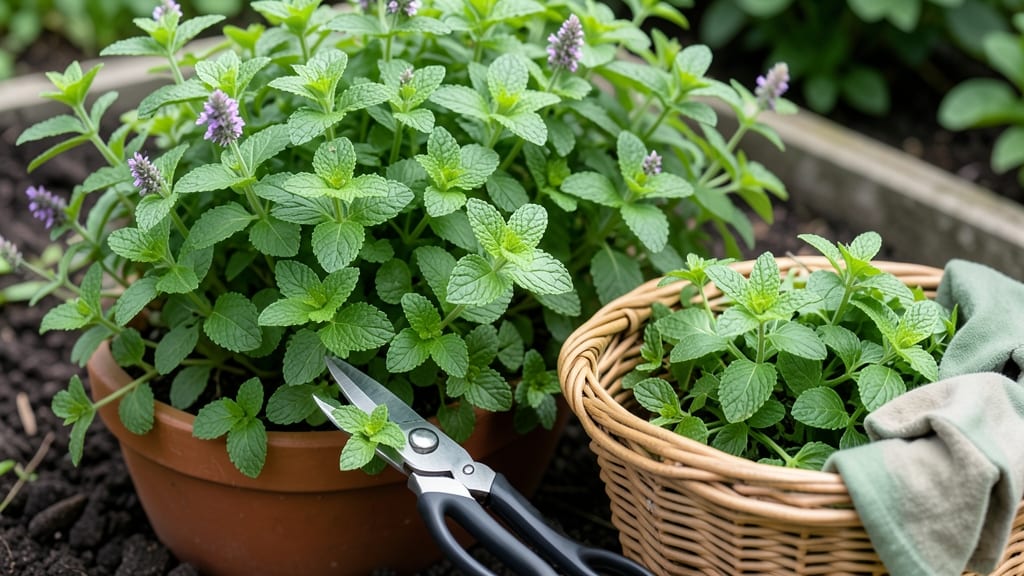
Harvesting mint at the right time means snapping stems that break cleanly for the best flavor—and avoiding the bitter, woody taste that sets in when you wait too long.
Picture this: you crush a leaf and get that bright, zesty aroma that makes cocktails and dishes pop. That’s your cue to grab the stems before they toughen up.
But miss that window, and you’re left with stems that snap with a dry crack instead of a crisp break—plus a plant that’s on its way to flowering, which ruins the flavor entirely.
This isn’t just about timing—it’s about technique. Learn how to prune mint properly so your plant stays lush, how often to harvest without stunting growth, and the simple tricks to dry or store your bounty so it keeps that fresh-picked taste for months.
Whether you’re a beginner or a seasoned gardener, these steps will turn your mint patch into a year-round flavor factory—no guesswork, just bold, aromatic leaves every time you reach for them.
When to harvest mint for maximum flavor and growth
Harvesting mint at the right time ensures bold flavor and vigorous regrowth. The key is timing—wait too long, and you risk woody stems and bitter leaves. But how do you know when your mint is ready?
The answer lies in a simple stem snap test, combined with visual cues like leaf color and plant maturity.
Mint plants typically reach harvest-ready status about 60-75 days after planting, but this varies by variety. For example, peppermint and spearmint mature faster than chocolate mint.
The best time to harvest is when stems are 4-6 inches tall and leaves are fully formed, with a vibrant green color and a strong aroma when crushed.
🌿 How to Test if Mint is Ready to Harvest
- 🌱 Stem Snap Test: Gently pinch a stem between your thumb and forefinger. If it snaps cleanly (not bends or breaks), the plant is ready. This indicates tender stems and peak flavor.
- 💚 Leaf Color: Look for dark green, glossy leaves. Yellowing or pale leaves mean the plant is stressed or overripe.
- 👃 Aroma Check: Crush a few leaves between your fingers. A strong, fresh mint scent confirms readiness. Weak or no smell means it’s too early.
- ⏰ Seasonal Timing: Harvest in late spring to early fall (June-September in most climates). Avoid harvesting in extreme heat or cold snaps, as this stresses the plant.
- 🌸 Avoid Flowering: If you see buds or flowers, harvest immediately. Flowering signals the end of the plant’s flavorful phase and can make leaves taste bitter.
Seasonal timing plays a crucial role in mint flavor. In spring, harvest when new growth appears after the last frost. During summer, focus on morning harvests to avoid the harsh afternoon sun, which can concentrate flavors but also stress the plant.
In fall, harvest before the first frost to preserve the plant’s energy for next year.
One common mistake is waiting until mint plants are too tall or woody. When stems become thick and fibrous, the leaves lose their delicate flavor. Regular harvesting—every 4-6 weeks—encourages bushier growth and prevents woody stems.
Think of it like pruning a hedge: frequent, light cuts keep the plant healthy and productive.
For container-grown mint, the same rules apply, but pay extra attention to root space. Overcrowded roots can lead to stunted growth and weaker flavor. If your potted mint outgrows its container, it’s time to divide and repot—or harvest aggressively to stimulate new growth.
Pro tip: Harvest mint in the morning after dew has evaporated but before the sun intensifies. This ensures the highest essential oil content, which is what gives mint its signature punch. Store harvested mint in the fridge for up to 2 weeks or dry it for long-term use.
If your mint plant starts to flower, act fast. Flowering is a sign the plant is shifting its energy from leaf production to seed-making. Snip off any flower buds immediately to redirect energy back to the leaves. This keeps your mint flavorful and lush for weeks longer.
Finally, never harvest more than one-third of the plant at a time. This rule protects the plant’s health and ensures it has enough energy to regenerate quickly. Over-harvesting can lead to leggy, sparse growth and even plant death in extreme cases.
By mastering the stem snap test and watching for these visual cues, you’ll always know when to harvest mint for maximum flavor and growth. Happy harvesting! 🌱
Step-by-Step mint harvesting technique: the snap method explained
Harvesting mint using the snap method is the secret to keeping your plant lush and your leaves bursting with flavor. Unlike cutting with scissors—which can damage stems—snapping encourages new growth while preventing those dreaded woody stems that ruin the taste.
The key is timing and technique, and I’ll walk you through every step so you can harvest like a pro.
Before you snap, check for these ready-to-harvest signs: stems should be 4-6 inches tall, leaves dark green and fragrant, and the plant should have at least 4-6 sets of mature leaves.
If you see flower buds forming, you’ve missed the boat—those buds signal the plant is shifting focus from leaves to reproduction, and the flavor will turn bitter.
- 🌿 Step 1: Locate the Growth Point
Choose a stem with 4-6 sets of leaves (counting from the bottom). This ensures you leave enough foliage for regrowth. - 🌱 Step 2: Position Your Thumbs
Place your thumbs about 1 inch below the top set of leaves. Grip firmly but gently—you’re not squeezing, just stabilizing. - ✂️ Step 3: Snap with Confidence
Firmly pinch the stem between your thumbs. It should break cleanly at the base with a crisp sound. If it resists, the stem is too woody—wait until it’s younger. - 🌿 Step 4: Repeat for Bushier Growth
Harvest 1/3 of the plant at a time to avoid shocking it. Focus on the outer stems first to encourage inner growth. - 💧 Step 5: Post-Harvest Care
Water the plant deeply after harvesting to support recovery. Avoid fertilizing immediately—let it recover for 3-5 days before feeding again.
The snap method isn’t just about harvesting—it’s about encouraging regrowth. By always snapping just below a leaf node (where leaves meet the stem), you trigger new shoots to form there. This keeps your mint bushy and productive, rather than letting it grow tall and leggy.
Pro tip: If you’re unsure where to snap, look for the small bump at the leaf base—that’s your target zone.
Frequency is key to maintaining continuous mint production. Harvest every 4-6 weeks during the growing season (spring to early fall), but never take more than 1/3 of the plant at once.
Over-harvesting stresses the plant and can lead to woody stems or even death. In winter, reduce harvesting to once every 8-10 weeks as growth slows down.
For year-round mint, consider growing it in containers—this makes it easier to bring indoors before the first frost. Even if you’re harvesting outdoors, always use clean, sharp tools (or your fingers) to avoid spreading disease.
And if you’re drying your harvest, bundle stems together and hang them upside down in a dark, dry, well-ventilated space for 1-2 weeks.
Now that you’ve mastered the snap, your mint will stay flavorful, fragrant, and vigorous for seasons to come. The next time you crush a leaf and get that bright, zesty aroma, you’ll know you’ve nailed the perfect harvest—no guesswork, just bold, fresh mint ready for your favorite recipes. 🌿