
How To
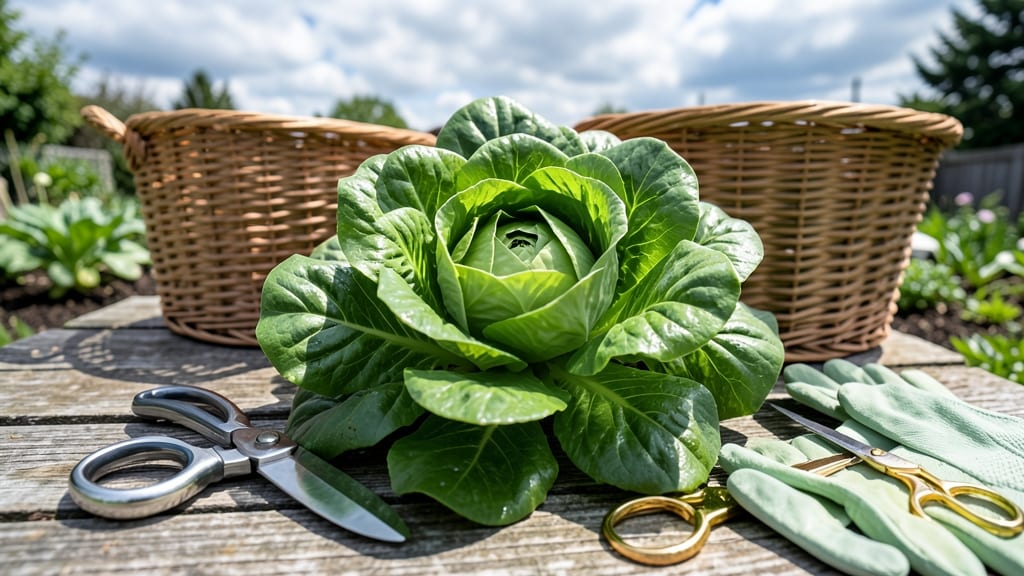
To harvest lettuce 🥬 the right way, focus on the outer leaves first—this keeps your plants producing fresh greens for weeks.
Want fresh, homegrown lettuce all season long? Mastering the outer-leaf harvesting technique is the secret to extending your harvest by weeks—without sacrificing plant health or flavor.
Most gardeners make the mistake of cutting the whole head at once, which ends the harvest. Instead, snip just the outer leaves, leaving the inner core to regrow.
In this guide, I’ll walk you through the exact timing, tools, and steps to maximize your yield—plus how to spot when your lettuce is ready or overdue for harvest.
Step-by-step outer-leaf lettuce harvesting technique for continuous regrowth
Harvesting lettuce the right way can turn a single planting into a season-long supply of crisp, flavorful greens. The outer-leaf method is my go-to technique because it lets the inner leaves keep growing while you enjoy fresh salads.
This approach works for loose-leaf varieties like Buttercrunch and romaine types—just avoid harvesting head varieties like Iceberg this way.
The key to success lies in timing and technique. Harvest too early, and you’ll stunt growth; harvest too late, and the leaves turn bitter. By focusing on the outermost leaves (those larger than 4-6 inches), you encourage the plant to produce even bigger, more flavorful inner leaves.
This method can extend your harvest by 4-6 weeks compared to cutting the whole head at once.
Before you begin, gather your tools: a sharp pair of pruning shears or clean kitchen scissors, a bowl for harvested leaves, and a spray bottle with water (to keep the plant hydrated).
Work on a cool morning after the dew has dried—this minimizes stress on the plant and keeps your harvest crisp.
- Step 1 Inspect the plant for mature outer leaves (4-6 inches long). Look for leaves that are fully unfurled and deep in color. Avoid harvesting leaves that are still curled or pale—they’re not ready yet.
- Step 2 Hold the leaf firmly at its base with one hand. Use your other hand to guide the shears or scissors just above the lowest set of leaves on the stem. This ensures you leave enough growth tissue for regrowth.
- Step 3 Cut at a 45-degree angle (about 1/4 inch above the next leaf). This prevents water from pooling on the stem, which can cause rot. A clean cut also looks more professional and reduces stress on the plant.
- Step 4 Remove only 1/3 of the plant’s leaves at a time. This rule prevents over-stressing the lettuce. For example, if your plant has 12 mature outer leaves, harvest just 4 of them in the first session.
- Step 5 Store harvested leaves in a perforated plastic bag in the fridge. Place a paper towel in the bag to absorb moisture. Use these leaves within 3-5 days for the best texture and flavor.
- Step 6 Water the plant immediately after harvesting. Use a gentle spray to avoid dislodging soil. This helps the lettuce recover faster and encourages new growth. Follow up with a light mulch (like straw) to retain moisture.
- Step 7 Monitor regrowth over the next 7-10 days. If new outer leaves emerge and reach 4-6 inches, repeat the process. With proper care, a single lettuce plant can yield 3-5 harvests in a season!
One of the biggest mistakes I see is harvesting too aggressively. If you remove more than 1/3 of the leaves at once, the plant may struggle to recover, leading to bolting (flowering) or stunted growth. Always prioritize leaving the inner leaves intact—they’re the future of your harvest.
Another pro tip: Rotate your harvests around the plant. For example, harvest from the north side first, then the east, south, and west in subsequent sessions. This ensures even growth and prevents one side of the plant from becoming overcrowded.
Over time, you’ll notice the inner leaves grow larger and more flavorful than the original outer leaves.
For head varieties like romaine, you can still use the outer-leaf method, but with a twist. Start harvesting when the outer leaves reach 6-8 inches, leaving the tight inner head to mature.
Once the head is fully formed, you can harvest it whole. This hybrid approach gives you early salads plus a full head later in the season.
If your lettuce starts to bolt (send up a flower stalk), it’s a sign you’ve waited too long between harvests or the plant is stressed. To prevent this, harvest every 7-10 days during peak growth and keep the soil consistently moist (but not soggy).
Bolting makes leaves bitter, so act fast if you spot a tall stalk—remove it immediately to redirect the plant’s energy back to leaf production.
With practice, you’ll develop a rhythm with your lettuce plants. I like to harvest mine on Mondays and Thursdays during the growing season, giving them time to recover between sessions. Over time, you’ll have a continuous supply of fresh greens without needing to replant constantly.
5 Common mistakes that kill lettuce regrowth (and how to avoid them)
Even experienced gardeners accidentally stunt their lettuce's regrowth by making simple mistakes. One of the biggest is harvesting too aggressively—cutting more than one-third of the plant at once. This shocks the lettuce and halts new growth, leaving you with sparse, bitter leaves instead of a thriving head.
Another frequent error is choosing the wrong leaves to harvest. Selecting the innermost, tender leaves instead of the outer ones damages the plant’s growth center. The outer leaves are designed to be harvested first—they’re tougher and won’t compromise the core where new leaves form.
Timing also plays a crucial role. Harvesting when leaves are too small or too mature can backfire. Tiny leaves lack flavor, while over-mature leaves bolt (send up a flower stalk), turning bitter and woody. Aim for leaves that are 4-6 inches long and still crisp.
⚠️ How to Harvest Lettuce Without Killing Regrowth
Do: Snip outer leaves 1 inch above the base with clean scissors. Leave the inner rosette intact—this is where new growth emerges.
Don’t: Pull leaves by hand (risks damaging roots) or harvest more than 1/3 of the plant at once. Avoid cutting into the heart of the lettuce.
Pro Tip: Harvest in the morning after dew dries but before the sun peaks. This keeps leaves crisp and reduces stress on the plant.
Poor soil conditions can also sabotage regrowth. Lettuce needs rich, nitrogen-heavy soil to bounce back after harvesting. If your soil is depleted, the plant won’t have the energy to produce new leaves. Add a balanced fertilizer (5-10-10) every 4-6 weeks during the growing season.
Overlooking watering consistency is another silent killer. Lettuce roots are shallow, so they dry out quickly. Let the soil dry between waterings, and you’ll see leaves turn limp and stop regenerating. Keep the soil evenly moist—not soggy, not bone-dry—to encourage steady growth.
Finally, ignoring heat stress can turn your lettuce into a sad, bolted mess. When temperatures rise above 75°F (24°C), lettuce bolts rapidly. To delay bolting, provide afternoon shade with a row cover or mulch heavily to keep roots cool.
This simple trick can extend your harvest by 2-3 weeks in hot climates.