
How To
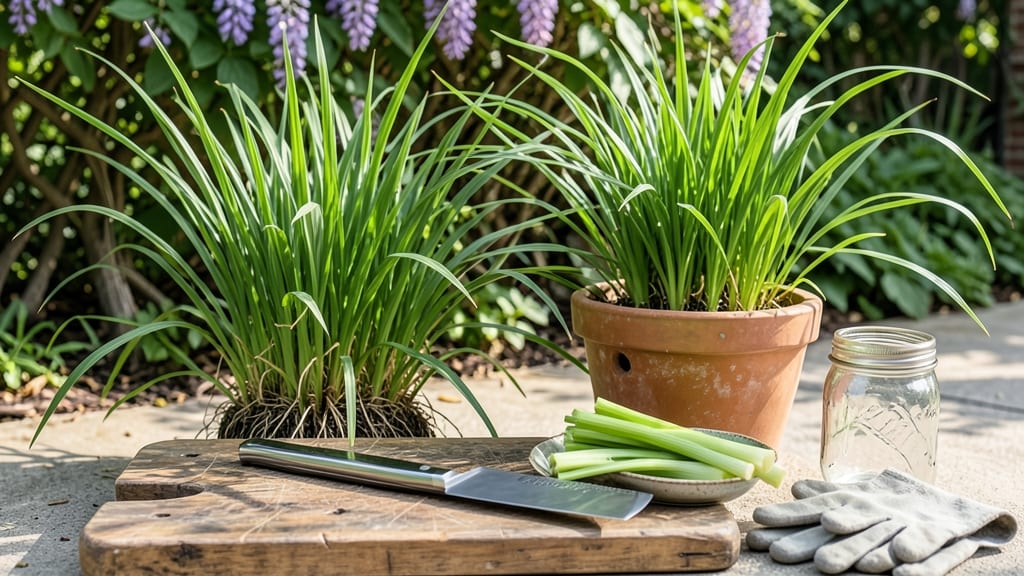
To harvest lemongrass without killing the plant, always cut 3 inches above the ground—never lower—using clean, sharp scissors to avoid damaging the core.
Harvesting lemongrass incorrectly can stunt its growth—or worse, kill your plant—but with the right technique, you’ll get fresh stems for months while keeping your plant thriving.
This simple trick preserves the plant’s energy, ensuring it regrows quickly and stays productive for future harvests. The key is patience: never take more than one-third of the stalks at once, and always leave the inner core intact.
Below, I’ll show you the exact cutting height, the best time of year to harvest, and how to spot when your lemongrass is ready—so you can enjoy fresh, flavorful stems without sacrificing your plant’s health.
Correct lemongrass harvesting technique: where and how to cut for maximum regrowth
Harvesting lemongrass at the right time and height ensures your plant keeps producing fresh stalks for months. The key is cutting 3+ inches above ground—this preserves the plant’s energy reserves while allowing regrowth. If you cut too low, you risk damaging the root system and stunting future harvests.
Timing matters too. Harvest when stalks reach 12-18 inches tall and have a firm, woody base. This ensures the plant has stored enough energy to bounce back. Use a sharp pair of pruning shears or a clean knife to make precise cuts, reducing stress on the plant.
How to Harvest Lemongrass Without Killing the Plant
- Step 1: Wait until stalks are 12-18 inches tall with deep green leaves and a woody base.
- Step 2: Use sterilized pruning shears or a sharp knife to cut 3+ inches above ground.
- Step 3: Harvest outer stalks first, leaving the inner core to regrow for future harvests.
- Step 4: Avoid cutting more than 1/3 of the plant at once to prevent stress.
- Step 5: Store harvested stalks in a plastic bag in the fridge for up to 2 weeks or freeze for longer storage.
After harvesting, your lemongrass plant will start sending up new shoots from the base within 3-6 weeks. To encourage regrowth, water the plant deeply after cutting and apply a balanced fertilizer (like 10-10-10) every 4-6 weeks during the growing season.
Never harvest immature stalks—they won’t regrow properly and may leave your plant weak. Instead, focus on the outer stalks that are fully mature. This method ensures your plant stays healthy and productive for years.
If your lemongrass is in a container, be extra cautious with cutting height. Smaller pots have limited root space, so cutting too low can restrict regrowth. Always leave at least 3 inches of stem above the soil to avoid stress.
Seasonal timing also plays a role. In spring and summer, lemongrass grows fastest, so you can harvest more frequently. In fall and winter, growth slows, so reduce harvesting to let the plant recover.
Watch for signs of over-harvesting, like yellowing leaves or stunted growth. If you see these, scale back and give your plant time to recover. With the right technique, you’ll enjoy a steady supply of fresh lemongrass all year round.
Pro tip: Use a notebook to track harvest dates and regrowth times. This helps you plan future cuts and avoid over-harvesting. Over time, you’ll learn your plant’s rhythm and maximize its productivity.
With these steps, your lemongrass will thrive, providing you with fresh stems for cooking, teas, or crafts—without ever risking its health. Happy harvesting! 🌿✂️🌱
Lemongrass regrowth timeline: how often you can harvest without harming the plant
Understanding your lemongrass regrowth timeline is key to maintaining a healthy plant while enjoying fresh harvests. After cutting stalks 3+ inches above ground, your plant enters a 3-6 week regrowth phase where it focuses energy on producing new shoots from the base.
This timeline varies based on seasonal growth and care—spring and summer see faster recovery, while fall and winter slow it down.
In spring and summer, your lemongrass can regrow quickly, often ready for another harvest in just 3-4 weeks. During these peak growing months, you can harvest every 4-6 weeks without harming the plant.
However, in fall and winter, growth slows, and regrowth may take 6-8 weeks, so reduce harvesting frequency to avoid stressing the plant.
To maximize regrowth, always leave at least 3 stalks uncut after each harvest. This ensures the plant maintains its energy reserves for future growth. After cutting, give your lemongrass a deep watering and a light application of balanced fertilizer (like 10-10-10) to support recovery.
Avoid fertilizing in winter months, as the plant enters a slower growth phase.
Watch for warning signs of over-harvesting, such as yellowing leaves, stunted growth, or fewer new shoots. If you notice these, reduce harvesting frequency and focus on soil health and watering.
A healthy lemongrass plant can produce fresh stalks for years with proper care and sustainable harvesting practices.
In frost-free zones, you can harvest lemongrass year-round, but always adjust for seasonal growth patterns. If you live in colder climates, harvest only in spring and summer and let the plant rest during winter.
With patience and attention to regrowth cycles, you’ll enjoy a steady supply of fresh lemongrass without harming your plant.
Pro tip: Mark your harvest dates on a calendar to track regrowth patterns. Over time, you’ll learn your plant’s rhythm and can harvest more confidently. A well-cared-for lemongrass plant can yield multiple harvests per year while staying vibrant and healthy.