
How To
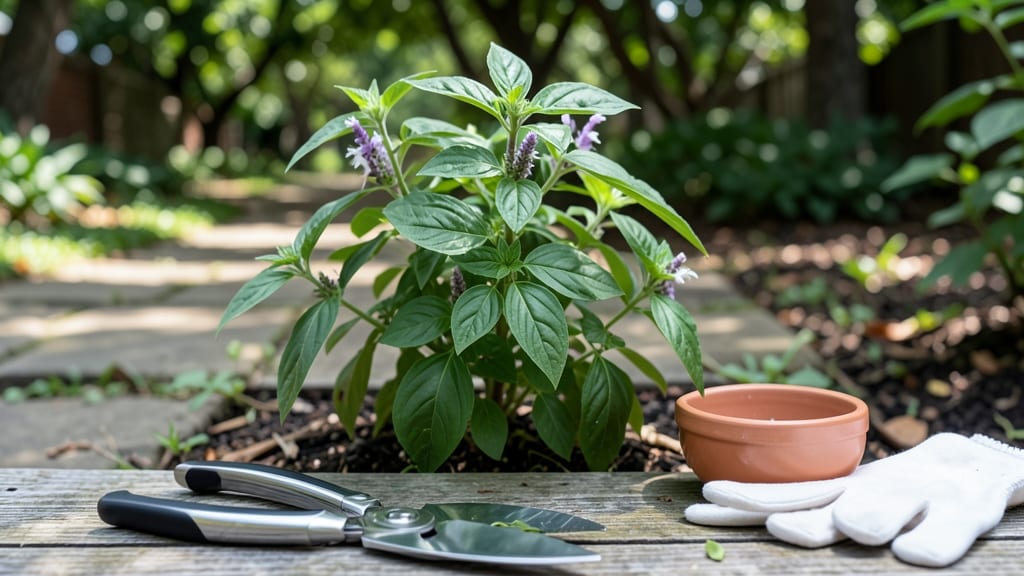
To harvest holy basil at its peak flavor, focus on leaf color and timing—deep green, vibrant leaves packed with aromatic oils are your best indicator of readiness.
Holy basil isn’t just a sacred herb—it’s a flavor powerhouse, but harvesting at the wrong time can turn your culinary dreams into bitter disappointment. Discover the secret leaf color cues that guarantee peak flavor and maximize your plant’s potential.
You’ll learn when to snip for the strongest aroma (hint: it’s not when the flowers appear), how to encourage regrowth without stressing your 🌿 holy basil, and the simple tools that make harvesting effortless.
From fresh pesto to medicinal teas, proper harvesting ensures your basil stays productive all season—so let’s dive into the techniques that keep your plant thriving and your kitchen bursting with flavor.
When to harvest holy basil by leaf color: 3 key visual cues
Harvesting holy basil at the right time transforms it from a mere herb to a flavor and aroma powerhouse. The secret lies in its leaf color, which reveals its flavor intensity and medicinal potency.
Unlike regular basil, holy basil’s hues shift dramatically, signaling when to pluck for the best results. Ignoring these cues can lead to bitter leaves or diminished therapeutic benefits.
Science explains this phenomenon through chlorophyll and anthocyanin levels. Chlorophyll gives leaves their green hue, while anthocyanins create purple tones—both directly impact the plant’s essential oil composition. When you spot these color changes, it’s your cue to act.
For example, deep green leaves pack the most culinary punch, while purple-tinged ones offer heightened adaptogenic properties.
Here’s the color-coded harvest guide you need to master holy basil harvesting:
| Leaf Color | Harvest Stage | Flavor Profile | Medicinal Value | Best For |
|---|---|---|---|---|
| Deep Green | Early to Mid-Growth | Bright, peppery, citrusy | High antioxidant content | Culinary use, teas |
| Purple-Tinged | Late Growth (Pre-Flowering) | Earthy, slightly bitter | Adaptogenic, stress-relief | Medicinal infusions, rituals |
| Yellowing | Over-Mature (Avoid) | Bitter, harsh | Reduced potency | Compost or discard |
The deep green stage is ideal for culinary purposes, especially when leaves are fully expanded but before flowering. This is when holy basil’s essential oils are at their peak, delivering that signature peppery-citrusy kick.
For the best experience, harvest in the morning hours when oil concentrations are highest. Think of it as the "prime-time" harvest window for your kitchen creations.
As holy basil matures, you’ll notice purple hues creeping into the leaves—a sign of increased anthocyanin production. These leaves are perfect for medicinal use, particularly for stress relief and immune support.
The purple color indicates higher levels of eugenol and ocimumosides, compounds linked to its adaptogenic benefits. If you’re growing holy basil for spiritual practices, this stage is sacred—literally.
Watch out for yellowing leaves, which signal over-maturity. These leaves often taste bitter and harsh, with diminished medicinal properties. Instead of harvesting, consider pruning them to encourage new growth.
Yellowing can also indicate nutrient deficiencies or pests, so address these issues before they spread. Think of yellow leaves as nature’s way of saying, "'It’s time to refresh!'"
Pro tip: Rotate your harvests to maintain plant health. Never take more than one-third of the plant at once, and always use clean, sharp scissors. Cut just above a leaf node to stimulate bushier growth.
This method ensures your holy basil stays productive for months, not weeks. Consistent harvesting also prevents the plant from flowering too soon, which can diminish flavor.
Did you know? Holy basil’s leaf color isn’t just about aesthetics—it’s a flavor and potency barometer. The deeper the green, the more culinary versatility you unlock. Purple leaves, meanwhile, are your medicinal goldmine.
By tuning into these visual cues, you’ll harvest holy basil at its absolute peak, every single time. Now go snip those leaves with confidence! 🌿
Step-by-step harvesting techniques for holy basil leaves and stems
Harvesting holy basil correctly ensures you get the most flavorful leaves while keeping your plant healthy and productive. The key lies in timing, tools, and technique—especially when deciding whether to harvest leaves or stems.
I always harvest in the morning when essential oils are at their peak, and I never take more than one-third of the plant at once. This balance prevents stress while encouraging bushier growth for continuous yields.
How to Harvest Holy Basil
- Gather your tools: Use clean, sharp pruning shears or scissors (never your fingers!) to avoid crushing stems.
- Identify the right leaves: Look for vibrant green leaves with a strong aroma—these are ready for harvest.
- Cut at a 45-degree angle: Snip just above a leaf node (where leaves meet stems) to encourage new growth.
- Harvest stems for regrowth: For woody stems, cut back to 4-6 inches above the base to stimulate bushier growth.
- Avoid over-harvesting: Never remove more than 30% of the plant at once to prevent shock.
- Frequency matters: Harvest leaves every 2-4 weeks and stems every 6-8 weeks for best results.
Pro Tip: Rinse leaves in cool water and pat dry to remove dirt before storing.
One common mistake is harvesting flowering stems—this drains the plant’s energy and reduces leaf production. Always prioritize leaves over flowers to maintain flavor and yield.
To encourage bushier growth, I pinch off the top sets of leaves when the plant reaches 6-8 inches tall. This redirects energy to side shoots, giving you a fuller, more productive plant.
After harvesting, store leaves in a paper towel-lined container in the fridge for up to 5 days or dry them for long-term use. Proper storage keeps your basil fresh and ready for recipes.
With these techniques, your holy basil will stay productive all season, giving you a steady supply of aromatic leaves for cooking and remedies. Happy harvesting! 🌿✂️🌱