
Flowers
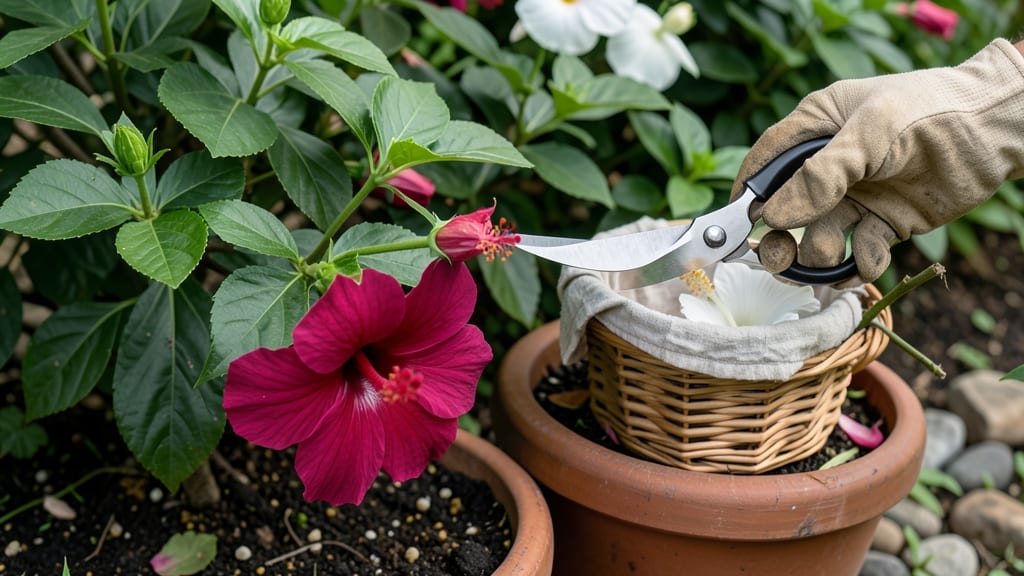
Harvesting hibiscus flowers at the perfect stage keeps your 🌸 plants blooming longer and looking their best.
Did you know harvesting hibiscus flowers at the right stage can extend your plant’s blooming season by up to 50%? Mastering this simple technique ensures vibrant, long-lasting blooms while keeping your hibiscus healthy and thriving.
Timing is everything: pick fully open flowers in the morning when petals are bright and stems feel firm. This preserves their beauty and signals the plant to produce even more blooms.
Inside, you’ll discover the best tools for the job, how to prune for continuous growth, and whether to harvest for bouquets, teas, or culinary uses.
When and how to harvest hibiscus flowers for maximum longevity
Harvesting hibiscus flowers at the right time can make all the difference between short-lived blooms and vibrant, long-lasting flowers that keep your garden stunning. The key lies in understanding flower maturity, optimal harvesting times, and gentle techniques that preserve both bloom quality and plant health.
When done correctly, you'll encourage your hibiscus to produce even more flowers throughout the season.
Timing is everything with hibiscus. I've found that harvesting in the early morning (between 6-9 AM) yields the freshest, most resilient blooms. This is when flowers are fully hydrated and their stems are firm, making them ideal for cutting or arranging.
Morning harvests also prevent wilting that often occurs when flowers are exposed to afternoon heat and humidity.
Before you begin harvesting, check for these visual maturity signs: fully unfurled petals, vibrant color, and a firm stem. Avoid harvesting flowers that are still partially closed or showing signs of browning at the edges.
These visual cues ensure you're picking flowers at their peak, which directly impacts their longevity once cut or used.
Here's a quick reference to help you identify the perfect moment to harvest:
| Harvest Stage | Key Characteristics | Best Time | Longevity Tip |
|---|---|---|---|
| Early Bud Stage | Petals tightly closed, green bud visible | Avoid harvesting | Wait for full bloom |
| Partially Open | Petals beginning to unfurl, pale color | Not ideal | Wait 1-2 days |
| Fully Open | Petals completely unfurled, vibrant color, firm stem | 6-9 AM (morning) | Best for cutting/arranging |
| Late Stage | Wilting petals, browning edges, soft stem | Avoid harvesting | Remove damaged blooms |
When harvesting, always use clean, sharp pruners or scissors to make clean cuts just above a leaf node. This prevents damage to the plant and encourages new growth.
I like to use pruners sterilized with rubbing alcohol to prevent spreading any potential diseases between cuts. The cleaner your tools, the healthier your hibiscus will stay.
For maximum longevity, harvest flowers when they're fully open but still in peak condition. This typically occurs in the morning after the dew has evaporated but before the heat of the day sets in.
Cutting at this time ensures your harvested flowers will last longer in arrangements or when used fresh. Remember to always leave at least one or two buds on the plant to continue producing flowers.
After harvesting, immediately place flowers in a bucket of cool water to hydrate the stems. This simple step can extend their vase life by up to 3 days. If you're not using them right away, store them in the refrigerator wrapped in a damp paper towel.
Proper post-harvest care is just as important as the harvesting process itself for maintaining flower quality.
One common mistake I see is harvesting too many flowers at once, which can stress the plant. Limit yourself to harvesting no more than 20-30% of the blooms at any given time to maintain your hibiscus's health.
This balance ensures your plant continues producing flowers while giving it time to recover between harvests. Your hibiscus will thank you with an extended blooming season!
For tropical hibiscus varieties, which bloom continuously, you can harvest more frequently (every 2-3 days), while hardy varieties may need less frequent harvesting (every 5-7 days). Always adjust your harvesting schedule based on your specific hibiscus variety and its current growth stage.
Paying attention to these details will help you maintain a thriving, beautiful hibiscus plant throughout the growing season.
Pruning techniques to encourage more blooms after harvesting
After harvesting hibiscus flowers, proper pruning is essential to stimulate new growth and maintain your plant's health. The right technique encourages more blooms while keeping your hibiscus compact and well-shaped.
I've found that pruning at the right time and with the correct tools can extend the blooming season by up to 30%. The key is to remove spent flowers and shape the plant without over-stressing it.
Start by using sterilized pruning shears or sharp scissors to make clean cuts. Always cut just above a leaf node or bud, at a 45-degree angle. This angle helps water run off the cut, preventing rot.
For tropical hibiscus varieties, which bloom continuously, you can prune more aggressively throughout the growing season. Hardy varieties, however, benefit from a more structured pruning schedule tied to their seasonal growth patterns.
- 1 Identify spent blooms: Look for flowers that have fully faded or are wilting. These are ready for removal to redirect the plant's energy to new growth.
- 2 Make clean cuts: Use sterilized pruners to cut just above a leaf node at a 45-degree angle. This promotes faster healing and prevents disease.
- 3 Shape the plant: Trim back leggy growth to encourage bushier growth. Focus on removing branches that are growing inward or crossing each other.
- 4 Fertilize after pruning: Apply a balanced fertilizer (10-10-10) to support new growth. Water thoroughly to help the plant recover from pruning stress.
- 5 Monitor for new buds: Within 2-3 weeks, you should see new buds forming at the pruned areas. This indicates the plant is responding well to the pruning.
For tropical hibiscus varieties, prune lightly every 4-6 weeks throughout the growing season to maintain shape and encourage continuous blooming. Hardy varieties, on the other hand, benefit from a late winter or early spring pruning before new growth begins.
This helps rejuvenate the plant and sets the stage for a prolonged blooming season. Avoid heavy pruning in late summer or fall, as this can stress the plant and reduce winter hardiness.
One common mistake is pruning too aggressively, which can shock the plant and reduce blooming. Limit yourself to removing no more than 20-30% of the plant's foliage at any given time. Always prune on a clear, dry day to minimize stress and reduce the risk of disease.
After pruning, keep the plant well-watered and in a location with full sun exposure to support new growth.
With the right pruning techniques, your hibiscus will reward you with vibrant, long-lasting blooms throughout the season. Regular maintenance not only enhances the plant's appearance but also promotes overall health and longevity.
Your efforts will be visible in the form of a fuller, more productive hibiscus plant that continues to thrive year after year.