
How To
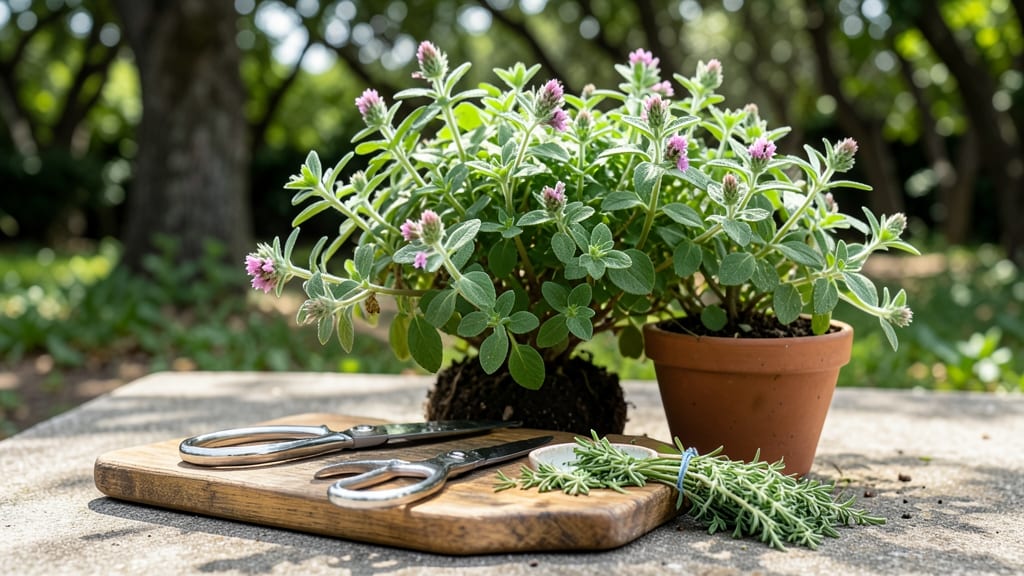
To harvest fresh oregano at its peak flavor and keep your 🌿 thriving, time your cuts right—just before flowering when the leaves are darkest and most aromatic.
Picture this: You snip a sprig of oregano, expecting bold flavor, but it tastes weak and bitter. That’s what happens when you harvest too late or too aggressively. The secret lies in knowing exactly when to trim and how to prune without harming the plant.
In this guide, I’ll walk you through the best times of year to harvest, the tools you’ll need, and the pruning tricks that ensure your oregano keeps growing lush and flavorful for years. No more guesswork—just vibrant, homegrown herbs ready for your next dish.
You’ll also discover how to store your harvest so the flavor stays strong and how to revive leggy plants that have lost their vigor. By the end, you’ll have a thriving oregano patch that’s always ready for the kitchen.
When and how to harvest oregano for maximum flavor and plant health
Harvesting your oregano plant at the right time ensures bold flavor and keeps your plant thriving for years. Unlike many herbs, oregano is a perennial in warm climates, meaning it can produce flavorful leaves year-round with proper care.
The key is timing—harvest too early, and the leaves lack potency; wait too long, and the plant becomes woody. I’ve learned that spring and early fall are the sweet spots for the most aromatic harvests, but there’s more to it than just the season.
Your oregano’s maturity plays a huge role in flavor and regrowth. Young plants need patience—wait until they’re at least 6-12 inches tall before cutting. Mature plants, on the other hand, reward you with stronger essential oils when harvested just before flowering.
This balance between harvesting leaves and allowing the plant to recover is what keeps your oregano bushy and productive. Let me break down the exact steps to get it right every time.
🌿 How to Harvest Fresh Oregano: Step-by-Step
- 📅 Timing: Harvest in spring (May-June) or early fall (September-October) for peak flavor. Avoid harvesting when flowers are fully open—this reduces potency.
- ✂️ Tools: Use clean, sharp pruning shears or scissors to avoid crushing stems. Never pull leaves—this damages the plant.
- 🌱 Cutting Technique: Snip 3-4 inches above a leaf node (where leaves grow) to encourage bushier regrowth. Avoid cutting into old, woody stems—focus on newer growth.
- 🌞 Plant Health: Never harvest more than one-third of the plant at once. This prevents stress and ensures your oregano keeps producing.
- 💧 Post-Harvest Care: Water the plant deeply after harvesting to help it recover. Add a light mulch to retain moisture.
💡 Pro Tip: Harvest in the morning after dew has dried but before the sun is harsh. This preserves oil content and flavor.
If you’re growing annual oregano (common in cooler climates), your harvest window is shorter—focus on late spring to early summer before the plant bolts. Perennial varieties, however, give you two harvest seasons per year: once in spring and again in fall.
I’ve seen my Greek oregano plants produce flavorful leaves even in mild winters if protected from frost.
The ideal maturity for harvesting is when your oregano has dark green, densely packed leaves with a strong aroma when crushed. If the leaves are pale or sparse, the plant isn’t ready.
Wait until stems are slightly woody but still flexible—this is the sweet spot for both flavor and regrowth. Over-mature oregano (with thick, woody stems) loses its potency, so don’t let it get too old.
One common mistake I see is harvesting flowering stems instead of leaves. While you can use the flowers in cooking, they reduce the plant’s oil production and flavor.
Always prioritize leafy growth for the best results. If flowers appear, snip them off to redirect the plant’s energy back into leaf production.
Seasonal considerations matter, especially if you live in a colder climate. In USDA Zone 6a or below, oregano may go dormant in winter. Avoid harvesting in late fall or winter—instead, focus on spring regrowth.
In mild climates (Zones 7-10), you can harvest year-round, but always check for new growth before cutting.
To maximize flavor retention, harvest on a dry, sunny day and process the leaves quickly. Bundle stems and hang them upside down in a dark, dry place for 1-2 weeks to cure.
This intensifies the aromatic oils. Store dried oregano in an airtight container away from light to preserve its potency for up to 12 months.
If your oregano plant looks leggy or sparse after harvesting, it’s time to prune for regrowth. Cut back one-third of the plant to encourage bushier, denser foliage.
This is especially useful in late summer when growth slows. With the right timing and technique, your oregano will reward you with abundant, flavorful harvests for seasons to come.
Remember, the goal isn’t just to harvest—it’s to balance harvest and plant health. When done right, your oregano will keep producing bold, aromatic leaves year after year, making your kitchen (and garden) the envy of the neighborhood. Happy harvesting! 🌿
Step-by-step oregano pruning guide for year-round regrowth
Pruning your oregano isn't just about harvesting—it's about encouraging bushier growth and preserving that bold flavor. When done right, regular trimming keeps your plant compact, prevents woody stems, and ensures a steady supply of fresh leaves.
The key is to cut strategically while leaving enough foliage for photosynthesis. I’ve pruned my own oregano for years, and I’ve learned that timing and technique make all the difference.
Start by gathering your tools: a pair of clean, sharp pruning shears or scissors (avoid dull blades—they crush stems), and a small container for your harvest. You’ll also want to wear gloves if you’re sensitive to the oils in oregano, as they can cause skin irritation.
The best time to prune is in the morning after dew has dried, when the plant is hydrated but the air is still cool. This reduces stress on the plant and gives it time to recover before the heat of the day.
- Step 1: Identify healthy stems with at least 4-6 leaves. Avoid cutting stems that are too woody or flower stalks unless you’re intentionally harvesting for seeds.
- Step 2: Using your pruners, cut just above a leaf node (the point where leaves grow out). This encourages new growth from that spot. Angle your cut slightly downward to prevent water pooling.
- Step 3: Harvest no more than 1/3 of the plant at once. Over-harvesting weakens the plant and can lead to leggy growth or even death. Spread out your cuts over the growing season.
- Step 4: Remove any yellow or diseased leaves during pruning. This keeps your plant healthy and prevents the spread of pests or fungal issues.
- Step 5: After pruning, water your oregano deeply to help it recover. Avoid getting water on the leaves to prevent fungal growth.
For year-round regrowth, focus on regular light pruning rather than heavy harvesting. In spring and early summer, trim back any leggy growth to encourage bushier, fuller plants. By late summer, reduce pruning to allow the plant to harden off before winter.
If your oregano looks woody or sparse, it’s time for a rejuvenation prune—cut back up to half the plant in early spring to stimulate new growth.
Did you know you can propagate new oregano plants from your prunings? Simply place cuttings in a jar of water or moist potting mix, and they’ll root in about 2-3 weeks.
This is a great way to expand your herb garden without spending a dime. I’ve used this trick to grow a dozen new plants from a single healthy oregano bush!
If your oregano starts looking leggy or sparse, it’s often a sign of over-harvesting or insufficient light. Move the plant to a sunnier spot (oregano needs 6+ hours of sun daily) and reduce how much you harvest at once.
A little patience and proper care will have your plant looking lush again in no time.
Once you’ve mastered pruning, you’ll never have to buy oregano again. Store your harvest in the fridge for up to 2 weeks or freeze it in ice cubes for long-term use. Happy pruning—your kitchen (and your oregano) will thank you!