
How To
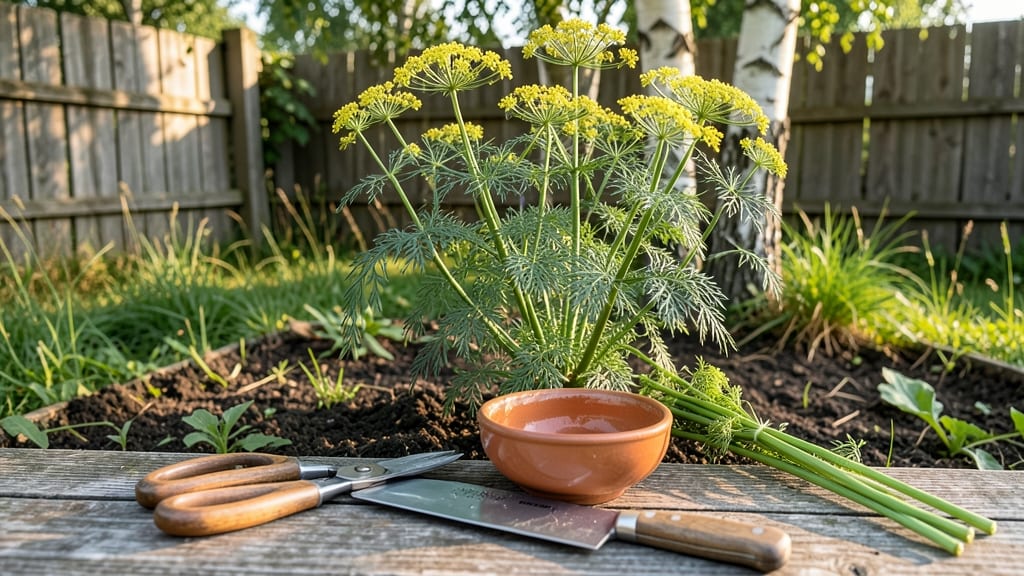
To harvest fresh dill at its peak flavor and encourage regrowth, focus on timing and technique—cutting stems just above leaf nodes when the plant is mature but before flowering.
Fresh dill isn’t just a garnish—it’s a versatile herb that thrives when harvested correctly, ensuring a steady supply all season long. Mastering the cut-and-come-again method transforms your garden into a never-ending dill factory, but timing and technique make all the difference.
Most gardeners wait until the plant reaches 12–18 inches tall and has 5–7 fully developed leaves before harvesting. This ensures the plant has enough energy to regrow while still delivering the bright, tangy flavor you love in soups, salads, and fish dishes.
In this guide, you’ll learn the exact when and how to harvest for maximum yield, the tools you’ll need, and how to store your harvest to keep it fresh for months. Let’s turn your dill into a year-round staple.
When and how to harvest fresh dill for maximum growth
Harvesting fresh dill at the right time ensures a flavorful, abundant supply while encouraging your plants to regrow. The key is to time your cuts between 45 and 75 days after planting, when leaves are fully developed but before the plant bolts to seed.
This window typically falls between June and September in most USDA zones, but exact timing depends on your climate and planting date.
Dill thrives on the cut-and-come-again method, which involves harvesting outer leaves or stems rather than taking everything at once. This approach prevents stressing the plant and promotes bushier, more productive growth.
If you wait too long, your dill will flower and go to seed, leaving you with bitter leaves and fewer harvests. Let’s dive into the specifics of when and how to harvest for maximum yield.
| Stage | Harvest Time | Plant Characteristics | Harvest Technique |
|---|---|---|---|
| Early Growth (45-60 days) | June - Early July | Leaves fully developed, stems firm, aromatic scent | Snip outer leaves or cut stems just above leaf nodes |
| Peak Growth (60-75 days) | Mid-July - August | Stems 3-4 ft tall, lush foliage, no flower buds | Cut 1/3 of stems at base, leaving lower leaves |
| Late Season (75+ days) | Late August - September | Seed heads forming, leaves may taste bitter | Harvest seed heads for drying or pull entire plant |
| Over-Harvesting Signs | Any time | Leggy stems, sparse leaves, yellowing foliage | Reduce frequency, fertilize lightly, increase sunlight |
For the best flavor and regrowth, focus on harvesting during the early to peak growth stages (45-75 days). At this point, your dill should have fully developed leaves but no visible flower buds.
If you notice yellowing leaves or stunted growth, you’re likely over-harvesting or the plant is stressed from heat or drought. Always leave at least one-third of the plant intact to ensure it can regenerate.
When harvesting, use a sharp pair of scissors or pruning shears to avoid crushing stems. Cut just above a leaf node (the point where leaves attach to the stem) to encourage new growth from that spot.
This technique stimulates the plant to branch out and produce more leaves, giving you a continuous harvest. Avoid pulling leaves by hand, as this can damage the delicate stems and reduce future yields.
If you’re growing dill for both leaves and seeds, allow some stems to flower and go to seed in late summer. The seeds are great for pickling or sowing next season, but they’ll reduce your leaf harvest.
To balance both, designate a few stems per plant for seed production while harvesting leaves from others. This way, you get the best of both worlds without sacrificing flavor or yield.
Timing your harvests also depends on your climate and season. In cooler regions, dill may grow more slowly, so you might need to extend your harvesting window into early fall. Conversely, in hot climates, dill can bolt quickly—watch for flower buds and harvest before they fully open.
If your plant starts flowering too soon, consider shading it slightly or harvesting more aggressively to delay bolting.
One common mistake is harvesting dill too late in the season, when the leaves become bitter and tough. If this happens, focus on harvesting the seed heads instead, which can be dried and saved for future use.
You can also freeze or pickle the seeds for later. To prevent bitterness, always harvest in the morning after dew has dried, when the essential oils are at their peak.
To maximize your harvest, space out your cuts over 2-3 weeks rather than taking everything at once. This approach keeps your dill plants productive and healthy for weeks longer. After each harvest, give your plants a light fertilizer to replenish nutrients and encourage regrowth.
With the right timing and technique, you can enjoy fresh dill straight from your garden all season long.
Finally, pay attention to your dill’s overall health. If leaves turn yellow, wilt, or drop off, it’s a sign of over-harvesting, disease, or pest damage. Adjust your harvesting frequency and check for pests like aphids or spider mites.
A healthy dill plant will reward you with vibrant green leaves and a steady supply of fresh herbs all season.
The cut-and-come-again method: step-by-step for continuous dill harvests
The cut-and-come-again method is your secret weapon for a dill harvest that never quits. By pruning stems at the right leaf nodes, you trigger bushier regrowth while keeping your plants productive.
This technique works best when you start harvesting once your dill reaches 12–18 inches tall and has at least 5–7 fully developed leaves.
To succeed, you’ll need just a few simple tools: a pair of sharp pruning shears, a small knife for precision cuts, and a bowl to collect your harvest. Avoid dull tools—they crush stems and stress the plant.
The key is cutting just above a leaf node (where leaves meet the stem) to encourage new growth from that point.
How to Harvest Fresh Dill Using the Cut-and-Come-Again Method
- 1 Wait for maturity: Harvest when dill reaches 12–18 inches with 5–7 leaves per stem. Avoid cutting before this stage.
- 2 Choose the right stems: Select outer stems first to avoid overcrowding. Leave the center stems for later harvests.
- 3 Cut above a node: Use sharp shears to snip stems ½ inch above a leaf node. This encourages new shoots to grow from that point.
- 4 Harvest frequency: Repeat every 2–3 weeks during the growing season. Avoid harvesting more than ⅓ of the plant at once.
- 5 Avoid leggy growth: If stems stretch too tall, it’s a sign of insufficient light. Move plants to full sun (6+ hours/day) or thin crowded stems.
- 6 Revive wilted plants: If growth slows, trim all stems back to 4 inches tall and fertilize lightly with 5-10-10 to encourage regrowth.
Harvesting too aggressively can stress your dill plants, leading to leggy growth or even flower production—both of which reduce flavor and yield. If you notice stems stretching toward the light or flowering, it’s time to thin the plant or move it to a sunnier spot.
Remember, dill flowers are edible, but the flavor shifts from fresh to more bitter.
For the best results, harvest in the morning after dew has dried. This ensures your dill is at its peak flavor and moisture level.
Store harvested stems in a glass of water in the fridge for up to 10 days, changing the water every 2 days to keep them fresh.
With the cut-and-come-again method, you’ll enjoy a continuous harvest from early summer until the first frost. Just remember: patience and precision are key—rush the process, and you’ll sacrifice both yield and flavor. Happy harvesting! 🌿