
How To
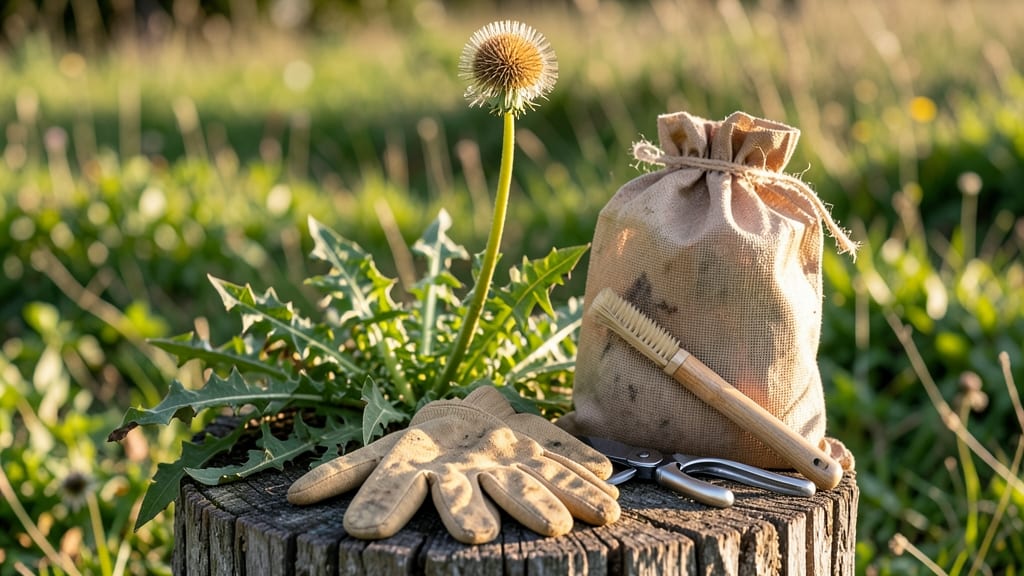
Harvesting dandelion seeds at the right moment means catching those fluffy white puffs before they scatter on the breeze 🌼 — and yes, it’s easier than you think.
You might assume dandelions are just weeds, but those seed heads are gold for gardeners. They’re packed with nutrients, attract pollinators, and can even be saved for next year’s garden or turned into creative crafts. The key? Timing everything perfectly.
Most people miss the window because they don’t recognize when the seed heads are fully mature—usually late spring or early summer. Too early, and the seeds aren’t ready; too late, and they’re already floating away.
Below, I’ll walk you through the exact signs to look for and the best tools to use.
Once you master the harvest, you’ll discover how versatile these seeds can be—from planting more dandelions to making natural dyes or even adding them to homemade remedies. Let’s get started with the step-by-step guide to make the most of your garden’s free resource.
When and how to identify dandelion seed heads for harvesting
Harvesting dandelion seeds at the perfect moment ensures you capture the most viable seeds before they scatter on the wind. The key is recognizing the ideal maturity stage—when the seed heads turn from vibrant yellow to dry brown puffs.
This transformation usually occurs in late spring or early summer, depending on your climate and planting time.
Start by scanning your garden for dandelions with fully closed flower buds that have turned brown. These are your prime candidates. The seed heads should feel lightweight and papery when touched, signaling they’re ready for collection.
Avoid harvesting when the fluffy seed puffs are still tightly closed or when the plant is actively growing new leaves.
| Stage | Visual Cues | Harvest Window |
|---|---|---|
| Early Bloom | Bright yellow petals, no seed fluff | Not ready |
| Late Bloom | Petals wilted, seed head turns brown | Ideal for harvest |
| Overripe | Fluffy seeds disperse easily at touch | Too late; seeds lost |
Weather plays a crucial role in timing your harvest. Collect seeds on a dry, calm day to prevent moisture from damaging the seeds or wind from scattering them prematurely. Early morning harvests work best because the dew has evaporated, and the seed heads are dry.
Avoid harvesting after rain, as damp seeds won’t dry properly and may develop mold.
Look for abundant white seed fluff that forms around the base of the seed head. This fluff is nature’s way of helping seeds disperse, but it’s also your signal that the seeds are mature.
If you gently shake the seed head and see seeds floating away, it’s time to act quickly—these seeds won’t wait for you!
Another telltale sign is the yellowing and dying back of leaves. As the plant redirects its energy to seed production, the leaves often turn yellow and wither. This is a natural process and a clear indicator that the plant is ready to release its seeds.
Pay close attention to the older dandelions in your garden, as they’ll mature first.
If you’re harvesting in bulk, focus on plants that are uniformly brown and dry. Use a pair of clean scissors or pruners to snip the seed heads just above the base. This minimizes damage to the plant and ensures you capture the entire seed head.
For smaller harvests, you can gently twist the seed head off by hand, but be careful not to pull too hard and uproot the plant.
Timing is everything when it comes to dandelion seed harvesting. Aim to collect seeds within 1-2 days of maturity to maximize yield. If you miss the window, the seeds will scatter, and you’ll have to wait another year.
Keep an eye on your garden and harvest frequently to stay ahead of the seed dispersal game.
Once you’ve identified the perfect seed heads, the next step is to prepare for collection. Place a large paper bag or breathable fabric sack under each plant to catch the seeds as they fall.
This method is especially useful for larger patches of dandelions. Alternatively, you can use a clean bucket with a lid to collect seeds directly from the plant.
Remember, dandelions are incredibly resilient, and their seeds can remain viable for years if stored properly. By mastering the art of identifying the perfect seed heads, you’ll ensure a bountiful harvest that you can use for gardening, crafts, or even natural remedies. Happy harvesting!
Step-by-step methods for harvesting dandelion seeds efficiently
Harvesting dandelion seeds efficiently starts with the right tools and techniques to maximize your yield. The best time is when the seed heads turn fully brown and the white fluff is visible but hasn’t yet scattered—usually late May to early June in most climates.
If you miss this window, the seeds will drift away, leaving you with nothing but empty stems.
You don’t need fancy equipment, but a few simple tools will make the process smoother. Grab a pair of clean pruners or sharp scissors, a breathable mesh bag (like an onion bag), and a damp cloth to keep the seeds from floating away while you work.
For larger harvests, consider a bucket with a lid to collect seeds in bulk.
How to Harvest Dandelion Seeds
-
Step 1: Choose the Right Seed Heads
Select fully brown dandelion heads with white fluff but no signs of seed dispersal. Avoid heads that are still yellow or have already released seeds. -
Step 2: Cut or Snip the Seed Heads
Use clean pruners or scissors to cut the stem about 2 inches below the seed head. This prevents the seeds from scattering while you work. -
Step 3: Place Heads in a Mesh Bag
Immediately transfer the cut heads into a breathable mesh bag to allow air circulation while preventing seeds from escaping. Tie the bag securely. -
Step 4: Hang to Dry Indoors
Suspend the bag in a dry, shaded area (like a garage or shed) for 1-2 weeks. This allows the seeds to fully mature and dry without losing viability. -
Step 5: Shake Out the Seeds
Once dry, gently shake the bag to release the seeds into a clean container. Store in a cool, dark place in an airtight jar for up to 2 years. -
Step 6: Store for Future Use
Label your jar with the harvest date and plant variety (if applicable). Keep seeds in a dry environment to maintain germination rates.
For bulk harvesting, consider using a large bucket with a lid to collect seeds directly from multiple plants at once. This method works well if you’re harvesting from a large patch or even wild dandelions in a field.
Just be sure to cover the bucket immediately after filling it to trap the seeds inside.
If you’re harvesting for crafts or dyes, you can skip the drying process and use the fluffy seed heads fresh. However, for garden planting, always dry and store the seeds properly to ensure high germination rates when you’re ready to sow them next spring.
Pro tip: Harvest on a calm, dry day to avoid wind scattering seeds prematurely. Early morning is ideal because the dew is light, and the plants are less likely to be disturbed by animals or strong breezes.