
How To
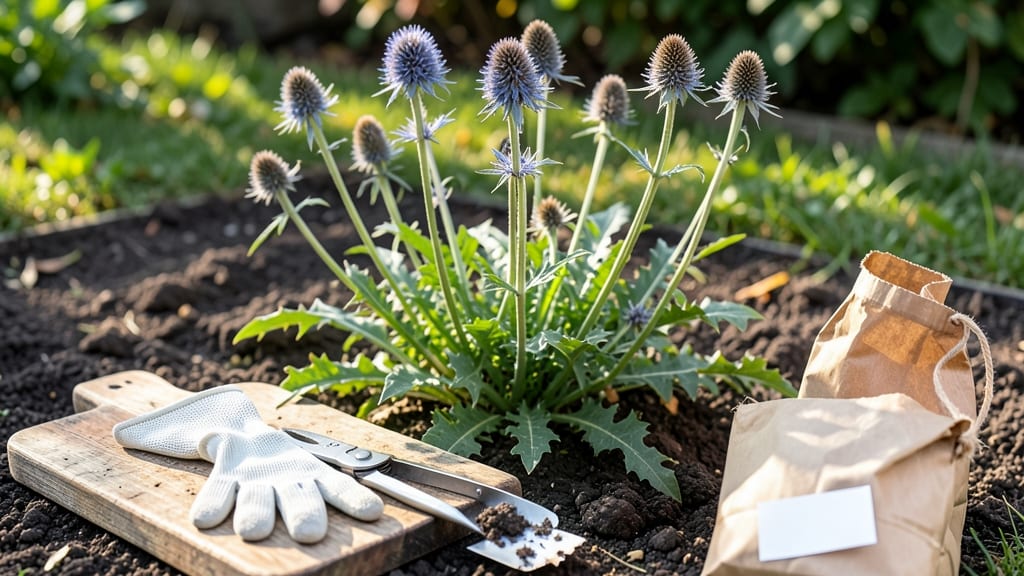
To harvest chicory seeds, wait until the flower heads turn completely brown and the stems snap dry—this is the only time you’ll get a full yield before they scatter.
Chicory seeds are a gardener’s hidden treasure—packed with nutrients and easy to grow—but harvesting them at the right moment can make or break your yield.
If you’ve ever watched your chicory plants fade from vibrant green to brittle brown without knowing when to act, this guide will show you exactly when and how to harvest those precious seeds before they scatter into the wind.
Timing is everything: harvest too early, and the seeds won’t be viable; wait too long, and a gust of wind could send your hard work flying.
Below, I’ll walk you through the perfect ripeness signs, the tools you’ll need, and how to dry and store your seeds for next year’s garden.
You’ll also discover how to avoid common pitfalls like premature seed drop and mold, plus tips for using leftover seeds in creative ways—whether for sprouting, tea, or even wildlife feed. Let’s get started!
When to harvest chicory seeds: identifying the perfect ripeness stage
Harvesting chicory seeds at the right time ensures you collect the maximum number of viable seeds before they scatter into the wind or lose viability. The key is watching for specific visual cues that signal maturity, starting with the flower heads transitioning from vibrant blue to dry brown.
This process typically occurs 90-120 days after flowering, but environmental factors like temperature and moisture can shift this timeline by a few weeks.
First, focus on the seed heads—they should turn from their signature blue to a uniform dry brown color. At this stage, the individual seed pods will feel hard and papery to the touch, almost like tiny cardboard tubes.
If you gently shake a mature seed head and hear a faint rattling sound, this is your signal that the seeds inside are ready for harvest.
Don’t rely solely on color, though. The stem dryness test is equally important: pinch a stem near the base of the seed head. If it snaps cleanly with a dry, crisp sound (rather than bending or tearing), your chicory is ready.
This "snap test" is foolproof for determining maturity, especially in humid conditions where visual cues might be less obvious.
Timing is critical because chicory seeds are self-dispersing—they release easily when mature. Waiting too long means seeds will spill onto the ground, while harvesting too early results in underdeveloped seeds that won’t germinate.
Aim to harvest when 70-80% of the seed heads show these maturity signs, as a few stragglers will still ripen over the next few days.
Avoid the common mistake of harvesting based on flower head size alone. Some chicory varieties produce large seed heads that may look mature but still contain underdeveloped seeds. Always combine visual cues with the snap test and rattling sound for accuracy.
If you’re unsure, wait another day—overripe seeds won’t harm your plants, but immature seeds won’t store well.
Morning is the best time to harvest chicory seeds because the dew has dried and the seed heads are less likely to be damp. Cut the stems with clean pruning shears or sharp scissors, leaving about 2-3 inches of stem attached to each seed head.
This extra stem helps with drying and prevents seed loss during handling. Place the cuttings in a paper bag immediately to catch any seeds that may fall during transport.
Watch for pests like aphids or disease signs (e.g., mold or spots) on the seed heads, which can reduce seed viability. If you notice these issues, harvest the healthy seed heads first and isolate affected plants to prevent spread.
Even a few contaminated seeds can ruin an entire batch during storage, so prioritize quality over quantity.
Once you’ve harvested, the next critical step is drying the seed heads in a well-ventilated area away from direct sunlight. This prevents moisture loss while allowing the remaining seeds to finish maturing.
Spread the seed heads on a clean towel or mesh screen in a single layer, and stir them gently every few days to ensure even drying.
Remember, chicory seeds have a viability window of 1-2 years when stored properly. Harvesting at the perfect ripeness stage maximizes your yield and ensures you’ll have healthy seeds ready for next year’s garden.
With practice, you’ll develop an eye for spotting mature seed heads and avoid the frustration of wasted effort.
Step-by-step chicory seed harvesting process for maximum yield
Once your chicory plants have transitioned from vibrant blue flowers to dry, brown seed heads, it’s time to act quickly. Premature harvesting means immature seeds, while waiting too long risks losing them to wind or pests.
The key is timing—when the flower stalks snap dry with a crisp sound and the seed heads turn a deep, papery brown. This guide walks you through the exact steps to harvest, dry, and store your chicory seeds for maximum yield and viability.
Gather your tools first: a sharp pair of pruning shears, brown paper bags (or breathable mesh bags), and a clean, dry workspace. Avoid plastic bags—they trap moisture and encourage mold. Work on a dry, sunny day when humidity is low to prevent seed damage.
If you’re harvesting in the morning, the dew will have dried, making the stems easier to handle. Remember, chicory seeds are delicate, so gentle handling is essential to preserve their quality.
- 1. Cut the seed heads when fully brown and dry, using clean pruning shears to avoid crushing the stalks. Leave a short stem (about 2 inches) to make handling easier.
- 2. Hang bundles upside-down in a dry, well-ventilated area (like a garage or shed) for 1-2 weeks. Use twine or rubber bands to secure them to a hook or rod.
- 3. Shake or rub seed heads gently over a clean surface (like a tray or paper) to release seeds. Avoid vigorous shaking to prevent seed damage.
- 4. Winnow the seeds by placing them in a shallow pan and using a fan or gentle breeze to blow away chaff and debris.
- 5. Store seeds in paper bags labeled with the harvest date. Keep them in a cool, dark place (like a seed vault or refrigerator) to maintain viability.
After cutting the seed heads, the next critical step is drying them properly. Hang the stalks in small bundles from a hook or rod in a dry, shaded area with good airflow. This prevents mold and ensures even drying.
If your climate is humid, consider using a dehumidifier or a fan to speed up the process. Avoid direct sunlight, as it can overheat the seeds and reduce their viability. Once the seed heads are completely dry and brittle, they’re ready for the next step.
When the seed heads are fully dried, it’s time to separate the seeds from the chaff. Place the dried seed heads in a clean, dry container and gently rub or shake them to release the seeds.
For larger batches, use a seed winnowing tray or even a colander over a tray. A gentle breeze from a fan can help blow away the lighter chaff, leaving you with clean, viable seeds.
This step is crucial for seed purity and ensures you’re storing only the best-quality seeds for next year’s garden.
Once you’ve collected your seeds, store them in paper bags or breathable cloth sacks to prevent moisture buildup. Label each bag with the harvest date and variety (if applicable).
Store the bags in a cool, dark place, such as a seed vault, refrigerator, or even a sealed container in your pantry. Chicory seeds can remain viable for 2-3 years if stored properly, but check them annually for signs of mold or pests.
For extra protection, add a silica gel packet to the storage container to absorb any excess moisture.
If you notice any signs of mold, pests, or dampness during storage, act quickly to salvage your seeds. Spread them out on a dry surface to air out, then transfer them to a new, clean bag.
For severe cases, treat the seeds with a food-grade diatomaceous earth to eliminate pests naturally. With proper care, your chicory seeds will stay fresh and ready for planting next season, ensuring a bountiful harvest year after year.