
How To
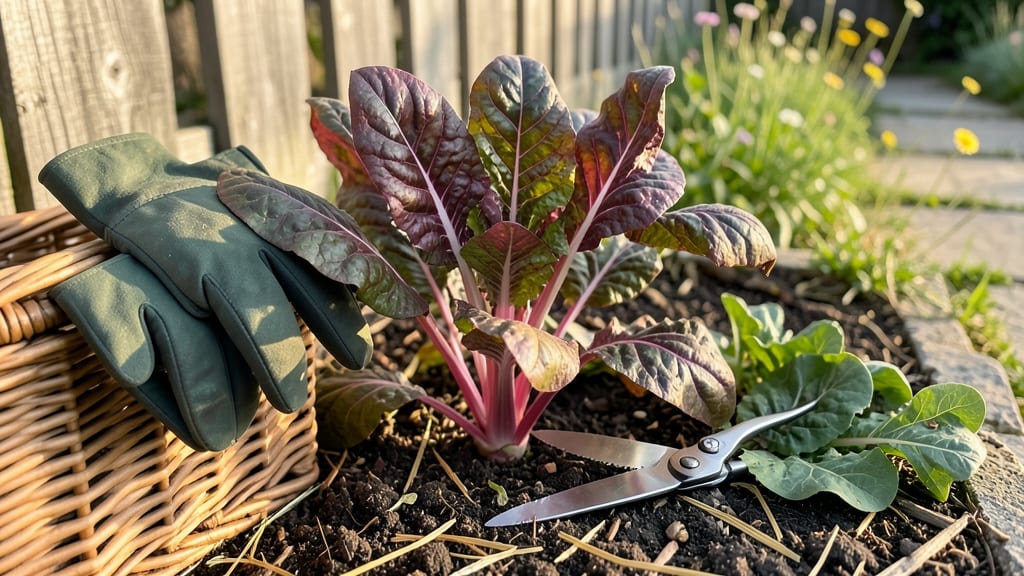
To harvest Swiss Chard so it keeps growing, focus on cutting outer leaves 1-2 inches above the base—this preserves the plant’s energy and encourages new growth while avoiding the temptation to strip it bare.
Struggling to keep your Swiss Chard thriving after harvest? Learn the secret cut-and-come-again technique that turns one harvest into a continuous bounty—without sacrificing plant health or flavor.
Most gardeners make the mistake of harvesting too much at once, which weakens the plant and slows regrowth. Instead, pick leaves selectively and leave the inner, younger leaves to mature—this ensures your 🍃 Swiss Chard stays productive for months.
Below, I’ll walk you through the exact timing, tools, and post-harvest care tricks to maximize yield, avoid bolting, and keep your chard producing well into fall.
The cut-and-come-again method for Swiss chard: when and how to harvest for continuous growth
Swiss chard is one of those magical vegetables that rewards you with continuous harvests if you use the right techniques. The cut-and-come-again method is your secret weapon for keeping your chard plants productive all season long.
Unlike other greens, chard doesn't just regrow—it thrives after harvest when done correctly, giving you fresh leaves for weeks or even months.
Many gardeners make the mistake of harvesting entire plants or cutting too close to the base, which stunts regrowth. Instead, we'll focus on selective harvesting that stimulates new growth while keeping your chard healthy and flavorful.
This method works best when you start harvesting about 50-60 days after planting, when leaves reach 6-8 inches long and develop vibrant colors.
The key to this technique lies in understanding which leaves to harvest and how to make clean cuts. Outer leaves are always the first to mature, while inner leaves remain tender.
By targeting the older, larger leaves first, you allow the plant to redirect energy to the younger, more tender growth at the center. This creates a continuous cycle of harvestable leaves without compromising the plant's health.
- 1 Identify mature leaves - Look for leaves that are 6-8 inches long with vibrant color (deep green, red, or yellow). These are ready for harvest while inner leaves remain tender.
- 2 Choose the right tool - Use clean, sharp pruners or a serrated knife to make precise cuts. Dull tools crush stems and invite disease.
- 3 Make clean cuts - Harvest 1-2 outer leaves at a time, cutting them 1-2 inches above the base. This leaves enough leaf surface to continue photosynthesis.
- 4 Avoid the center - Never harvest leaves growing from the center of the plant. These are the youngest and most tender, and removing them stops regrowth.
- 5 Harvest regularly - Pick leaves every 2-3 weeks during peak growing season. This prevents bolting and encourages continuous production.
- 6 Watch for bolting signs - If your chard starts sending up flower stalks, it's time to harvest more aggressively or consider replanting for next season.
Timing your harvests is crucial for maintaining the cut-and-come-again cycle. Early in the season, focus on harvesting every 2-3 weeks to establish the plant's growth pattern. As temperatures rise, you may need to harvest more frequently (every 1-2 weeks) to prevent bolting.
Always prioritize harvesting in the morning after dew has dried—this ensures leaves are crisp and full of flavor.
One common mistake gardeners make is removing too much foliage at once. Your goal is to never take more than 1/3 of the plant's leaves in a single harvest. This rule prevents stress and allows the plant to recover quickly.
If you notice new growth slowing down, it might be time to reduce harvest frequency or provide additional nutrients through compost or balanced fertilizer.
After harvesting, always rinse leaves gently with cool water to remove dirt and pests, then store them in the refrigerator wrapped in a damp paper towel to maintain crispness. For the plant itself, remove any damaged or yellowed leaves immediately—they can harbor diseases that might affect new growth.
A little post-harvest care goes a long way in keeping your chard productive.
With this method, you'll enjoy a continuous supply of fresh chard from early summer until fall frosts. The best part? Each harvest actually improves future production by encouraging bushier, more productive plants. Just remember: patience and precision are key to making this technique work for you every time.
🌿
Swiss chard regrowth tips: how to maximize yield after harvesting
After harvesting your Swiss chard, the real work begins—proper post-harvest care determines whether your plant will bounce back or bolt prematurely. The key lies in balancing fertilization, watering, and seasonal adjustments to maintain vigor.
Organic fertilizers like compost or fish emulsion gently nourish roots, while synthetic options provide quick but temporary boosts.
I’ve found that chard responds best to a light feeding every 4-6 weeks during active growth, paired with deep watering to prevent stress. In late summer, reduce fertilization to avoid encouraging tender growth before frost—this simple shift prevents bolting and extends your harvest window.
Organic vs. Synthetic Fertilizers for Swiss Chard Regrowth
Organic Fertilizers
- Pros: Slow-release nutrients, improves soil health, reduces bolting risk
- Best For: Long-term growth, compost tea, worm castings
- Application: Mix into soil or foliar spray
- Example: Fish emulsion (2-3-2 NPK) or compost
Synthetic Fertilizers
- Pros: Fast nutrient delivery, precise NPK ratios, quick regrowth
- Best For: Immediate post-harvest recovery, balanced 5-10-10
- Application: Granular or liquid, watered in
- Example: 10-10-10 or 5-10-5 formula
Note: Organic options build soil fertility over time, while synthetics provide instant but temporary results. For best regrowth, alternate between the two during the season.
Watering is just as critical as fertilization—deep soaking in the morning prevents fungal issues while keeping roots hydrated. During hot summers, I increase frequency to every 2-3 days but avoid overhead watering at night to deter pests.
In cooler months, reduce to every 5-7 days unless soil is bone-dry.
Seasonal adjustments are non-negotiable. In early spring, prioritize nitrogen-rich feeds to fuel leafy growth. By late summer, switch to potassium-heavy fertilizers (like greensand) to harden stems before frost. This two-step approach prevents leggy, weak regrowth that’s prone to bolting.
Don’t overlook mulching—a 2-inch layer of straw or shredded leaves retains moisture and regulates soil temperature. I’ve seen chard yields double when mulched consistently, as it reduces evaporation and weeds that compete for nutrients. Pair this with regular pruning of yellowed leaves to redirect energy to new growth.
With these strategies, my Swiss chard plants have regrown 3-4 times in a single season, producing larger, more flavorful leaves each harvest. The secret? Treating post-harvest care like a continuous cycle of feeding, watering, and seasonal tweaks—never a one-time fix.