
How To
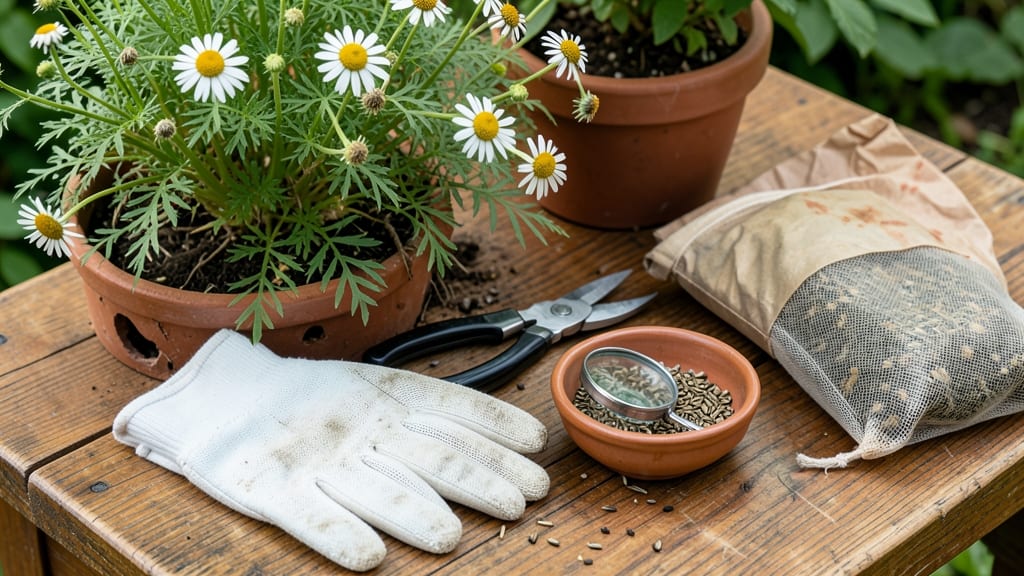
Harvesting chamomile seeds 🌼 at the right time turns your garden into a self-sustaining tea supply—and it’s easier than you think.
Picture this: You’ve nurtured your chamomile plants all season, and now those delicate white-and-yellow blooms are turning brown and crispy. That’s your cue to act, because waiting too long means the seeds scatter, and harvesting too soon leaves you with nothing but fluff.
Timing is everything, but the real secret lies in knowing exactly when those seed heads are dry enough to shake free of debris. Get it wrong, and you’ll end up with a pile of empty petals instead of viable seeds for next year’s garden.
In this guide, I’ll walk you through the best methods for harvesting, drying, and storing chamomile seeds—so you can maximize your yield and enjoy fresh tea (or new plants) for years to come.
When to harvest chamomile seeds: identifying the perfect drying stage
Harvesting chamomile seeds at the right moment transforms your garden from a seasonal delight into a self-sustaining seed source. The key lies in watching for visual maturity cues—when those once-vibrant white-and-yellow blooms turn completely brown and papery.
This stage typically occurs 60-90 days after planting, depending on your climate and growing conditions.
Timing is everything because harvesting too early means immature seeds that won’t germinate, while waiting too long risks seed dispersal by wind or wildlife. I’ve learned the hard way that patience pays off—those brown, brittle seed heads are your golden ticket to next year’s chamomile patch.
Weather conditions also play a crucial role. Harvest on a dry, sunny morning when humidity is low. This ensures the seed heads are fully dehydrated and less prone to mold during storage. If rain is forecasted, beat it to the punch—wet seeds won’t dry properly and may develop fungal issues.
| Stage | Visual Cues | Touch Test | Action |
|---|---|---|---|
| Early Bloom | White petals, green centers | Soft, moist | Wait 4-6 weeks |
| Late Bloom | Yellow centers, white petals | Slightly firm | Monitor daily |
| Perfect Harvest | Fully brown, papery | Crispy, rattles | Harvest immediately |
| Overripe | Brown, brittle, empty | Powdery, no seeds | Discard |
Start by examining the flower heads closely. Look for uniform brown coloration across the entire head—no lingering white or yellow. The petals should have fallen away naturally, leaving only the dry, papery seed casing.
Gently shake a seed head over your hand; if you hear a loud rattling sound, it’s a clear sign the seeds are ready.
A simple touch test confirms readiness. Pinch a seed head between your fingers—it should feel crispy and brittle, almost like dried paper. If it resists or feels slightly moist, wait another day or two. This tactile check is my foolproof method for avoiding underripe seeds that won’t sprout.
Pay attention to the stem base too. When it turns yellow and begins to dry out, it’s another signal that the plant is redirecting energy to seed production.
I’ve noticed that chamomile plants in full sun locations reach this stage faster than those in partial shade, so adjust your expectations based on your garden’s light conditions.
For container-grown chamomile, harvest timing might be slightly accelerated due to limited root space. These plants often mature 10-14 days earlier than their in-ground counterparts. Check them every 2-3 days during the final week of their growing season to catch that perfect window.
One pro tip I’ve picked up from experienced growers: harvest in batches. Not all flowers on a plant mature simultaneously. Start with the earliest blooms and work your way through the plant. This staggered approach gives you a continuous seed harvest over several weeks rather than one big rush.
After harvesting, immediate drying is critical. Spread your seed heads on a clean, dry surface in a well-ventilated area away from direct sunlight. I use old window screens or cardboard boxes with holes punched in them.
This prevents mold while allowing airflow—essential for preserving seed viability for up to two years.
Remember, the goal is to collect plump, dark-colored seeds that will germinate reliably. With practice, you’ll develop an eye for spotting that perfect drying stage where chamomile’s natural beauty meets practical seed-saving success.
The first time I saw those tiny seeds nestled in their papery casings, I knew I’d cracked the code to growing chamomile forever. 🌾
Best methods for harvesting and drying chamomile seeds indoors
Once your chamomile flowers turn brown and crispy, it’s time to harvest those precious seeds. The first step is deciding between hand-picking individual seed heads or cutting entire stems—each method has its own advantages depending on your garden size and seed needs.
If you’re working with just a few plants, hand-picking is gentle and precise. Simply pinch off the dried flower heads with your fingers, being careful not to crush the delicate seed pods. For larger patches, cutting stems with clean pruning shears is faster and reduces plant stress.
Harvesting Chamomile Seeds: Pros & Cons
Hand-Picking
- Pros: Gentle on plants 🌱
- Pros: Precise selection of dry heads
- Cons: Slower for large harvests
- Cons: Risk of missing hidden seeds
Cutting Stems
- Pros: Faster for bulk harvests
- Pros: Easier to bundle for drying
- Cons: May include some green stems
- Cons: Requires more trimming later
After harvesting, drying is critical to preserve seed viability. The simplest method is hanging small bundles upside down in a well-ventilated area away from direct sunlight. This mimics natural drying conditions and prevents mold growth.
For faster results, place harvested stems in paper bags and store them in a cool, dry spot. The bags allow airflow while catching any loose seeds that might fall during drying. A dehydrator set to 95°F (35°C) works too—just spread seed heads on trays and dry for 2-3 hours.
Once completely dry, gently rub the flower heads between your palms to release the seeds. Store them in an airtight container with a silica gel packet to absorb moisture, keeping them viable for up to 2 years in a cool, dark place.
Pro tip: Label your containers with the harvest year—this helps track seed freshness and ensures you always have the best germination rates for next season’s chamomile patch! 🌼