
How To
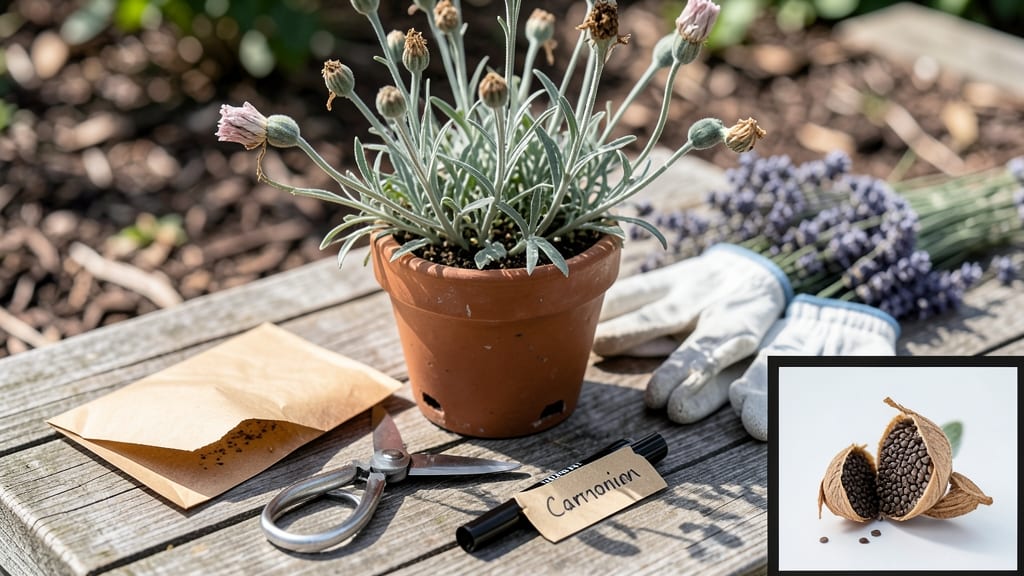
To harvest carnation seeds at the perfect time, watch for those seed pods to turn brown and dry out completely 🌸 — that’s when they’re ready to collect.
Carnations aren’t just beautiful flowers—they’re also a fantastic source of seeds for next season’s garden, but timing is everything. Learn how to recognize when those seed pods are ready for harvest so you don’t miss your chance to propagate these fragrant blooms effortlessly.
If you’ve ever waited too long and watched the pods shatter, leaving seeds scattered on the ground, you know how quickly things can go wrong. The key is spotting the right moment—when the pods feel brittle and the seeds rattle inside—so you can collect them before they release prematurely.
In this guide, I’ll walk you through the entire process, from identifying mature seed pods to storing them properly for future planting. You’ll also discover how to avoid common pitfalls and ensure your seeds stay viable for a thriving garden next year.
When to harvest carnation seeds: identifying mature seed pods
Harvesting carnation seeds at the right time ensures you collect viable seeds for next season’s garden. The key is watching for visual cues that signal maturity—primarily the color change from green to brown and the texture shift from firm to brittle.
Missing this window means seeds may not germinate, while harvesting too early risks poor viability.
Carnation seed pods typically mature in October to November, depending on your USDA Zone 6a climate. These pods form after the flowering stage and require patience, as rushing the harvest can lead to immature seeds that won’t sprout.
Pay close attention to the pod’s appearance and sound—these are your best indicators.
Comparison Table: Ready vs. Not Ready Carnation Seed Pods
| Indicator | Not Ready (Green Pods) | Ready (Brown Pods) |
|---|---|---|
| Pod Color | 🟢 Bright green or slightly yellowing | 🟤 Deep brown, almost papery |
| Pod Texture | Firm and moist to the touch | Brittle and dry, crumbles easily |
| Seed Sound | Silent or dull when shaken | Seeds rattle loudly inside |
| Pod Opening | Closed tightly, no splits | Splits open naturally or can be pried open |
| Plant Signs | Leaves remain green and healthy | Leaves turn brown and die back |
When carnation seed pods turn deep brown, they’re ready for harvest. This color change signals that the seeds inside have fully matured and lost most of their moisture.
A brittle texture is another telltale sign—gently press a pod between your fingers. If it crumbles or feels dry, it’s time to collect.
Listen for the telltale rattle inside the pods. Shake a mature pod over a paper bag or envelope—if seeds fall out easily or you hear a loud rattling sound, they’re ready. This method is foolproof for confirming seed readiness without damaging the pods.
One common mistake is harvesting pods that are partially brown but still have green patches. These seeds may not germinate well. Always wait until the entire pod is uniformly brown and dry. Patience here ensures you get high-quality seeds for your next planting.
If you’re unsure, perform the float test: Drop a few seeds in water. Viable seeds sink, while empty or immature ones float. This quick check saves you from planting non-viable seeds and wasting time. Combine this test with the visual cues for the best results.
Harvest on a dry, sunny day to minimize moisture and prevent mold. Use clean, sharp scissors or pruners to snip the pods from the stem, leaving a small portion attached. Place them in a paper bag to dry further before processing.
Once harvested, let the pods dry completely in a well-ventilated area for 1-2 weeks. This extra drying step ensures any remaining moisture evaporates, preventing mold during storage. Store the dried pods or seeds in a cool, dark place in an airtight container for up to 2 years.
Timing your harvest correctly means the difference between germination success and wasted effort. By watching for these visual and tactile cues, you’ll know exactly when to collect carnation seeds for a flourishing garden next season. 🌾
Step-by-step process for collecting and storing carnation seeds
Once you’ve identified your mature carnation seed pods, the next step is harvesting them with care to preserve seed viability. Use clean, dry gardening shears or your fingers to avoid damaging the delicate pods.
Work on a dry day when humidity is low to prevent mold growth during storage.
Gently twist or cut the brown, dry pods from the stems, placing them in a paper bag or envelope to catch any seeds that may fall out.
Avoid shaking the pods too hard—this can cause premature seed loss or damage. Label your collection with the variety name and harvest date for future reference.
How to Harvest Carnation Seeds
- 1 Wait for pods to dry completely—they should be brown and brittle, not green or moist.
- 2 Cut pods with clean shears or twist them gently from the stem to avoid stem damage.
- 3 Place pods in a paper bag and let them dry indoors for 3-5 more days to ensure full seed release.
- 4 Shake or rub pods over a clean surface to release seeds, then remove debris with a fine mesh strainer.
- 5 Store seeds in airtight containers with a silica gel packet to absorb moisture and maintain viability.
After harvesting, spread the pods on a clean, dry surface for an additional 3-5 days to ensure any remaining seeds release naturally. This extra drying step is crucial—moisture is the enemy of seed longevity.
Once fully dry, gently shake or rub the pods over a white tray or paper to separate seeds from chaff.
Use a fine mesh strainer or sifter to remove debris, leaving only the clean, viable seeds. Discard any discolored or shriveled seeds, as they won’t germinate. For long-term storage, place seeds in paper envelopes or airtight containers with a moisture absorber like silica gel.
Store your seeds in a cool, dark place (around 35-40°F) to maximize viability. Label each container with the variety name and harvest year—this helps track seed age, as carnation seeds typically remain viable for 2-3 years under ideal conditions.
Avoid refrigeration unless you’re storing for more than 3 years.
Common mistakes to avoid include harvesting green or moist pods, which can lead to mold, and storing seeds in plastic bags without moisture control. Always prioritize dryness and cleanliness to ensure your seeds stay ready for next season’s garden 🌾.