
How To
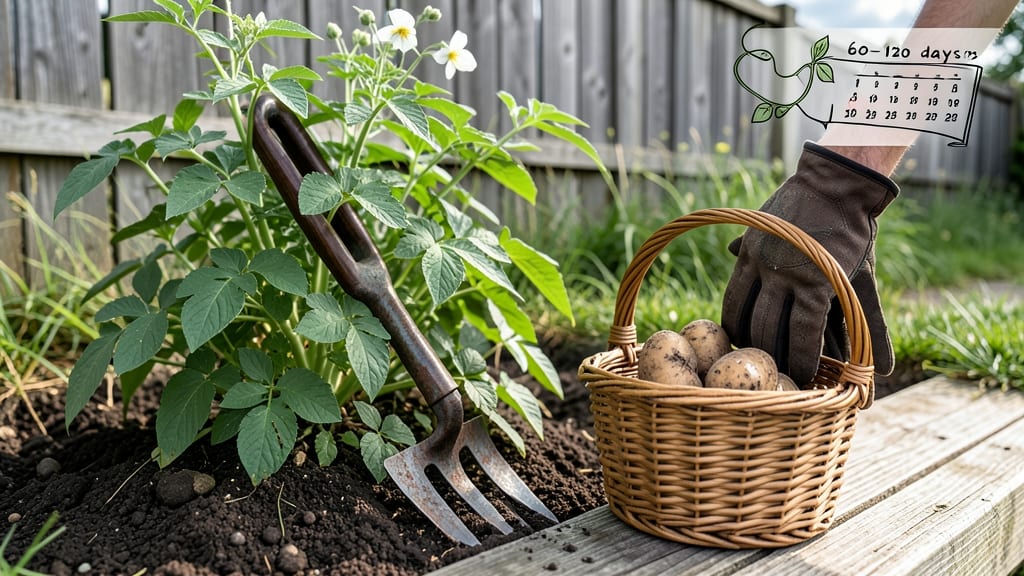
Harvesting potatoes takes anywhere from 60 to 120 days after planting, depending on the variety you choose—early types like 'Yukon Gold' can be ready in two months, while late-season 'Russets' need closer to four.
Picture this: you’ve spent weeks tending to your 🥔 patch, and now the question looms—will you get a harvest in time, or will the season slip away? The answer lies in knowing your variety’s timeline and the subtle signs that tell you when to dig.
Some gardeners rush the harvest, pulling potatoes too early and ending up with small, underdeveloped tubers. Others wait too long, risking rot or frost damage. The key is understanding how soil temperature, sunlight, and even rainfall can speed up or slow down growth.
In this guide, I’ll break down the exact stages of potato growth, from sprouting to harvest-ready tubers, so you can plan your planting schedule—and your dinner menu—with confidence.

Potato growing stages timeline by variety: early vs mid-season vs late harvest
If you've ever wondered why your neighbor's potatoes are ready for harvest while yours still look like twigs, the answer lies in variety selection and growth stage timing.
Potatoes aren't one-size-fits-all—they fall into three distinct categories based on their maturity timeline: early (60-90 days), mid-season (90-120 days), and late (120+ days). Understanding these stages helps you plan planting schedules, predict harvest windows, and avoid the heartbreak of waiting too long.
Let's break down what happens during each growth phase and how soil temperature influences these timelines. Early varieties, like Yukon Gold or Red Norland, are your quick wins—ideal for impatient gardeners or short growing seasons.
Mid-season types such as Kennebec balance speed with yield, while late varieties like Russet or Idaho reward patience with large, storage-friendly tubers.
Here's the critical comparison you need to plan your harvest schedule:
The first growth stage for all potatoes is sprouting, which begins when soil temperatures reach 45°F (7°C) or higher. Early varieties sprout fastest because they're bred to germinate in cooler soils, while late varieties need warmer conditions to avoid rot risks.
Pro tip: If your soil is still chilly, use black plastic mulch to warm it up 2-3 weeks faster.
Once sprouts emerge, the real magic happens underground. Around 30-40 days into growth, tiny tubers begin forming on the stolons (those horizontal stems). This is where soil moisture becomes critical—too dry, and tubers stay small; too wet, and they develop scab disease.
Aim for 1-1.5 inches of water per week, delivered consistently rather than all at once.
By the time your plants flower, they're already halfway to maturity for most varieties. Flowers signal that tuber bulking is in full swing, and this is when you can start checking for harvest readiness.
For early varieties, this happens around 60 days, while late varieties may need 120+ days. Watch for yellowing foliage and brown stems—these are your cues that tubers are nearing peak flavor and texture.
One common
5 Critical signs your potatoes are ready for harvest (before they rot in the ground)
Harvesting potatoes at the right moment ensures crisp, flavorful tubers that store well—wait too long, and you risk shriveling or rot. The key is watching for these 5 visual and physical cues that signal perfect harvest timing.
Unlike many crops, potatoes don’t announce readiness with obvious fruit ripening, so you’ll need to pay attention to both above-ground and below-ground changes.
First, understand that harvest windows vary by variety: early potatoes (like 'Yukon Gold') may be ready in 60-90 days, while late varieties (like 'Russian Banana') can take 120+ days.
But regardless of type, these signs apply universally. The biggest mistake gardeners make? Harvesting based on calendar days alone—your potatoes might be overripe by then, especially in hot climates.
📌 Numbered Highlights: 5 Exact Harvest Signs
- 🌿 Foliage Yellowing: Leaves turn straw-colored and crisp (not just wilting). This indicates the plant is redirecting energy to tubers.
- 🌸 Flower Development: If your variety flowers, blooms appear 2-3 weeks before harvest. Early varieties may skip this stage entirely.
- 🧍 Tuber Firmness: Gently press a thumbnail into the soil—if it meets resistance 2-3 inches down, tubers are likely ready.
- 🥔 Skin Thickness: Dig up a test tuber: ready potatoes have thick skin (no green) and a yellow stem end.
- ⏳ Variety Timeline: Check your seed packet for days to maturity—harvest 1-2 weeks before the final date for storage potatoes.
Let’s break down the most reliable method: the thumbnail test. After foliage yellows, probe the soil with your thumbnail near the plant base. If you feel resistance at 2-3 inches deep, that’s where your tubers are forming.
For new potatoes (smaller, tender varieties), harvest when tubers reach 1-2 inches in diameter—these don’t store well but are perfect for immediate cooking.
Beware of overripe potatoes, which develop thin, papery skin and sprouting eyes. These won’t store and often taste woody. If your soil stays too moist after harvest signals appear, tubers may rot before you dig them.
In such cases, harvest immediately even if foliage isn’t fully yellow—prioritize the tubers’ health over perfect leaf color.
Pro tip: For storage potatoes, cure them in a dark, humid spot (50-60°F) for 1-2 weeks after harvest. This toughens the skin and improves shelf life. Skip this step for immediate-use potatoes, which can go straight to the pot after a quick rinse.
Timing your harvest correctly means the difference between crisp, flavorful potatoes and mealy, shrunken tubers. Pay attention to these signs, and you’ll know exactly when to grab your fork and start digging—before your hard work goes to waste! 🌱