
How To
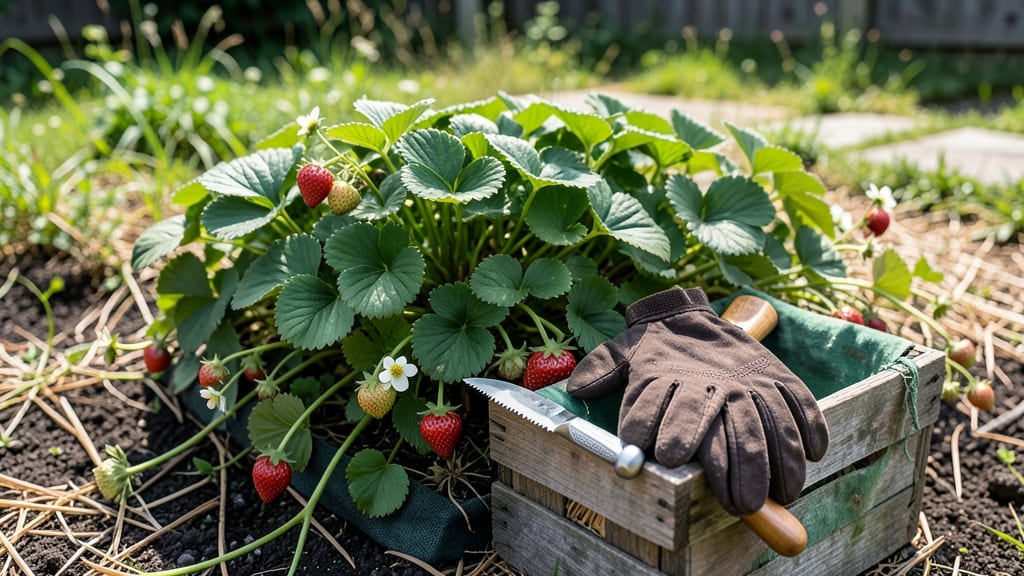
Harvesting strawberries can take anywhere from 30 days to over 90 days, depending on the variety and growing conditions — but the right choices can cut that time in half.
Picture this: you’ve just planted your 🍓 strawberries in March, dreaming of summer snacks, only to wonder why they’re taking so long to ripen. The truth? Some varieties deliver fruit in as little as 30 days, while others play the long game.
The difference often comes down to the type of strawberry you grow and how you care for them.
For fastest results, focus on early-maturing varieties like Alpine or Everbearing types, which thrive in cooler climates like USDA Zone 6a. With the right soil prep, sunlight, and a few pro tips, you could be picking your first berries by early June — or even sooner.
Let’s break down how to make that happen.
In this guide, you’ll discover the quickest strawberry varieties, seasonal planting tricks to shave weeks off your harvest time, and science-backed methods to speed up growth. No more waiting months for that first sweet bite!
Fastest strawberry varieties for quick harvest (30-50 days)
If you're craving fresh strawberries but don't have months to wait, you're in luck! Some strawberry varieties mature in as little as 30 days, perfect for impatient gardeners or short growing seasons.
These speedy varieties fall into three categories: Alpine, Everbearing, and Day-Neutral types, each offering unique advantages for quick harvests. Let’s dive into the fastest options that’ll have you feasting on homegrown berries in record time.
Alpine strawberries are the true speed demons of the strawberry world. These tiny powerhouses can produce fruit in just 30-40 days from planting, making them ideal for container gardens or early spring harvests.
Their small size and delicate flavor mean they’re not for large-scale production, but they’re perfect for salads, garnishes, or snacking straight from the vine. Everbearing varieties like 'Seascape' or 'Tristar' typically deliver their first harvest in 45-55 days, with multiple flushes throughout the season.
Day-Neutral varieties, such as 'Albion' or 'Fort Laramie', bridge the gap between June-bearing and Everbearing types. They produce fruit continuously from early summer through fall, with the first harvest arriving in about 50-60 days.
These varieties are fantastic for gardeners in warmer climates or those who want a prolonged harvest window. No matter which type you choose, selecting the right variety is the first step to enjoying strawberries in under two months.
For the fastest results, Alpine strawberries are my top recommendation. Varieties like 'Mignonette' or 'Alpine White' can produce edible berries in as few as 30 days, making them perfect for late-winter or early-spring plantings.
These tiny plants thrive in containers, hanging baskets, or even on windowsills, so they’re ideal for urban gardeners or those with limited space. Just be prepared for smaller berries—think of them as nature’s candy rather than a full-sized dessert.
If you're aiming for a more substantial harvest, Everbearing varieties like 'Seascape' are a fantastic middle-ground option. They deliver their first crop in about 45-55 days and continue producing fruit in waves throughout the growing season.
This makes them ideal for gardeners in USDA zones 5-9, where summers are warm but winters can be chilly. Plus, their resistance to disease means less fuss and more fruit for you.
Day-Neutral varieties like 'Albion' are my go-to for gardeners in warmer climates or those who want a steady supply of berries. These varieties produce fruit continuously from early summer through fall, with the first harvest arriving in about 50-60 days.
They’re also more tolerant of heat and humidity, making them a reliable choice for USDA zones 6-10. While they may not be as sweet as Alpine varieties, their consistency and size make them a favorite for fresh eating and baking.
When selecting your strawberry variety, consider your climate zone, available space, and harvest goals. Alpine varieties are best for quick, small-scale harvests, while Everbearing and Day-Neutral types offer more fruit over a longer period.
No matter which you choose, planting in well-draining soil with full sun exposure (at least 6-8 hours daily) will help ensure the fastest possible harvest. With the right variety and care, you could be enjoying your first homegrown strawberries in as little as a month!
Pro tip: To further speed up the process, consider using strawberry runners from an existing plant instead of seeds. Runners are essentially baby plants that root themselves, and they’ll start producing fruit much faster than seedlings.
Just snip them off the parent plant, pot them up, and watch them grow! With these quick-maturing varieties and a little extra care, you’ll be harvesting strawberries in no time.
Remember, the key to a fast strawberry harvest lies in timing, variety selection, and
Seasonal timeline: when to plant for faster strawberry harvests
Timing your strawberry planting is the secret to shaving weeks off your harvest time. In USDA Zone 6a, like my garden, planting in early March gives you berries by late June—but the right window depends on your zone and variety.
Let’s break down the best planting months to maximize speed and yield.
For fastest results, focus on spring planting in cooler zones (USDA 3-6). In warmer zones (USDA 7-10), fall planting can also deliver early harvests. The key is aligning your planting with soil temperatures above 40°F and consistent daytime highs of 60°F+. This ensures roots establish quickly before flowering.
- Zone 3-5: Plant 4-6 weeks before last frost (early April) for June harvests.
- Zone 6-8: March-April planting yields fruit by late May-early June.
- Zone 9-10: Fall planting (Sept-Oct) avoids summer heat; harvests by December-January.
- Alpine varieties: Ready in 30-40 days—plant 6-8 weeks before first frost for winter harvests.
- Everbearing: June & September harvests with spring & fall plantings.
- Soil temp check: Use a soil thermometer—roots need 50°F+ to grow fast.
- Sunlight: 6+ hours daily cuts harvest time by 15-20%.
Your climate zone dictates the best window. In USDA Zone 6a, I plant Alpine strawberries in late February for a May harvest. In Zone 9, gardeners often plant in September to avoid summer heat stress.
Always check your last frost date—planting too early risks frost damage, while late planting delays fruit.
Prepping your soil makes a huge difference. Amend with compost and a balanced fertilizer (10-10-10) 2 weeks before planting. I add mulch immediately after planting to retain moisture and warmth, which speeds up root growth.
For faster harvests, use black plastic mulch—it warms soil by 5-10°F, accelerating growth.
After planting, consistent watering is critical. Keep soil moist but not soggy—drought stress delays fruit production. In my garden, I water deeply every 3-5 days and avoid wetting leaves to prevent disease. For even faster results, use drip irrigation—it delivers water directly to roots, reducing stress.
With the right timing and care, you can enjoy strawberries in as little as 30 days! Start with Alpine varieties for speed, or choose Everbearing types for multiple harvests.
The key is planting early, prepping soil well, and keeping plants healthy and hydrated. Happy planting—your first berry will be sweeter for the wait! 🍓