
How To
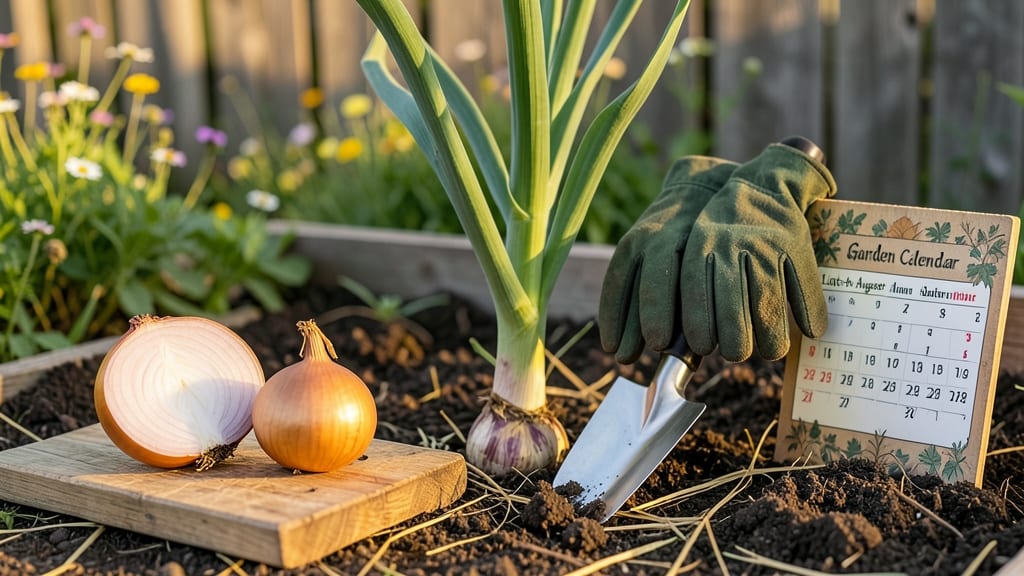
Knowing when to harvest onions is all about watching for three simple but critical cues: bulb size, leaf color, and neck firmness—each one a sign your 🧅 are ready to pull from the soil.
Harvesting onions at the wrong time can mean the difference between sweet, flavorful bulbs and tough, pungent scraps—so knowing when to dig is everything. Whether you're a first-time gardener or a seasoned green thumb, these subtle but critical clues will help you master the perfect harvest moment.
Most varieties planted in spring reach peak readiness between July and August, but the real secret lies in the visual and physical changes. A bulb that’s 2-3 inches wide, topped with yellowing leaves, and a neck that’s tight and firm? That’s your cue to dig.
Below, I’ll walk you through the exact size and color clues to look for, plus how to test readiness before pulling—so you never waste a single harvest. Let’s get started.
3 Key size indicators for harvesting onions at peak flavor
Harvesting onions at the right size ensures maximum flavor and storage potential. The three most reliable size indicators are bulb diameter, neck thickness, and leaf growth patterns.
Ignoring these can lead to tough, pungent bulbs or premature spoilage. I’ve learned the hard way—overgrown onions split and rot faster, while underripe ones lack sweetness.
Start by checking the bulb diameter, which should reach 2-3 inches across for most varieties. Smaller bulbs (under 1.5 inches) are best used as green onions, while larger ones (over 3.5 inches) risk becoming woody. Use a ruler or caliper for precision—this simple tool saves guesswork and frustration.
Next, examine the neck thickness where the bulb meets the leaves. At peak harvest, this neck should tighten noticeably and feel firm when gently squeezed. A thick neck indicates the bulb has stopped growing upward and is redirecting energy to storage.
This is your golden cue to harvest before the neck flattens completely.
Don’t overlook leaf growth patterns—healthy onions grow about 6-8 leaves before bulbing. When the tops start yellowing from the bottom up, it’s a sign the plant is shifting energy to bulb development. Count the leaves: if fewer than 6 remain green, your onions are likely past their prime.
| Indicator | Ideal Measurement | What It Means | Action Step |
|---|---|---|---|
| Bulb Diameter | 2-3 inches | Perfect storage size | Harvest when firm |
| Neck Thickness | Tight, firm | Energy shifts to bulb | Dig before flattening |
| Leaf Count | 6-8 total leaves | Optimal bulbing stage | Harvest when 2-3 brown |
| Skin Texture | Dry, papery | Moisture content ideal | Cure before storing |
For green onions, harvest when the bulb is smaller than 1 inch and the leaves are tender. These immature onions pack milder flavor and are perfect for fresh use. I often harvest green onions every 2-3 weeks to encourage regrowth, but storage varieties need full maturity.
Avoid harvesting when bulbs feel soft or spongy—this signals overmaturity or disease. Instead, focus on firmness and dry skin as your primary indicators. Pro tip: Dig a test onion from the outer row first. If it meets all three size criteria, it’s time to harvest the entire patch.
Timing matters too—most onion varieties reach harvest in late summer (July-August) for spring plantings. Fall-planted onions mature in October-November. Mark your calendar based on your last frost date, but always prioritize the size indicators over strict dates.
Overgrown onions become woody and pungent, while underripe ones lack sweetness. By mastering these three size indicators, you’ll consistently harvest onions at their peak—ready for storage, cooking, or fresh eating. The key is observation and timing, not guesswork.
🌱
Color and leaf changes that signal it’s time to harvest
Onions send clear visual signals when they’re ready to harvest, but many gardeners overlook these subtle cues. The most reliable indicators focus on leaf color and foliage changes, which differ between green onions and storage onions.
For storage varieties, watch for yellowing tops and flattened necks—these mean your bulbs are maturing. Green onions, however, stay ready to pick as soon as their leaves reach 6-8 inches tall, regardless of color.
I’ve learned the hard way that ignoring these signs leads to tough, pungent onions. The key is understanding that leaf color shifts from green to yellow or brown mark the transition from growth to harvest.
For storage onions, this yellowing usually happens in late summer, while green onions can be harvested multiple times throughout the season. Paying attention to these changes ensures you avoid overgrowth and maximize flavor.
🌱 Numbered Highlights: When Your Onions Are Ready
- 1
- 2
- 3
- 4
One mistake I’ve seen gardeners make is waiting too long after the tops turn yellow. If you notice the leaves start to flop or the neck collapses, your onions may already be sprouting or rotting underground.
For storage onions, aim to harvest within 1-2 weeks of these color changes to avoid losing quality. Green onions, on the other hand, are more forgiving—you can harvest them as soon as they reach the right size.
Seasonal timing also plays a role. In Zone 6a, storage onions planted in March-April will show these color changes by late July. Fall-planted varieties may signal readiness in October-November. Keep a gardening journal to track when your onions mature, as this helps predict future harvests.
I’ve found that noting the first frost date (October 30 in my area) helps me plan for fall harvests.
Pro tip: If you’re unsure, perform the squeeze test. Gently press the bulb—it should feel firm and solid, not soft or hollow. This confirms the onion is ready, even if the leaves aren’t fully yellow.
For storage onions, a firm neck is another green light. Don’t skip this step—it’s the difference between flavorful bulbs and disappointing scraps.
Finally, remember that green onions and storage onions have different rules. Green onions prioritize leaf length, while storage onions rely on color and neck changes. By mastering these visual cues, you’ll never miss the perfect harvest moment again. Happy digging!