
Propagation
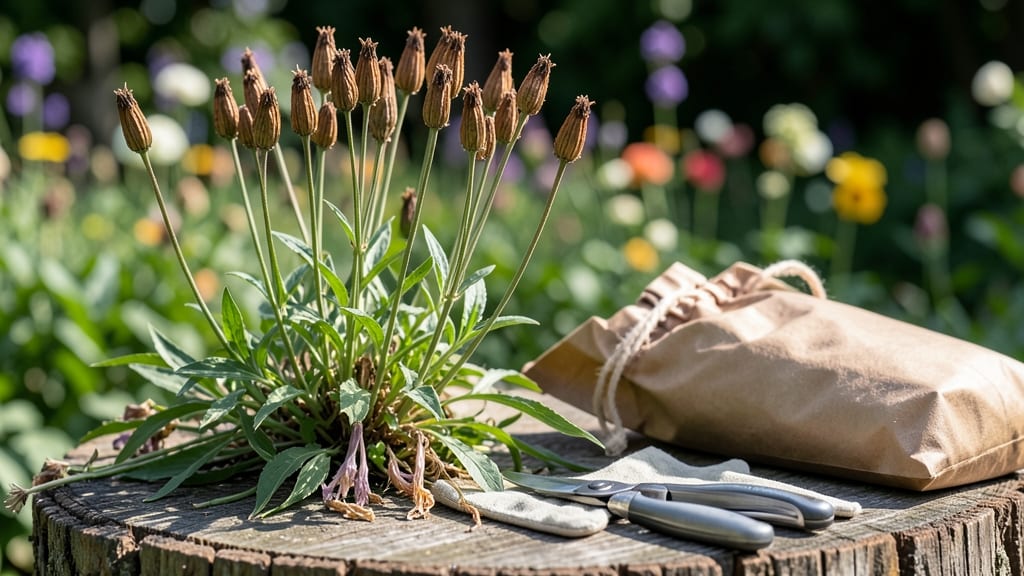
Harvesting verbena seeds at the right time ensures stronger, more vibrant plants next season—so timing is everything.
Verbena flowers aren’t just beautiful—they’re powerhouses for next year’s garden, but only if you harvest their seeds at the perfect time. Miss the window, and you’ll lose out on plants that thrive effortlessly.
Knowing when to collect those tiny seeds—late summer to early fall—is the key to avoiding wasted effort. The moment the seed pods turn brown and dry, that’s your cue to act before humidity or pests ruin your harvest.
In this guide, I’ll walk you through the exact steps to harvest, dry, and store verbena seeds for maximum viability, plus common mistakes that could ruin your seeds before they even sprout.
When to harvest verbena seeds: the exact timeline for optimal collection
Timing is everything when harvesting verbena seeds, and missing this window means sacrificing next year’s vibrant blooms. Most verbena varieties—like Verbena bonariensis or Verbena officinalis—produce seeds in late summer to early fall, but the exact moment depends on your USDA hardiness zone and local climate.
In warm climates (Zones 8-11), seed pods mature as early as late July, while cooler regions (Zones 3-7) may wait until September.
Look for these key maturity cues to avoid harvesting too soon: seed pods turn from green to brown or tan, and the flower stems begin drying out. The leaves may also yellow slightly, signaling the plant is redirecting energy to seed production.
If you wait too long, the pods may split open, scattering seeds prematurely—so act quickly once these signs appear!
Here’s a quick reference for your verbena seed harvest timeline, tailored to your region:
| Stage | Key Signs | Action | Best Time |
|---|---|---|---|
| Early Maturity | Seed pods turn light brown; stems slightly crisp | Monitor daily for full maturity | Late July (Zones 8-11) |
| Peak Maturity | Pods fully brown; leaves yellowing | Harvest pods immediately | August (Zones 5-7) |
| Late Maturity | Pods split open; seeds scatter | Collect remaining seeds ASAP | September (Zones 3-4) |
| Post-Frost | Plants die back; pods may shatter | Check for leftover seeds in debris | October (All Zones) |
For annual verbena, like Verbena hybrida, focus on harvesting in August when most flowers have faded and seed pods form. Perennial varieties, such as Verbena canadensis, may produce seeds later—sometimes as late as early October—so don’t assume all verbena follows the same schedule.
Always prioritize dry, crisp pods over fresh, green ones for the highest germination rates.
If you’re in a cool climate (Zones 3-5), extend your harvest window by 2-3 weeks later than the table suggests. Frost-sensitive verbena may struggle to mature seeds fully in short summers, so consider hand-pollinating flowers in late July to encourage seed set.
Use a small paintbrush to transfer pollen between blooms on dry, sunny days—this trick can boost your seed yield significantly!
Pro tip: Harvest in the morning after dew has dried but before the heat of the day sets in. This reduces humidity stress on the pods, keeping seeds viable longer.
Store harvested pods in a paper bag (not plastic) in a cool, dry place for 1-2 weeks to finish drying before processing. Humidity is the enemy of seed storage—moisture causes mold, which ruins germination.
Regional adjustments matter! In desert climates (Zones 9-11), verbena may mature seeds earlier due to intense heat, while Pacific Northwest gardens (Zones 7-8) often see delayed maturity because of cooler, wetter summers.
Pay attention to your local first frost date—if frost is predicted within 4-6 weeks, prioritize harvesting even if pods aren’t fully brown yet.
One common mistake? Waiting until all pods are brown before harvesting. By then, many seeds have already scattered or been eaten by birds. Instead, harvest pods when 70-80% are brown—this gives you the best balance of seed maturity and viability.
For Verbena bonariensis, which grows tall, use pruning shears to snip entire stems with seed pods still attached, then dry them indoors.
Remember: Seed viability drops sharply after 6 months of storage, so label your seed packets with the harvest date and prioritize planting them within 12 months. With the right timing, your verbena seeds will yield hardier, more colorful plants next season—worth the effort for any gardener!
Step-by-step verbena seed harvesting method for maximum viability
Harvesting verbena seeds at the right moment ensures high germination rates and healthy plants for next season. The key lies in timing, gentle handling, and proper drying—all of which I’ll walk you through in detail. Skipping these steps can lead to moldy seeds or poor viability, so let’s get started.
First, identify mature seed pods on your verbena plants. These appear as small, dry capsules that turn from green to brown. Once they’re fully dried on the plant, they’ll release seeds easily when touched. This usually happens in late summer to early fall, depending on your climate.
How to Harvest Verbena Seeds
-
Step 1: Choose Dry Pods
Wait until seed pods turn brown and crisp. Gently squeeze one—if seeds spill out, it’s ready. -
Step 2: Remove Pods Carefully
Use clean pruning shears or fingers to snip pods. Avoid damaging stems to encourage more blooms. -
Step 3: Shake Out Seeds
Place pods in a paper bag and shake gently. Discard empty pods—only keep bags with seeds inside. -
Step 4: Dry Seeds Fully
Spread seeds on paper towels in a dry, well-ventilated area for 1-2 weeks. Avoid direct sunlight. -
Step 5: Store Properly
Transfer dried seeds to paper envelopes (not plastic) and label with the harvest date. Store in a cool, dark place.
After harvesting, humidity control is critical. Store seeds in paper bags (not airtight containers) to prevent mold. Airtight containers trap moisture, which can ruin seeds within weeks. Label each bag with the harvest year—verbena seeds stay viable for about 2 years.
For maximum germination, test a few seeds before storing the rest. Place them on damp paper towels in a sealed bag and check for sprouts in 7-14 days. If germination is low, consider re-drying seeds for another week before storing.
Remember, patience is key. Rushing the drying process or skipping storage steps can drastically reduce seed viability. With these methods, you’ll have vibrant verbena plants blooming again next season—effortlessly!