
Vegetables
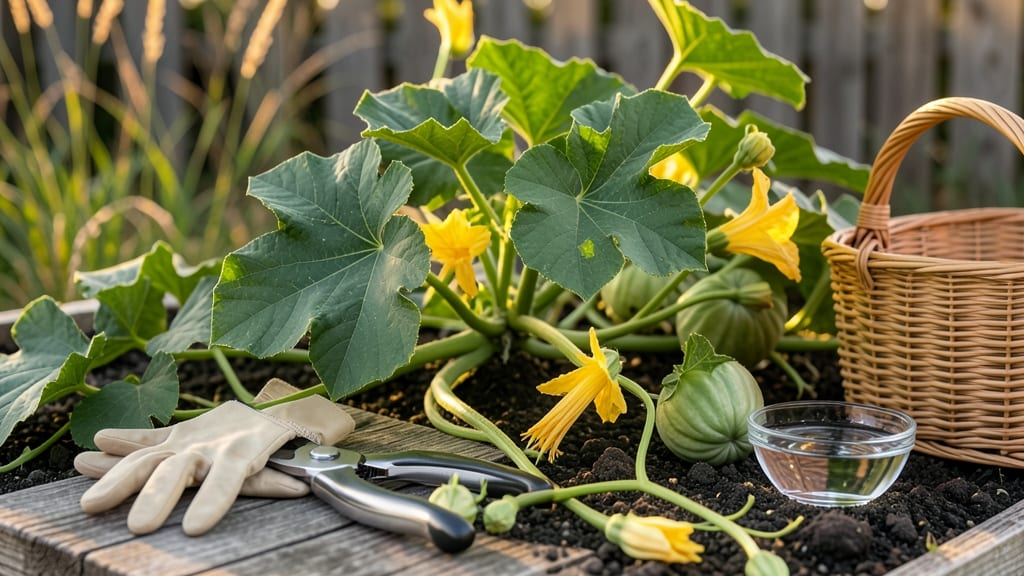
Harvesting squash blossoms at the right moment unlocks their delicate, floral flavor before they turn into fruit 🎃—and timing is everything.
Picture this: you’re about to enjoy a garden-fresh squash blossom stuffed with cheese or fried in a crispy tempura, only to realize it’s already tough and bitter. That’s what happens when you miss the narrow window for harvesting—usually morning, when the flowers are freshest and most tender.
Most gardeners don’t realize that harvesting these edible blooms doesn’t hurt your squash plant—in fact, it can boost fruit production by reducing competition.
But there’s a catch: pluck them too early or too late, and you’ll end up with bland, rubbery flowers instead of the delicate delicacies they’re meant to be.
In this guide, I’ll show you exactly when to harvest squash blossoms for peak flavor, how to pick them without damaging the vine, and what to do with them once they’re in your kitchen—plus a few common mistakes that’ll save you from wasted blooms.
When to harvest squash blossoms for maximum flavor and tenderness
Harvesting squash blossoms at the right moment transforms them from delicate, mildly sweet edibles into bitter, tough remnants. The window for peak flavor is narrow—just 24-48 hours after they fully open—and timing matters more than most gardeners realize.
I’ve learned the hard way that waiting too long means losing that tender, almost nutty taste that makes these blossoms worth harvesting.
Morning is the best time to harvest because dew hasn’t settled, and the blossoms are crispest. Avoid evenings when humidity rises, as this can make them mushy and less flavorful. Even a few extra hours can turn that perfect zucchini blossom into a chewy, less appealing flower.
The key? Watch for fully opened blooms with bright, vibrant petals—not wilted or fading ones.
Here’s the critical rule: Harvest when the blossom’s center is fully exposed but before it starts wilting.
For zucchini blossoms, this happens 1-2 days after opening, while butternut squash flowers may take 2-3 days to reach their prime. Acorn squash blossoms follow a similar pattern but tend to be slightly more delicate, so act faster.
| Squash Variety | Ideal Harvest Stage | Best Time of Day | Visual Cues | Flavor Impact |
|---|---|---|---|---|
| Zucchini | 1-2 days after full bloom | Morning (6-9 AM) | Bright yellow petals, fully opened center | Mild, slightly sweet, tender |
| Butternut | 2-3 days after full bloom | Morning (7-10 AM) | Deep yellow-orange, slight curl at edges | Rich, nutty, slightly earthy |
| Acorn | 1-2 days after full bloom | Morning (6-8 AM) | Light green-yellow, delicate petals | Delicate, floral, crisp texture |
| Pumpkin | 2 days after full bloom | Morning (7-9 AM) | Vibrant orange, sturdy stem | Sweet, robust, slightly bitter edge |
The color of the blossom is your best friend. A zucchini blossom should be a bright, uniform yellow, while butternut blossoms lean toward golden-orange hues. If you see brown edges or wilting, it’s past its prime.
I once missed the window on a batch of acorn squash blossoms because I thought they’d last longer—big mistake! They turned leathery and bitter within hours.
Harvesting too early ruins the flavor because the stamens and pistil haven’t fully developed their delicate sweetness. Wait until the center is fully open, and you’ll get that perfect balance of tenderness and mild sweetness.
For zucchini, this means the male blossoms (with long stems) are ideal for frying, while female blossoms (with tiny squash forming at the base) are better for stuffing.
Overlooking the morning harvest rule can cost you big time. Dew makes blossoms waterlogged and limp, and evening harvests often mean softer petals that bruise easily. I once picked a batch at noon and ended up with mushy blossoms that were nearly inedible.
Stick to the cool morning hours for the crispest, most flavorful results.
Did you know harvesting blossoms encourages more fruit production? Squash plants produce more flowers when you remove the spent blossoms, leading to bigger yields later in the season.
It’s a win-win: you get fresh blossoms now and more squash later. Just be sure to leave a few blossoms on each vine to ensure fruit development.
If you’re unsure whether a blossom is ready, do the petal test: Gently press a petal. If it springs back, it’s fresh and tender. If it stays crushed, it’s past its prime.
This simple trick saves me from harvesting overripe or underripe blossoms every season. Pair it with the morning harvest rule, and you’ll never miss the window again.
One final tip: Zucchini blossoms are the most forgiving—they stay tender slightly longer than other varieties. But acorn squash blossoms are the most delicate, so harvest them within 24 hours of full bloom.
Plan your meals around your garden’s bloom cycles, and you’ll always have fresh, flavorful blossoms ready to use.
Step-by-step guide: how to harvest squash blossoms without damaging the plant
Harvesting squash blossoms the right way ensures you get tender, flavorful flowers while keeping your plant healthy and productive. The key is using the correct technique—whether you twist or snip—and timing it right to avoid stressing the vine.
I’ve learned from experience that even a small mistake can lead to wasted blooms or a struggling plant, so let’s dive into the best methods.
Before you start, gather your tools: a pair of clean, sharp pruning shears or scissors, a small bowl for collecting blossoms, and a spray bottle with water to keep them fresh. The goal is to remove the blossoms cleanly, leaving the stem intact so the plant can continue producing fruit.
Most gardeners make the mistake of pulling too hard or cutting too close to the vine, which can damage the plant’s energy flow.
How to Harvest Squash Blossoms
- 🌱 Choose the right blossom: Pick fully open flowers with vibrant petals (usually male flowers, which have a long stem and no bulb at the base).
- ✂️ Use clean tools: Snip the stem about 1 inch below the blossom using sharp scissors or pruners to avoid tearing the vine.
- 💧 Harvest in the morning: Flowers are freshest and most tender after a cool night, so aim for 6-9 AM for peak flavor.
- 🌿 Store properly: Place blossoms in a bowl of cold water or wrap them in a damp paper towel to keep them crisp for up to 3 days in the fridge.
- 🔄 Revive the plant: After harvesting, give the vine a light fertilizer boost (like compost tea) to encourage new growth.
One common mistake is harvesting too many blossoms at once, which can stress the plant and reduce fruit production. Aim to pick no more than 2-3 blossoms per vine in a single session, especially if you’re growing varieties like zucchini or butternut squash.
If you notice the plant wilting or slowing down after harvest, it might need extra water and a balanced fertilizer to recover.
If you accidentally damage the vine while harvesting, don’t panic—squash plants are resilient. Simply trim any jagged edges with clean scissors and monitor the plant for signs of stress, like yellowing leaves or wilting.
A quick watering session in the early morning can help revive it, and within a few days, the vine should bounce back with new blossoms ready for harvest.
Pro tip: If you’re growing squash for both blossoms and fruit, focus on harvesting male flowers first (they’re easier to spot and don’t affect fruit production). Female flowers have a tiny squash at their base and should be left on the vine if you want a bountiful harvest.
This simple trick ensures you get the best of both worlds—flavorful blossoms and plump fruit!
Once you’ve mastered the harvest, you’ll be rewarded with tender, delicate blossoms perfect for stuffing, frying, or adding to salads. And the best part? Your squash plant will thank you by producing even more fruit. Happy harvesting! 🌻