
Picking
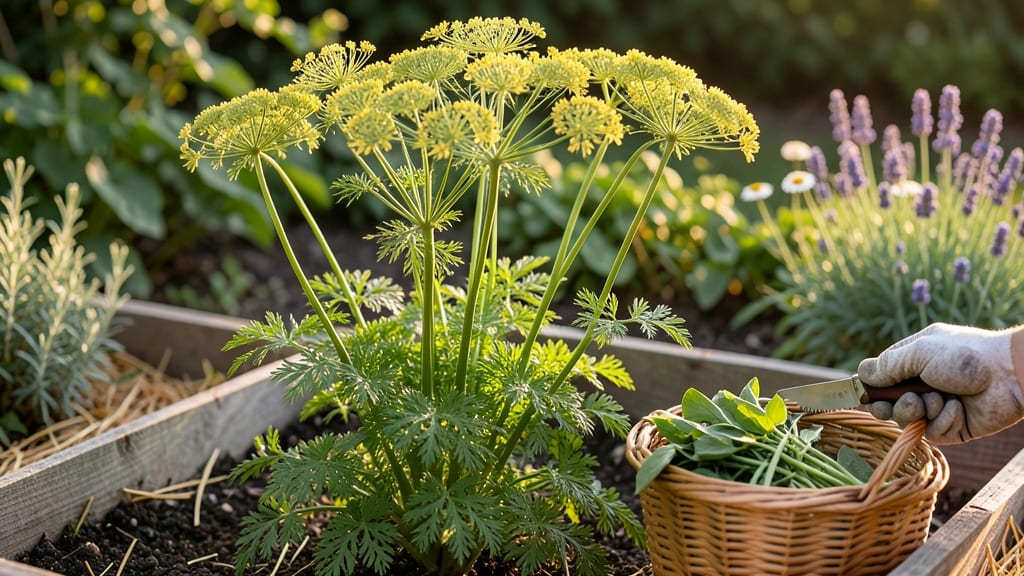
The best dill harvest time arrives when leaves are fragrant and flowers begin to form 🌿 — timing this window is the secret to bold flavor and a plant that keeps producing.
Picture this: You’ve been snipping dill for weeks, but the leaves taste milder with each cut. That’s your plant signaling it’s ready for a bigger harvest—just before the flowers fully open. Miss this cue, and you’ll either end up with bitter stems or a plant that bolts too soon.
Harvesting at the right stage isn’t just about flavor—it’s about giving your dill the best shot at regrowth. A few simple visual checks (leaf size, stem firmness, and that unmistakable aroma) tell you exactly when to reach for those shears.
Below, I’ll walk you through the three key stages for harvesting dill, how to do it without stunting your plant, and the one mistake that kills future harvests—plus how to store your bounty so it stays fresh for weeks.

When to harvest dill leaves for peak flavor: 3 critical stages
Timing your dill harvest correctly means the difference between mild, flavorless leaves and bold, aromatic foliage that elevates your dishes. Most gardeners assume "bigger leaves = better," but dill flavor peaks at specific growth stages. Understanding these 3 critical harvest stages will help you maximize both taste and plant productivity.
The key is balancing leaf maturity with regrowth potential. Harvest too early, and you’ll get delicate but underwhelming flavor; too late, and your plant may bolt or produce bitter leaves.
Let’s break down when—and how—to harvest for that perfect anise-like flavor that makes dill so beloved in soups, salads, and pickling.
🌿 Visual cues are your best guide: leaf size, color intensity, and branching patterns all signal readiness. For example, early-stage leaves are tender but lack depth, while late-stage leaves can become tough and overly pungent. The mid-season harvest often delivers the sweet spot for both flavor and plant health.
| Stage | Leaf Characteristics | Flavor Profile | Regrowth Potential | Best For |
|---|---|---|---|---|
| Early Season (4-6 weeks) | Small, 2-4" leaves; light green; sparse branching | Mild, grassy, subtle anise notes | High (encourages bushier growth) | Salads, garnishes, microgreens |
| Mid Season (6-8 weeks) | Medium, 4-8" leaves; deep green; dense branching | Balanced, bold anise, slightly sweet | Moderate (prune to maintain vigor) | Cooking, pickling, soups, sauces |
| Late Season (8-10 weeks) | Large, 8-12" leaves; darker green; flowering stems | Strong, slightly bitter, robust anise | Low (plant may bolt; focus on seeds) | Seed harvesting, late-season cooking |
The early-season harvest (4-6 weeks after planting) yields tender, grassy leaves perfect for salads or garnishes. These leaves are 2-4 inches long with a delicate texture, but their flavor is subtle—think mild anise with a hint of freshness.
This stage is ideal for encouraging bushier regrowth, so don’t hesitate to pinch back outer leaves to stimulate new growth.
My go-to mid-season harvest occurs around 6-8 weeks, when leaves reach 4-8 inches and develop a deeper green hue. This is where dill flavor truly shines—bold anise notes with a touch of sweetness.
The plant’s branching is dense, and stems are firm, making it perfect for cooking, pickling, or drying. Regular harvesting at this stage keeps your plant productive for weeks.
If you miss the mid-season window, don’t despair—the late-season harvest (8-10 weeks) still delivers flavor, though the leaves may be larger (8-12 inches) and slightly bitter. At this point, your dill may start flowering, signaling it’s transitioning to seed production.
While the leaves are robust, their regrowth potential drops significantly, so focus on harvesting seeds if you want to save them for next year.
Pro tip: Harvest in the morning after dew has dried but before the heat of the day. This ensures your leaves retain maximum aromatic oils and moisture.
Use clean, sharp pruning shears or scissors to snip stems just above a leaf node—this encourages new growth from that point while keeping the plant healthy.
For continuous harvests, aim to pick outer leaves first, leaving the inner growth intact. This method mimics natural pruning and keeps your dill producing fresh leaves for 6-8 weeks.
If you notice flower buds forming, decide whether to harvest leaves immediately or let the plant go to seed—both are edible, but flavor priorities shift at this stage.
How to harvest dill without killing the plant: step-by-step techniques
Harvesting dill the right way ensures your plant stays healthy and keeps producing for weeks. The key is using the right tools and cutting techniques that encourage regrowth instead of stressing the plant.
I’ve learned that a few simple steps make all the difference between a thriving dill patch and one that bolts too soon.
Start by grabbing a pair of sharp pruning shears or clean scissors—never pull leaves by hand, as this damages stems and invites pests. The goal is to cut just above a leaf node, where new growth will sprout. This method keeps your dill bushy and encourages more leaves to form.
Timing matters too. Harvest in the morning after dew dries to avoid fungal issues. The plant’s natural sugars are highest then, making the flavor more potent. Avoid harvesting after rain or late in the day, when moisture lingers and can lead to rot.
Step-by-Step Dill Harvest Guide
- Step 1: Identify mature leaves (6+ inches long) with a strong aroma. These are ready for harvest.
- Step 2: Use clean shears to cut stems at a 45-degree angle, 1-2 inches above a leaf node.
- Step 3: Harvest outer leaves first to protect the plant’s center from sunburn.
- Step 4: Pinch off flower buds if you want leaf production to continue. Flowers signal the plant to focus on seeds.
- Step 5: Harvest every 2-3 weeks during peak growing season (June-August) for continuous regrowth.
For continuous harvests, adjust your frequency based on the season. In early summer, dill grows quickly, so you can harvest every 2 weeks. As temperatures rise in late summer, slow down to every 3-4 weeks to avoid stressing the plant.
Always leave at least half the leaves intact to keep the plant photosynthesizing.
If you’re harvesting for seeds instead of leaves, wait until the flowers turn brown and dry. Cut the entire seed head and hang it upside down in a paper bag. This preserves the seeds for next year’s planting while letting the plant focus on seed production rather than leaf growth.
After harvesting, rinse the leaves gently under cool water and pat dry with a paper towel. Store them in the fridge wrapped in a damp paper towel for up to a week, or dry them for long-term use.
A little care now means more dill for your dishes all season long!