
Vegetables
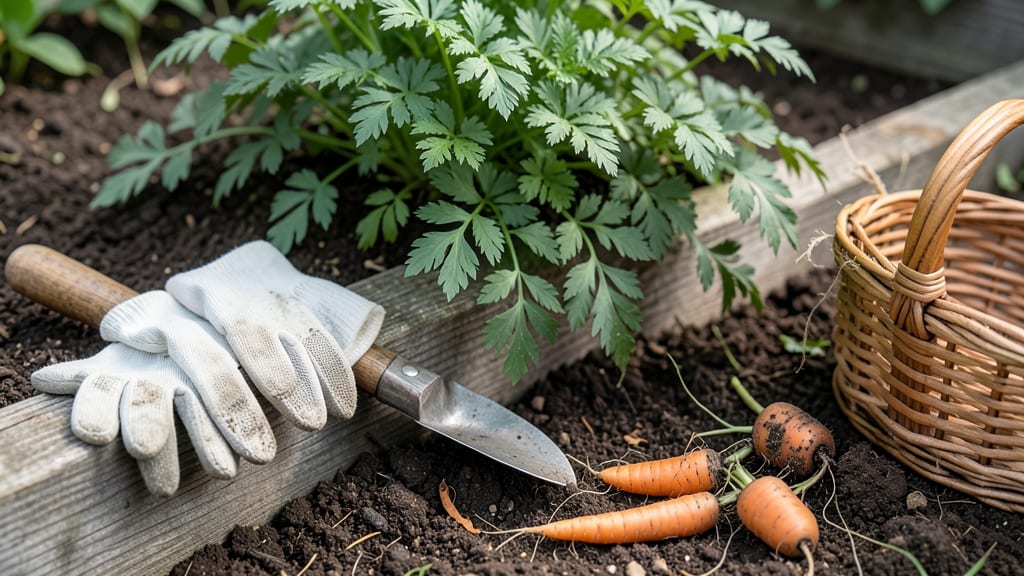
Timing your carrot harvest right is the difference between sweet, crisp roots and tough, woody disappointments—so don’t pull them too early or too late.
Wondering why your carrots turn woody instead of sweet? The secret lies in mastering the perfect harvest window—and checking your soil before pulling them from the ground.
For spring-planted carrots in Zone 6a, aim for June–July when roots reach 1–1.5 inches in diameter and foliage is lush but not leggy. Fall-planted varieties, sown in July–August, should be ready by October–November.
Below, I’ll show you how to read the soil, spot the ideal maturity cues, and avoid the three biggest mistakes that turn your harvest into a gamble.

How to determine the perfect carrot harvest time by soil and plant signals
Timing your carrot harvest correctly transforms woody, bitter roots into sweet, crisp treasures. The key lies in reading soil conditions and plant signals—both before and during the growing season.
I’ve learned that ignoring these cues often leads to disappointing harvests, but mastering them guarantees restaurant-quality carrots right from your garden.
Carrots typically reach harvest readiness between 60-80 days after sowing, but this window shifts based on your climate zone and variety type. For example, quick-maturing varieties like 'Paris Market' can be ready in 50 days, while heirloom types like 'Danvers' may need 80 days.
Understanding these differences helps you avoid pulling carrots too early or leaving them in the ground too long.
Your first clue comes from the soil texture. Loose, crumbly soil allows roots to grow straight and uniform, while compacted or rocky soil forces them to twist or split.
Before planting, I always test my soil by pressing a handful—if it doesn’t easily break apart, I add compost or sand to improve drainage. This simple step prevents the woody texture that ruins flavor.
Now, let’s talk about the plant signals that scream "harvest me!" First, check the foliage height. When tops reach 3-4 inches tall and form a bushy rosette, the roots below are usually ready.
Second, gently brush away soil near the base—if you see roots 1-1.5 inches in diameter with smooth, firm skin, it’s time to harvest. Ignoring these signs often leads to overgrown, tough carrots.
| Harvest Signal | Ideal Timeframe | Action |
|---|---|---|
| Root Diameter | 1-1.5 inches | Gently tug to test resistance |
| Foliage Height | 3-4 inches tall | Harvest before tops flower |
| Skin Texture | Smooth and firm | Avoid harvesting if skin is rough |
| Soil Resistance | Pulls easily with gentle tug | If stuck, wait 1-2 more days |
| Days After Sowing | 50-80 days (varies by variety) | Check seed packet for exact timeline |
One of my biggest mistakes was harvesting carrots based solely on days after planting, without checking the roots. This often led to underdeveloped or woody carrots. To avoid this, I now use a simple soil probe test: stick a thin stick into the soil near the plant.
If the carrot tip is visible and 1 inch long, it’s ready. This method works even in deep soil where roots aren’t visible.
Regional differences also play a huge role. In cooler climates like Zone 5, spring-planted carrots may be ready by early July, while in warmer zones like Zone 9, fall plantings can extend harvests until November.
Always adjust your timeline based on your last frost date—carrots need 60-80 frost-free days to mature properly.
Don’t overlook the weather forecast either. If a heatwave is coming, harvest sooner—carrots left in hot, dry soil develop tough, woody textures. Similarly, avoid harvesting after heavy rain, as wet soil makes roots muddy and difficult to clean.
I’ve found that morning harvests yield the best results, as the soil is moist but not saturated.
For continuous harvests, I plant carrots in succession every 2 weeks during the growing season. This ensures a steady supply of fresh carrots and reduces the risk of overcrowding, which stunts root growth.
When pulling, always use a fork or hands—never a shovel—to avoid damaging nearby roots. A sharp tug usually does the trick, but if a carrot resists, it’s not ready yet.
Finally, store your freshly harvested carrots properly to maintain their sweetness and crunch. Keep them in cool, humid conditions (like a root cellar) and avoid cutting them until ready to use.
If you notice any woody texture after harvest, soak them in ice water for 30 minutes to revive crispness. With these tips, you’ll go from frustrated gardener to carrot harvest pro in no time!
Soil check tricks to prevent woody carrots before harvesting
Woody carrots happen when roots grow under stress—usually from compacted soil or nutrient imbalances. Before pulling, test your soil to ensure your carrots stay sweet and crisp. Start by checking the soil pH, which should sit between 6.0 and 7.0 for optimal carrot growth.
Use a simple pH test kit or vinegar/baking soda test to gauge acidity. If your soil is too acidic (below 6.0), add lime to raise the pH. For alkaline soil (above 7.0), mix in sulfur or peat moss to lower it. Small adjustments now prevent tough roots later.
Next, assess soil compaction by pressing your finger into the top 6 inches of soil. If it feels hard or resists penetration, your carrots will struggle to grow straight and smooth. Break up compacted areas with a garden fork or mix in compost to loosen the soil.
⚠️ Warning: Harvest Too Late = Woody Roots
Carrots left in the ground past their 70–85 day window develop thicker, fibrous roots. Check for these red flags before pulling:
- Tops turn yellow or wilt (sign of maturity loss)
- Roots feel hard when pressed (woody texture)
- Skin cracks or splits (over-matured)
Action: Harvest immediately if you spot these signs!
Test for nitrogen levels by observing foliage color. Dark green leaves indicate sufficient nitrogen, while pale yellow leaves signal a deficiency. Add aged compost or a balanced fertilizer (like 5-10-10) if needed, but avoid over-fertilizing, which can lead to forked or hairy roots.
Finally, check for rocky or clumpy soil, which forces carrots to grow unevenly. Sift out debris and mix in sand or coconut coir to improve texture. Well-aerated soil ensures straight, tender roots ready for harvest.
By addressing these soil factors before harvest, you’ll avoid the disappointment of woody, tough carrots and enjoy sweet, crisp roots at their peak. Happy digging!