
Vegetables
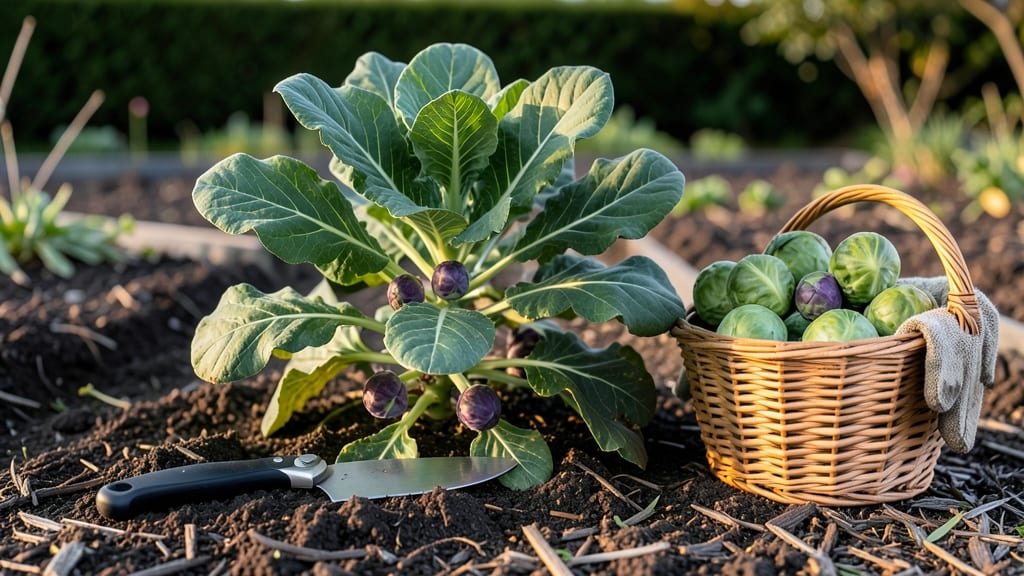
Harvesting Brussels sprouts at the right time 🥦 turns a handful of tiny buds into a bounty of crisp, flavorful gems—if you time it perfectly between maturity and frost.
Picture this: you’ve waited months for those dark green clusters to form, only to find them bitter or woody because you picked too late—or worse, frozen solid after a surprise frost.
The difference between a stellar harvest and a sad pile of sprouts comes down to knowing exactly when to snip, and it’s easier than you think.
Below, I’ll walk you through the tactile tests that tell you when buds are ready—firmness, size, and even how they smell—plus how to adjust for your region’s first frost date. No more guessing, just crisp, sweet sprouts that taste like fall in every bite.
Ready to learn the secrets to a foolproof harvest? Let’s dive into the ideal window, what happens if you wait too long, and how to store your crop for weeks of meals ahead.

When to harvest Brussels sprouts: key tactile tests before frost
Brussels sprouts thrive in cool weather, and their harvest window is one of the most critical phases of growing them. Unlike many vegetables, these little cabbages actually sweeten when exposed to light frost, but timing matters—pick too early, and they're underdeveloped; too late, and they become woody or bolt.
The secret lies in tactile cues that tell you exactly when to harvest for peak flavor and texture.
Start by checking the bud size—ideal sprouts are about 1 to 2 inches in diameter. At this stage, they’re firm to the touch but still tender enough to eat raw or lightly cooked. If you wait too long, the buds will swell beyond this size, turning tough and bitter.
The color shift from light green to deep green (or purple, depending on the variety) is another key indicator.
| Harvest Cue | Description | Action |
|---|---|---|
| Bud Size | 1–2 inches in diameter | Harvest now for optimal texture |
| Color | Deep green or purple | Wait if still light green |
| Stem Flex | Bends or snaps easily | Ready to harvest; avoid woody stems |
| Leaf Wrapping | Lower leaves yellowing | Harvest from bottom up |
One of the most reliable tactile tests is the stem bend test. Gently grasp a bud and bend the stem slightly—if it snaps cleanly or bends without resistance, it’s ready. This indicates the cell structure has matured enough for harvest.
Overmature sprouts will feel woody and won’t bend at all. Always harvest from the bottom up to encourage new buds to form higher on the stem.
Frost plays a unique role in Brussels sprouts flavor. A light frost (28–32°F) actually converts starches to sugars, enhancing sweetness. However, a hard freeze (below 28°F) can damage the plants permanently. If frost is forecast, harvest all mature buds before the freeze and store them properly to enjoy that sweetened flavor later.
Regional differences matter, too. In USDA zones 3–5, where winters are colder, Brussels sprouts are often planted in late summer for a fall harvest before the first hard frost.
In warmer zones (6–10), you can extend the season by planting in early spring or late winter, harvesting through December or even January in mild climates.
To avoid overmature sprouts, check your plants weekly once buds reach pea size. Use a sharp knife or pruners to cut buds about 1 inch above the next bud down.
This minimizes damage to the plant and encourages continuous production. If you miss the window, you can still harvest larger sprouts, but they’ll be tougher and less flavorful.
After harvesting, store Brussels sprouts in the crisper drawer of your fridge for up to 1 week. For longer storage, blanch and freeze them to preserve texture and nutrients.
If you’ve picked after a light frost, their flavor will improve over 24–48 hours of refrigeration as sugars develop further.
Pro tip: If your plants are still producing new buds but the weather is turning cold, consider covering them with frost cloth to buy a few extra weeks of harvest.
This simple trick can extend your season by 2–3 weeks, giving you more time to enjoy homegrown Brussels sprouts at their peak.
Remember, the earlier you start harvesting, the more buds your plant will produce. By mastering these tactile tests and understanding the role of frost, you’ll transform your Brussels sprouts from bitter disappointments to sweet, crisp delights.
Brussel sprouts harvest time by variety: frost tolerance and regional adjustments
Not all Brussels sprouts varieties play by the same rules when it comes to frost. Some bold varieties like 'Long Island Improved' actually sweeten in cold weather, while others, like 'Ruby Ball', can turn mushy if left too long in the chill.
Knowing your variety’s frost tolerance lets you extend your harvest window by weeks—even in USDA zones 3–10. Below, I’ve broken down how each type responds to cold and when to pick for peak flavor.
Your region’s first frost date is the ultimate deadline, but it’s not the only factor. For example, in Zone 5 (50–60°F winters), you might harvest 'Jade Cross' sprouts until mid-November, while in Zone 9 (30–40°F winters), 'Tasty Purple' can wait until December.
The key is matching your variety to your climate’s frost-free days and adjusting your harvest schedule accordingly.
If you’re in a warmer zone (8–10), you might need to plant a second crop in late summer to align with cooler weather. For example, in Zone 10 (mild winters), 'Ruby Ball' can produce two harvests: one in September and another in December after a light frost.
Meanwhile, in colder zones (3–5), focus on early-maturing varieties like 'Jade Cross' to beat the first frost entirely.
Pro tip: Use row covers or cold frames to protect tender varieties like 'Red Ruby' in zones 6–7. This can extend your harvest by 2–3 weeks without risking frost damage. Just remove covers during the day to prevent overheating and pest buildup.
For southern gardeners (zones 8–10), the real challenge isn’t frost—it’s heat stress. If temperatures climb above 85°F, buds may bolt or turn bitter. In this case, opt for shade cloth during peak afternoons and prioritize evening harvests when temps drop.
No matter your zone, always check buds for readiness before frost hits. A quick tactile test—squeezing a bud to feel for firmness—will tell you if it’s time to harvest, even if the calendar says otherwise. 🥦