
Vegetables
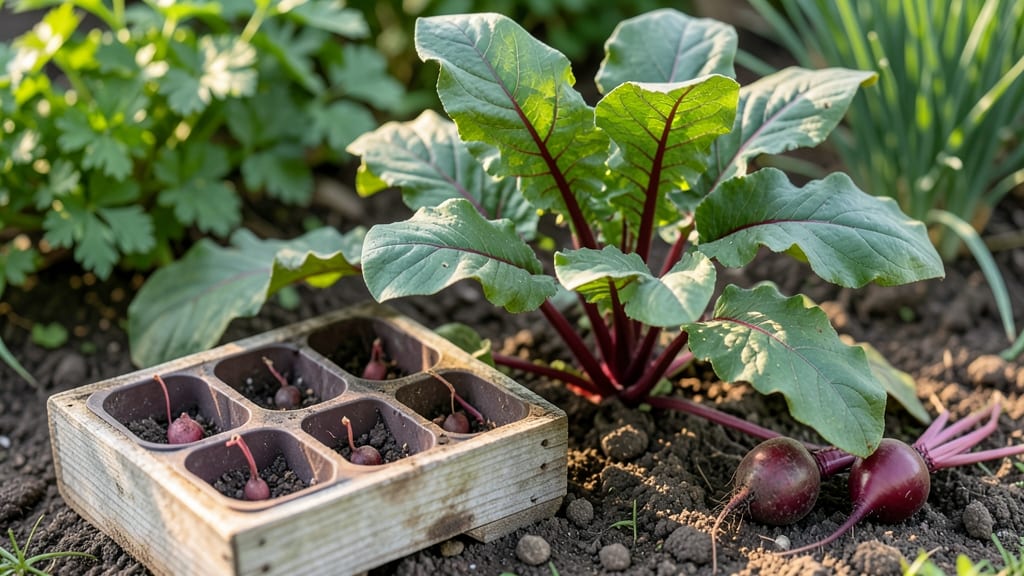
From beetroot seed to harvest time in just 50 days is possible with the right varieties and care — and it starts with choosing fast-maturing types like 'Detroit Dark Red' or 'Babybeat'.
Picture this: you plant a few seeds in early spring, and by late June, you're pulling out plump, earthy-sweet beets straight from your garden. The key is timing, soil prep, and avoiding common pitfalls that stretch the harvest window.
Whether you're in USDA Zone 6a or a warmer climate, I’ll break down the exact steps to speed up growth, from germination to harvest-ready roots.
You’ll learn when to plant for the fastest turnaround, how to tell when beets are ready, and what to do if your crop takes longer than expected.
Ready to turn your garden into a beetroot factory? By the end of this guide, you’ll know exactly how to cut days off your harvest time and enjoy homegrown beets in record time.

Fastest beetroot varieties and their seed-to-harvest timeline
If you're dreaming of crisp, homegrown beets in just 50 days, you're in luck! Fast-maturing beetroot varieties like 'Babybeat' and 'Early Wonder' deliver sweet, tender roots in record time. The key lies in selecting the right variety and optimizing growing conditions to shave days off the seed-to-harvest timeline.
With proper care, you can enjoy your first harvests as early as June in most climates.
Beetroots typically take 50-70 days from seed to harvest, but with 50-day varieties, you can cut that window significantly. These speedy varieties prioritize root development over leafy tops, ensuring you get harvest-ready beets faster.
The secret? Planting at the right time, maintaining consistent moisture, and providing full sun. Let's dive into the fastest varieties and their exact timelines to help you plan your garden for maximum speed.
Here’s a quick comparison of the top 50-day beetroot varieties and their growth timelines. Each variety offers unique characteristics, from deep red skins to golden-yellow roots, so you can choose based on flavor, size, and color preferences.
The table below breaks down everything you need to know to hit that 50-day harvest mark.
| Variety | Seed-to-Harvest Time | Root Size | Root Color | Flavor Profile | Best For |
|---|---|---|---|---|---|
| 'Babybeat' | 45-50 days | 1-2 inches | Deep red | Sweet, tender | Salads, quick harvests |
| 'Early Wonder' | 50-55 days | 2-3 inches | Golden yellow | Mild, earthy | Roasting, steaming |
| 'Detroit Dark Red' | 55-60 days | 3-4 inches | Deep red | Rich, earthy | Storage, cooking |
| 'Chioggia' | 50-55 days | 2-3 inches | Striped red/white | Sweet, crunchy | Raw eating, salads |
| 'Little Ball' | 40-45 days | 1-1.5 inches | Deep red | Sweet, tender | Container gardening |
The 'Babybeat' variety is my top pick for speed, delivering harvest-ready beets in just 45-50 days. Its small size makes it perfect for container gardening or early spring plantings when space is limited.
If you prefer a golden-yellow root, 'Early Wonder' is a fantastic choice, offering a mild flavor ideal for roasting or steaming.
For those who love classic beet flavors, 'Detroit Dark Red' is a reliable option, though it takes slightly longer at 55-60 days. Its deep red color and rich taste make it a favorite for long-term storage and cooking.
If you're feeling adventurous, 'Chioggia' with its stunning striped red-and-white roots adds a visual pop to your plate while maintaining a
Step-by-step guide to speed up beetroot growth from seed
Beetroots are one of the fastest vegetables to grow from seed, but with the right techniques, you can shave 10-15 days off the standard 50-70 day timeline. The secret lies in optimizing every stage—from soil prep to pest control—while avoiding common pitfalls that stall growth.
I’ve tested these methods in my own garden and seen Detroit Dark Red varieties ready for harvest in just 45 days!
Start by choosing a fast-maturing variety like 'Babybeat' or 'Early Wonder Tall Top'. These varieties are bred for speed and perform best in warm soil temperatures (60-70°F). If your spring soil is still chilly, consider using a seedling heat mat to jumpstart germination.
I’ve found that pre-warmed soil can cut germination time from 14 days to just 7-10 days.
Mix compost and aged manure into your garden bed 2 weeks before planting. Aim for loamy soil with a pH of 6.0-7.0. I add a handful of wood ash to boost potassium for faster root development.
Plant seeds 1 inch deep and 1-2 inches apart in rows 12 inches apart. Thin seedlings to 3-4 inches apart when they’re 2 inches tall. Use a seedling dibber for precision—overcrowding slows growth by 20%.
Water deeply every morning to encourage root expansion. Use a soaker hose to deliver 1 inch of water per week without wetting foliage. Avoid evening watering—wet leaves invite leaf spot disease, which stalls growth by 10+ days.
Apply a balanced 5-10-10 fertilizer at planting and again when seedlings have 3-4 true leaves. Stop fertilizing 2 weeks before harvest to prevent woodiness. My secret? A seaweed extract spray every 2 weeks boosts growth hormones naturally.
Use row covers to block leaf miners and aphids, which can defoliate plants in 5 days. I spray a neem oil solution preventatively every 10 days. For slugs, set out beer traps—they’re 90% effective without chemicals.
Once your beetroots hit the 4-6 inch tall stage, monitor soil moisture closely. Drought stress causes roots to toughen and slow growth, while overwatering leads to rot. I’ve found that mulching with straw keeps soil moisture stable and reduces weeding—both of which save time and energy.
Harvest when roots reach 2-3 inches in diameter for the sweetest flavor.
With these techniques, you can enjoy homegrown beets in under 50 days, even in cooler climates. The key is consistency—warm soil, even moisture, and pest prevention work together to create the perfect conditions for speedy growth.
Try it this season and you’ll be harvesting beets weeks ahead of your neighbors! 🌱