
How To
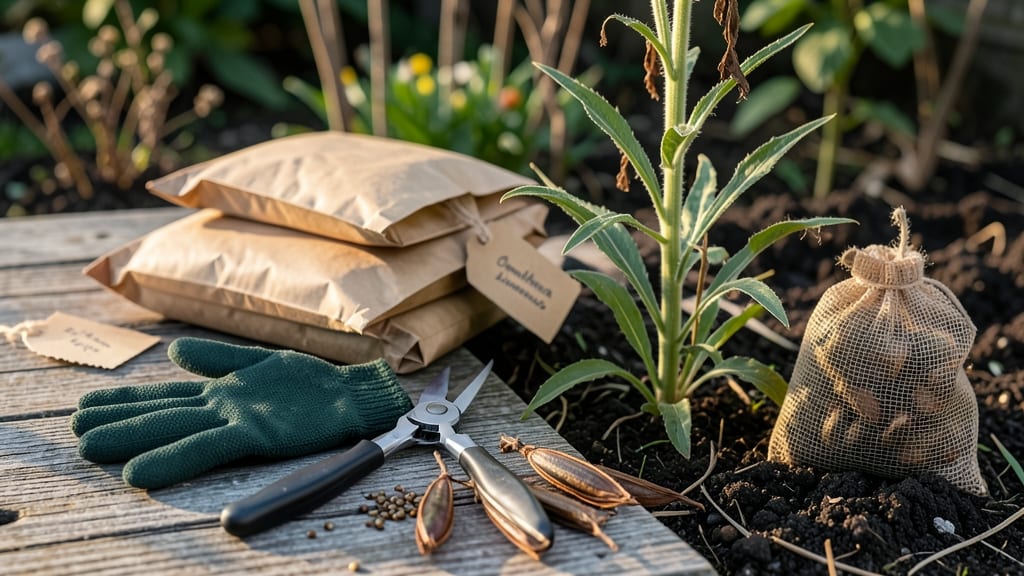
Harvesting evening primrose seeds 🌸 at the right stage ensures you capture the most viable seeds for next year’s garden—here’s exactly how to do it without wasting a single pod.
Picture this: you’ve spent months nurturing your evening primrose, only to rush out and harvest too soon, only to find the seeds inside are still green and useless. That’s a heartbreaking waste of effort, and it happens more often than you’d think.
Timing is everything with evening primrose seeds—wait too long, and the pods split open, scattering seeds everywhere. Harvest too early, and you’re left with seeds that won’t germinate.
The key is knowing when those pods turn from green to brown and begin to crack open naturally, signaling they’re ready for collection.
In this guide, I’ll walk you through the step-by-step process of identifying ripe seed pods, the best tools to use, and how to dry and store them properly for maximum germination success. By the end, you’ll never miss the perfect harvest window again.
When and how to identify perfectly ripe evening primrose seed pods
Timing is everything when harvesting evening primrose seeds. Picking too early means immature seeds that won’t germinate, while waiting too long risks losing them to natural dispersal. The key lies in watching for 3 critical signs of ripeness: color change, texture shift, and seasonal cues.
Evening primrose plants typically flower from mid-summer to early fall, producing vibrant yellow blossoms that close during the day. After flowering, the pods form—these are your seed collection targets. The transformation from flower to seed pod takes about 6-8 weeks, so patience is crucial.
Here’s the visual and tactile guide you need to spot perfectly ripe pods:
The perfectly ripe evening primrose pod is dry and papery, often with small cracks where seeds will eventually escape. Gently shake a pod over a paper bag—if seeds rattle loudly inside, it’s ready. Avoid harvesting when moisture levels are high, as damp pods can develop mold.
Seasonal timing matters too. In USDA Zone 6a, aim for late August to early September when nighttime temperatures drop below 60°F (15°C). This cooler weather signals the plant to mature seeds before winter dormancy. Miss this window, and your seeds may scatter naturally or lose viability.
Pro tip: Harvest in the morning after dew has evaporated but before midday heat dries pods too quickly. Use clean pruning shears to snip stems just above the pod, then lay pods on newspaper in a shady, dry location for 1-2 weeks to fully dry.
Never harvest pods that are still green or firm—these seeds won’t germinate. Also, avoid pods with visible mold or pest damage, as these compromise seed quality. If you’re unsure, split open a pod to check: seeds should be dark brown and hard, not soft or shriveled.
For maximum germination rates, collect seeds when 50-70% of pods on the plant show ripeness signs. This staggered approach ensures you capture the best-quality seeds while leaving some pods for natural dispersal (which can replenish your garden’s seed bank).
🌸
Step-by-step evening primrose seed harvesting process for high germination rates
Harvesting evening primrose seeds at the perfect moment ensures high germination rates and healthy new plants. The key lies in timing—wait until the seed pods turn brown and begin splitting naturally.
If you harvest too early, seeds won’t be viable, but if you wait too long, they’ll scatter on the wind. Let’s walk through the exact steps to maximize your seed yield.
Before you begin, gather your harvesting tools: a pair of clean pruning shears, a small bucket or paper bag, and a drying tray. Work on a dry, sunny day to prevent moisture from reducing seed viability.
Avoid harvesting after rain, as damp seeds are prone to mold. Timing is everything—aim for late summer to early fall, when pods are fully mature.
- Step 1: Identify ripe pods by their brown, papery texture and slight cracking. Avoid green or firm pods—they’re not ready!
- Step 2: Use pruning shears to cut pods from the stem, leaving a small portion attached. Place them in a paper bag to catch falling seeds.
- Step 3: Air-dry seeds for 1-2 weeks in a well-ventilated, dry area (like a mesh bag or tray). Avoid direct sunlight to prevent overheating.
- Step 4: Test seed viability by placing a few in a glass of water. Viable seeds sink; floaters are non-viable. Aim for 80%+ viability for best results.
- Step 5: Store seeds in a cool, dark place (like a sealed jar) for up to 2 years. Label with the harvest date for tracking.
For faster drying, you can also use paper towels: lay pods between layers of towels in a single layer, flipping them daily until completely dry. This method works well in humid climates but requires more monitoring.
Once dry, gently rub the pods between your fingers to release seeds—avoid crushing them, as this can damage the delicate seed coats.
Testing seed viability is a critical step before planting. Fill a glass with water and drop 10 seeds inside. After 15 minutes, count how many sink (viable) versus float (non-viable).
Aim for 80% or higher viability—if results are lower, try storing seeds longer or harvesting fresh pods next season. Viable seeds sink because they’re dense and full of nutrients.
Store your harvested seeds in a paper envelope or airtight container with a silica gel packet to absorb moisture. Keep them in a cool, dark pantry (ideal temp: 40-50°F) to prevent spoilage.
Label each container with the harvest year and plant variety. Proper storage ensures your seeds remain viable for 1-2 years, giving you plenty of time to plant them in future seasons.
With these steps, you’ll harvest high-quality evening primrose seeds ready for planting. Happy harvesting—your future garden will thank you! 🌱🌸